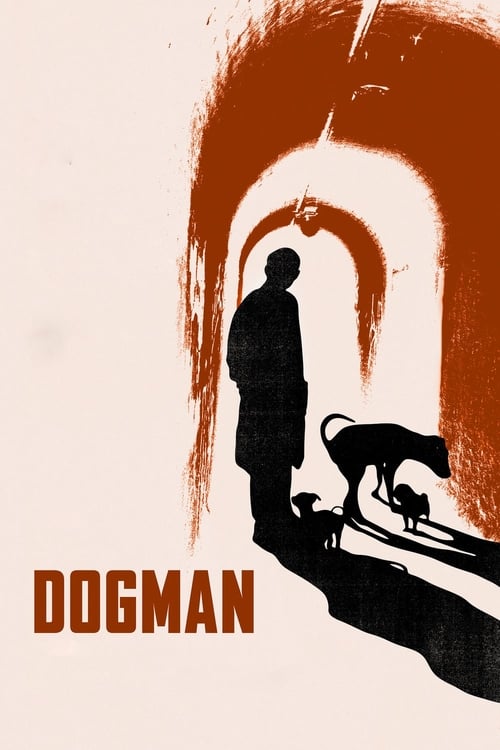
Dogman
Marcello, a small and gentle dog groomer, finds himself involved in a dangerous relationship of subjugation with Simone, a former violent boxer who terrorizes the entire neighborhood. In an effort to reaffirm his dignity, Marcello will submit to an unexpected act of vengeance.
The film earned $5.1M at the global box office.
Nominated for 1 BAFTA Award40 wins & 32 nominations


Plot Structure
Story beats plotted across runtime


Narrative Arc
Emotional journey through the story's key moments
Story Circle
Blueprint 15-beat structure
Arcplot Score Breakdown
Weighted: Precision (70%) + Arc (15%) + Theme (15%)
Dogman (2018) exemplifies precise narrative architecture, characteristic of Matteo Garrone's storytelling approach. This structural analysis examines how the film's 15-point plot structure maps to proven narrative frameworks across 1 hour and 43 minutes. With an Arcplot score of 7.2, the film balances conventional beats with creative variation.
Characters
Cast & narrative archetypes

Marcello
Simoncino
Alida
Main Cast & Characters
Marcello
Played by Marcello Fonte
A meek dog groomer who becomes increasingly entangled with a violent local thug, struggling between his gentle nature and the brutal world around him.
Simoncino
Played by Edoardo Pesce
A volatile, cocaine-addicted former boxer who terrorizes the neighborhood and manipulates Marcello into criminal activities.
Alida
Played by Alida Baldari Calabria
Marcello's estranged wife and mother of his daughter, representing the family life he struggles to maintain.
Structural Analysis
The Status Quo at 1 minutes (1% through the runtime) establishes Marcello gently grooms dogs in his small shop, showing his gentle nature and expertise. He lives a modest but peaceful life in a decaying seaside town, respected for his kindness with animals.. Structural examination shows that this early placement immediately immerses viewers in the story world.
The inciting incident occurs at 12 minutes when Simone forces Marcello to participate in a robbery, using their "friendship" and physical intimidation. Marcello reluctantly agrees, unable to refuse Simone's demands despite his fear.. At 12% through the film, this Disruption aligns precisely with traditional story structure. This beat shifts the emotional landscape, launching the protagonist into the central conflict.
The First Threshold at 26 minutes marks the transition into Act II, occurring at 25% of the runtime. This indicates the protagonist's commitment to Marcello actively participates in the robbery with Simone. He crosses the threshold into criminality, making an irreversible choice that will define the rest of the story., moving from reaction to action.
At 52 minutes, the Midpoint arrives at 50% of the runtime—precisely centered, creating perfect narrative symmetry. Notably, this crucial beat Marcello is released from prison and returns to find Simone has taken over, showing no remorse or gratitude. The community shuns Marcello as a criminal while Simone continues to dominate. False defeat: Marcello realizes his sacrifice meant nothing., fundamentally raising what's at risk. The emotional intensity shifts, dividing the narrative into clear before-and-after phases.
The Collapse moment at 77 minutes (75% through) represents the emotional nadir. Here, Simone brutally beats Marcello in front of the community, breaking his nose and humiliating him completely. This physical and psychological destruction represents the death of Marcello's hope for peaceful resolution and dignity through passivity., demonstrates the protagonist at their lowest point. This beat's placement in the final quarter sets up the climactic reversal.
The Second Threshold at 82 minutes initiates the final act resolution at 80% of the runtime. Marcello makes the cold decision to lure Simone to the dog grooming shop under false pretenses. He synthesizes his knowledge of Simone's weaknesses with his own skills and environment, planning his revenge methodically., demonstrating the transformation achieved throughout the journey.
Emotional Journey
Dogman's emotional architecture traces a deliberate progression across 15 carefully calibrated beats.
Narrative Framework
This structural analysis employs a 15-point narrative structure framework that maps key story moments. By mapping Dogman against these established plot points, we can identify how Matteo Garrone utilizes or subverts traditional narrative conventions. The plot point approach reveals not only adherence to structural principles but also creative choices that distinguish Dogman within the crime genre.
Matteo Garrone's Structural Approach
Among the 3 Matteo Garrone films analyzed on Arcplot, the average structural score is 7.1, reflecting strong command of classical structure. Dogman represents one of the director's most structurally precise works. For comparative analysis, explore the complete Matteo Garrone filmography.
Comparative Analysis
Additional crime films include The Bad Guys, Rustom and The Whole Ten Yards. For more Matteo Garrone analyses, see Pinocchio, Tale of Tales.
Plot Points by Act
Act I
SetupStatus Quo
Marcello gently grooms dogs in his small shop, showing his gentle nature and expertise. He lives a modest but peaceful life in a decaying seaside town, respected for his kindness with animals.
Theme
A neighbor comments on how Marcello lets people walk all over him, suggesting he needs to stand up for himself. The theme of dignity and respect versus fear and submission is introduced.
Worldbuilding
Establishment of Marcello's world: his dog grooming business, his relationship with his daughter, the struggling neighborhood, and the introduction of Simone, the violent ex-boxer who terrorizes the community and exploits Marcello's friendship.
Disruption
Simone forces Marcello to participate in a robbery, using their "friendship" and physical intimidation. Marcello reluctantly agrees, unable to refuse Simone's demands despite his fear.
Resistance
Marcello debates whether to go through with the robbery. He considers his options, seeks cocaine to sell for extra money, and struggles with his fear of Simone versus his desire to maintain his peaceful life and see his daughter.
Act II
ConfrontationFirst Threshold
Marcello actively participates in the robbery with Simone. He crosses the threshold into criminality, making an irreversible choice that will define the rest of the story.
Mirror World
The robbery goes wrong and Marcello is arrested while Simone escapes. Marcello experiences the criminal justice system and prison, a world that mirrors his lack of power and agency.
Premise
Marcello serves time in prison, taking the fall alone. He loses his business, his reputation, and time with his daughter. Upon release, he tries to rebuild his life but finds himself even more isolated and disrespected by the community.
Midpoint
Marcello is released from prison and returns to find Simone has taken over, showing no remorse or gratitude. The community shuns Marcello as a criminal while Simone continues to dominate. False defeat: Marcello realizes his sacrifice meant nothing.
Opposition
Marcello attempts to reclaim his dignity and rebuild relationships, but Simone's violence and control intensify. The other shopkeepers plot against Simone but remain paralyzed by fear. Marcello is caught between seeking revenge and maintaining his gentle nature.
Collapse
Simone brutally beats Marcello in front of the community, breaking his nose and humiliating him completely. This physical and psychological destruction represents the death of Marcello's hope for peaceful resolution and dignity through passivity.
Crisis
Marcello recovers from the beating, nursing his wounds physically and emotionally. He confronts the reality that his gentleness and loyalty have brought him only suffering and humiliation. Dark reflection on what he must become to survive.
Act III
ResolutionSecond Threshold
Marcello makes the cold decision to lure Simone to the dog grooming shop under false pretenses. He synthesizes his knowledge of Simone's weaknesses with his own skills and environment, planning his revenge methodically.
Synthesis
Marcello executes his plan: he drugs Simone, chains him up in the dog grooming shop, and subjects him to psychological torture. He reclaims his power and dignity through calculated violence, ultimately killing Simone and disposing of the body.
Transformation
Marcello sits in his shop, alone and transformed. The gentle dog groomer has become a killer. He has reclaimed his dignity through violence but at the cost of his soul. The final image mirrors the opening but shows a fundamentally changed man.