
Double Indemnity
In 1938, Walter Neff, an experienced salesman of the Pacific All Risk Insurance Co., meets the seductive wife of one of his clients, Phyllis Dietrichson, and they have an affair. Phyllis proposes to kill her husband to receive the proceeds of an accident insurance policy and Walter devises a scheme to receive twice the amount based on a double indemnity clause. When Mr. Dietrichson is found dead on a train track, the police accept the determination of accidental death. However, the insurance analyst and Walter's best friend Barton Keyes does not buy the story and suspects that Phyllis has murdered her husband with the help of another man.
Despite its minimal budget of $927K, Double Indemnity became a commercial success, earning $2.5M worldwide—a 170% return.
Nominated for 7 Oscars. 5 wins & 9 nominations


Plot Structure
Story beats plotted across runtime


Narrative Arc
Emotional journey through the story's key moments
Story Circle
Blueprint 15-beat structure
Arcplot Score Breakdown
Weighted: Precision (70%) + Arc (15%) + Theme (15%)
Double Indemnity (1944) reveals precise narrative architecture, characteristic of Billy Wilder's storytelling approach. This structural analysis examines how the film's 15-point plot structure maps to proven narrative frameworks across 1 hour and 47 minutes. With an Arcplot score of 2.7, the film takes an unconventional approach to traditional narrative frameworks.
Characters
Cast & narrative archetypes

Walter Neff

Phyllis Dietrichson
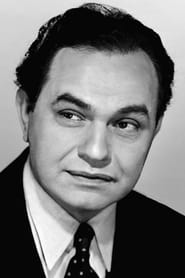
Barton Keyes

Lola Dietrichson
Main Cast & Characters
Walter Neff
Played by Fred MacMurray
An insurance salesman who becomes entangled in a murder-for-insurance plot with a seductive married woman.
Phyllis Dietrichson
Played by Barbara Stanwyck
A calculating femme fatale who manipulates Walter into murdering her husband for insurance money.
Barton Keyes
Played by Edward G. Robinson
Walter's mentor and claims investigator whose dogged pursuit of truth threatens to expose the murder scheme.
Lola Dietrichson
Played by Jean Heather
Phyllis's stepdaughter who becomes suspicious of her stepmother and develops feelings for Walter.
Structural Analysis
The Status Quo at 1 minutes (1% through the runtime) establishes A wounded Walter Neff stumbles into the Pacific All-Risk Insurance office at night, bleeding from a gunshot wound. He begins dictating his confession into a Dictaphone, establishing the doomed fate that awaits - this is a man already destroyed by his choices.. Significantly, this early placement immediately immerses viewers in the story world.
The inciting incident occurs at 12 minutes when Phyllis subtly asks Neff about accident insurance for her husband - without the husband knowing. Neff immediately recognizes the implication: she wants to kill her husband for the insurance money. This proposition disrupts his ordinary world and awakens his darker impulses.. At 11% through the film, this Disruption aligns precisely with traditional story structure. This beat shifts the emotional landscape, launching the protagonist into the central conflict.
The First Threshold at 24 minutes marks the transition into Act II, occurring at 22% of the runtime. This reveals the protagonist's commitment to Neff fully commits to the murder plot, telling Phyllis he knows exactly how to do it and get away with it. He chooses to cross over into criminality, using his insurance expertise to design the perfect murder for the double indemnity payout. This is his active, irreversible choice into the criminal underworld., moving from reaction to action.
At 48 minutes, the Midpoint arrives at 45% of the runtime—arriving early, accelerating into Act IIb complications. The analysis reveals that this crucial beat Keyes announces he doesn't believe Dietrichson's death was an accident - his "little man" is acting up. He suspects murder but believes Phyllis had an accomplice, not realizing it's Neff sitting right beside him. The false victory of the completed murder transforms into false defeat as the investigation begins closing in., fundamentally raising what's at risk. The emotional intensity shifts, dividing the narrative into clear before-and-after phases.
The Collapse moment at 72 minutes (67% through) represents the emotional nadir. Here, Neff fully realizes that Phyllis never loved him - he was just a tool for her murderous ambitions. She's been manipulating him from the start, just as she manipulated and likely murdered before. His romantic delusion dies completely, leaving only the reality of what he's become: a murderer who was played for a fool., reveals the protagonist at their lowest point. This beat's placement in the final quarter sets up the climactic reversal.
The Second Threshold at 77 minutes initiates the final act resolution at 72% of the runtime. Neff decides to confront Phyllis and end their murderous partnership permanently. He goes to her house with the intention of killing her, knowing she likely plans to kill him too. He chooses to complete his damnation rather than let her continue destroying lives, accepting that there is no escape from what he's done., demonstrating the transformation achieved throughout the journey.
Emotional Journey
Double Indemnity's emotional architecture traces a deliberate progression across 15 carefully calibrated beats.
Narrative Framework
This structural analysis employs systematic plot point analysis that identifies crucial turning points. By mapping Double Indemnity against these established plot points, we can identify how Billy Wilder utilizes or subverts traditional narrative conventions. The plot point approach reveals not only adherence to structural principles but also creative choices that distinguish Double Indemnity within the crime genre.
Billy Wilder's Structural Approach
Among the 10 Billy Wilder films analyzed on Arcplot, the average structural score is 5.6, showcasing experimental approaches to narrative form. Double Indemnity takes a more unconventional approach compared to the director's typical style. For comparative analysis, explore the complete Billy Wilder filmography.
Comparative Analysis
Additional crime films include The Bad Guys, Rustom and The Whole Ten Yards. For more Billy Wilder analyses, see Sabrina, The Apartment and Some Like It Hot.
Plot Points by Act
Act I
SetupStatus Quo
A wounded Walter Neff stumbles into the Pacific All-Risk Insurance office at night, bleeding from a gunshot wound. He begins dictating his confession into a Dictaphone, establishing the doomed fate that awaits - this is a man already destroyed by his choices.
Theme
Keyes explains to Neff that he has a "little man" inside him who can always detect when something is wrong - a gut instinct for fraud. This articulates the film's theme: you cannot escape your own conscience, and crime reveals itself through the smallest details.
Worldbuilding
The flashback begins as Neff recalls his ordinary life as a successful insurance salesman. We see him visit the Dietrichson home for a routine policy renewal, where he first encounters Phyllis in her towel on the staircase. The world of respectable insurance business and middle-class Los Angeles is established, along with Neff's competence and casual flirtation.
Disruption
Phyllis subtly asks Neff about accident insurance for her husband - without the husband knowing. Neff immediately recognizes the implication: she wants to kill her husband for the insurance money. This proposition disrupts his ordinary world and awakens his darker impulses.
Resistance
Neff initially rejects Phyllis's scheme and leaves angrily. But he can't stop thinking about her - or the perfect crime. He debates internally, returns to see her, and they begin their affair. Phyllis guides him toward corruption while his professional knowledge makes him believe he can beat the system that Keyes represents.
Act II
ConfrontationFirst Threshold
Neff fully commits to the murder plot, telling Phyllis he knows exactly how to do it and get away with it. He chooses to cross over into criminality, using his insurance expertise to design the perfect murder for the double indemnity payout. This is his active, irreversible choice into the criminal underworld.
Mirror World
Lola Dietrichson, Phyllis's stepdaughter, emerges as a significant presence. Her innocent romance with Nino Zachetti and her suspicions about her stepmother represent the path of authentic love and moral clarity that Neff has rejected. Lola embodies the conscience and genuine human connection that Neff sacrifices for lust and greed.
Premise
Neff and Phyllis execute their elaborate murder scheme. He hides in the car, kills Mr. Dietrichson, impersonates him on the train using crutches, then jumps off to dump the body on the tracks. The meticulous crime unfolds as Neff applies his insurance expertise to murder - the dark "fun and games" of noir as two killers believe they've committed the perfect crime.
Midpoint
Keyes announces he doesn't believe Dietrichson's death was an accident - his "little man" is acting up. He suspects murder but believes Phyllis had an accomplice, not realizing it's Neff sitting right beside him. The false victory of the completed murder transforms into false defeat as the investigation begins closing in.
Opposition
Keyes relentlessly investigates while Neff grows increasingly paranoid. The lovers begin to distrust each other - Neff suspects Phyllis of using him, while she fears he'll crack under pressure. Lola reveals that Phyllis may have killed her mother as well. Neff learns Phyllis has been seeing Nino Zachetti. The walls close in as guilt, suspicion, and Keyes's investigation tighten like a noose.
Collapse
Neff fully realizes that Phyllis never loved him - he was just a tool for her murderous ambitions. She's been manipulating him from the start, just as she manipulated and likely murdered before. His romantic delusion dies completely, leaving only the reality of what he's become: a murderer who was played for a fool.
Crisis
Neff sits in darkness contemplating his complete moral destruction. He has lost everything - his integrity, his friendship with Keyes, and even the hollow reward of Phyllis's love. He must now decide whether to let Phyllis frame Nino for the murder or to end this himself. The darkness of his soul is absolute.
Act III
ResolutionSecond Threshold
Neff decides to confront Phyllis and end their murderous partnership permanently. He goes to her house with the intention of killing her, knowing she likely plans to kill him too. He chooses to complete his damnation rather than let her continue destroying lives, accepting that there is no escape from what he's done.
Synthesis
In Phyllis's darkened living room, she shoots him first but cannot fire again - claiming she never loved him until now. Neff takes the gun and kills her. He returns to the office to complete his confession to Keyes via Dictaphone. When Keyes arrives and listens, Neff admits he couldn't beat the system because Keyes was always too close - like a father figure whose moral compass Neff could never escape.
Transformation
Neff collapses at the office door, too weak to flee. Keyes lights his cigarette one final time - reversing their usual ritual where Neff lights Keyes's matches. "I love you too," Neff says. The transformation is complete: from confident salesman to dying murderer, his only redemption is confession and the acknowledgment of genuine love for the man he betrayed.