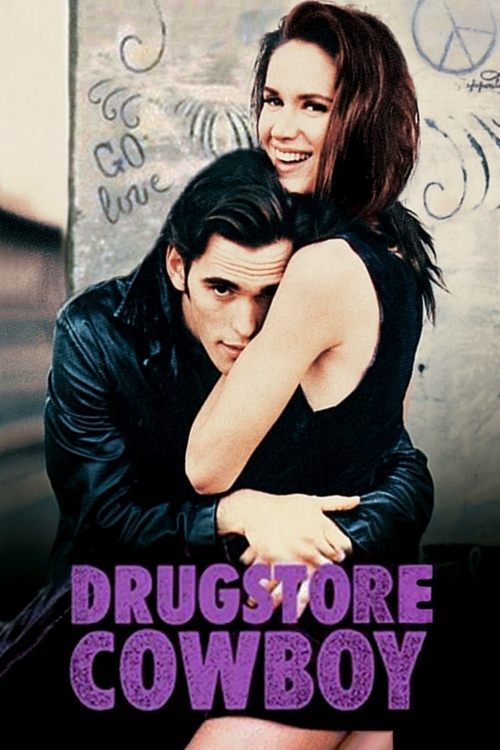
Drugstore Cowboy
Portland, Oregon, 1971. Bob Hughes is the charismatic leader of a peculiar quartet, formed by his wife, Dianne, and another couple, Rick and Nadine, who skillfully steal from drugstores and hospital medicine cabinets in order to appease their insatiable need for drugs. But neither fun nor luck last forever.
Working with a small-scale budget of $2.5M, the film achieved a steady performer with $4.7M in global revenue (+88% profit margin).
12 wins & 11 nominations


Plot Structure
Story beats plotted across runtime


Narrative Arc
Emotional journey through the story's key moments
Story Circle
Blueprint 15-beat structure
Arcplot Score Breakdown
Weighted: Precision (70%) + Arc (15%) + Theme (15%)
Drugstore Cowboy (1989) exemplifies deliberately positioned story structure, characteristic of Gus Van Sant's storytelling approach. This structural analysis examines how the film's 15-point plot structure maps to proven narrative frameworks across 1 hour and 42 minutes. With an Arcplot score of 7.3, the film balances conventional beats with creative variation.
Characters
Cast & narrative archetypes
Bob Hughes

Dianne Hughes

Rick

Nadine
Tom the Priest

David
Main Cast & Characters
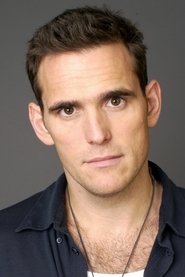
Bob Hughes
Played by Matt Dillon
Leader of a crew of drug addicts who rob pharmacies, superstitious and intelligent but trapped in addiction
Dianne Hughes
Played by Kelly Lynch
Bob's wife and partner in crime, loyal and tough but increasingly worn down by their lifestyle
Rick
Played by James Le Gros
Young member of Bob's crew, impulsive and reckless, represents the consequences of the lifestyle
Nadine
Played by Heather Graham
Rick's girlfriend and fourth member of the crew, vulnerable and tragic figure
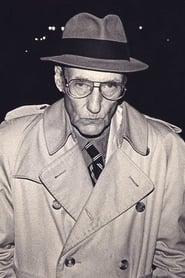
Tom the Priest
Played by William S. Burroughs
Former addict turned writer who serves as a mentor figure, offering wisdom from experience
David
Played by Max Perlich
Bob's drug counselor who represents the straight world and legitimate path to recovery
Structural Analysis
The Status Quo at 1 minutes (1% through the runtime) establishes Bob and his crew navigate a hospital hallway disguised as orderlies, preparing to rob the pharmacy. This opening establishes their routine criminal lifestyle and Bob's superstitious nature as he leads his makeshift family of addicts.. Of particular interest, this early placement immediately immerses viewers in the story world.
The inciting incident occurs at 13 minutes when Nadine dies of an overdose in a motel room. Her death on a bed - a violation of Bob's superstitions about hats on beds bringing bad luck - shatters the crew's sense of invincibility and forces them to dispose of her body to avoid police attention.. At 13% through the film, this Disruption is delayed, allowing extended setup of the story world. This beat shifts the emotional landscape, launching the protagonist into the central conflict.
The First Threshold at 26 minutes marks the transition into Act II, occurring at 25% of the runtime. This illustrates the protagonist's commitment to Bob makes the active decision to pull one more big job despite his superstitious dread and growing sense that continuing is dangerous. This choice to stay in the criminal life rather than walk away commits him to the path that will eventually force transformation., moving from reaction to action.
At 51 minutes, the Midpoint arrives at 50% of the runtime—precisely centered, creating perfect narrative symmetry. Significantly, this crucial beat Bob is shot during a pharmacy robbery gone wrong. This false defeat marks the end of their charmed run and raises the stakes dramatically. The violence of the shooting makes the consequences of their lifestyle undeniably real and forces Bob to confront his mortality., fundamentally raising what's at risk. The emotional intensity shifts, dividing the narrative into clear before-and-after phases.
The Collapse moment at 77 minutes (75% through) represents the emotional nadir. Here, Bob is arrested and sent to prison. The crew completely falls apart - Rick and Dianne are also arrested. Bob's carefully constructed world and identity as the clever leader of his outlaw family dies. Everything he's built and everyone he cares about is lost., demonstrates the protagonist at their lowest point. This beat's placement in the final quarter sets up the climactic reversal.
The Second Threshold at 82 minutes initiates the final act resolution at 80% of the runtime. Bob is released from prison and makes the genuine decision to stay clean and start over. He enters a methadone program and gets a regular job. This represents a synthesis of his street smarts with a new acceptance of conventional life - a choice to live rather than chase the high., demonstrating the transformation achieved throughout the journey.
Emotional Journey
Drugstore Cowboy's emotional architecture traces a deliberate progression across 15 carefully calibrated beats.
Narrative Framework
This structural analysis employs structural analysis methodology used to understand storytelling architecture. By mapping Drugstore Cowboy against these established plot points, we can identify how Gus Van Sant utilizes or subverts traditional narrative conventions. The plot point approach reveals not only adherence to structural principles but also creative choices that distinguish Drugstore Cowboy within the drama genre.
Gus Van Sant's Structural Approach
Among the 11 Gus Van Sant films analyzed on Arcplot, the average structural score is 6.8, demonstrating varied approaches to story architecture. Drugstore Cowboy represents one of the director's most structurally precise works. For comparative analysis, explore the complete Gus Van Sant filmography.
Comparative Analysis
Additional drama films include After Thomas, South Pacific and Dirty Dancing: Havana Nights. For more Gus Van Sant analyses, see To Die For, Good Will Hunting and Finding Forrester.
Plot Points by Act
Act I
SetupStatus Quo
Bob and his crew navigate a hospital hallway disguised as orderlies, preparing to rob the pharmacy. This opening establishes their routine criminal lifestyle and Bob's superstitious nature as he leads his makeshift family of addicts.
Theme
Dianne expresses her desire to have a baby, and Bob dismisses it, stating their lifestyle won't allow for normal life. This introduces the central thematic tension between addiction as freedom versus the possibility of change and conventional life.
Worldbuilding
The crew's drug-fueled existence is established: Bob as leader with elaborate superstitions, Dianne as his devoted partner, Rick and Nadine as the younger couple. Their efficient pharmacy robberies, careful rituals, and paranoid lifestyle in early 1970s Portland paint a complete picture of their outlaw world.
Disruption
Nadine dies of an overdose in a motel room. Her death on a bed - a violation of Bob's superstitions about hats on beds bringing bad luck - shatters the crew's sense of invincibility and forces them to dispose of her body to avoid police attention.
Resistance
After dumping Nadine's body, the crew debates whether to continue. Bob becomes increasingly paranoid that their luck has turned. They decide to leave town and head to a different city, but the shadow of death hangs over them. Bob resists change while sensing the lifestyle is becoming unsustainable.
Act II
ConfrontationFirst Threshold
Bob makes the active decision to pull one more big job despite his superstitious dread and growing sense that continuing is dangerous. This choice to stay in the criminal life rather than walk away commits him to the path that will eventually force transformation.
Mirror World
Bob encounters an older junkie priest, Tom Murphy (played by William S. Burroughs), who represents a possible future - someone who has survived the life but carries its scars. Tom embodies the film's theme: you can leave the life, but it leaves its mark.
Premise
The crew continues their pharmacy heists with increasing boldness and skill. Bob's expertise and superstitious rituals are on full display. However, tension builds as Rick becomes more reckless, Dianne's desire for a baby intensifies, and Bob's paranoia grows with each close call.
Midpoint
Bob is shot during a pharmacy robbery gone wrong. This false defeat marks the end of their charmed run and raises the stakes dramatically. The violence of the shooting makes the consequences of their lifestyle undeniably real and forces Bob to confront his mortality.
Opposition
Bob recovers but grows increasingly paranoid about police surveillance. The crew's cohesion breaks down as Rick becomes more aggressive and unpredictable. A detective begins closing in on them. Bob's superstitions intensify, and his relationship with Dianne deteriorates as the pressure mounts.
Collapse
Bob is arrested and sent to prison. The crew completely falls apart - Rick and Dianne are also arrested. Bob's carefully constructed world and identity as the clever leader of his outlaw family dies. Everything he's built and everyone he cares about is lost.
Crisis
Bob endures the dark night of withdrawal and imprisonment. He must face who he is without drugs and without his crew. This period of forced sobriety strips away his defenses and forces him to confront whether he wants to continue the same cycle or truly change.
Act III
ResolutionSecond Threshold
Bob is released from prison and makes the genuine decision to stay clean and start over. He enters a methadone program and gets a regular job. This represents a synthesis of his street smarts with a new acceptance of conventional life - a choice to live rather than chase the high.
Synthesis
Bob attempts to build a straight life, working, attending methadone clinic, living in a modest apartment. He reconnects with Tom Murphy and tries to mentor a young addict. However, his past resurfaces when Rick gets out and tries to pull him back in, testing Bob's commitment to his new path.
Transformation
Bob is shot again, this time by a random junkie in a robbery. As he lies bleeding, uncertain if he'll survive, he has changed from the opening - he chose life over the rush, even though the world remains dangerous. The final image is ambiguous, matching the film's honest assessment that recovery is fragile and uncertain.