
Dune: Part Two
Duke Paul Atreides joins the Fremen and begins a spiritual and martial journey to become Muad'dib, while trying to prevent the horrible but inevitable future he's witnessed: a Holy War in his name, spreading throughout the known universe.
Despite a massive budget of $190.0M, Dune: Part Two became a financial success, earning $714.8M worldwide—a 276% return. This commercial performance validated the ambitious narrative scope, confirming that audiences embrace compelling narrative even at blockbuster scale.
2 Oscars. 117 wins & 372 nominations


Plot Structure
Story beats plotted across runtime


Narrative Arc
Emotional journey through the story's key moments
Story Circle
Blueprint 15-beat structure
Arcplot Score Breakdown
Weighted: Precision (70%) + Arc (15%) + Theme (15%)
Dune: Part Two (2024) demonstrates carefully calibrated narrative architecture, characteristic of Denis Villeneuve's storytelling approach. This structural analysis examines how the film's 15-point plot structure maps to proven narrative frameworks across 2 hours and 46 minutes. With an Arcplot score of 3.7, the film takes an unconventional approach to traditional narrative frameworks.
Characters
Cast & narrative archetypes

Paul Atreides

Chani

Lady Jessica

Stilgar
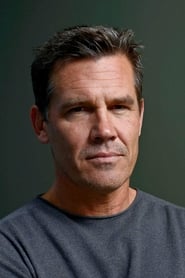
Gurney Halleck
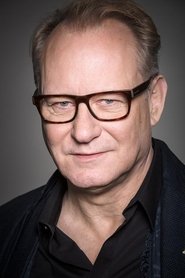
Baron Vladimir Harkonnen

Feyd-Rautha Harkonnen

Princess Irulan

Emperor Shaddam IV

Reverend Mother Mohiam
Main Cast & Characters
Paul Atreides
Played by Timothée Chalamet
The prophesied messiah who struggles between destiny and personal choice while leading the Fremen in rebellion against the Harkonnens.
Chani
Played by Zendaya
A fierce Fremen warrior who becomes Paul's lover and moral anchor, questioning his messianic path.
Lady Jessica
Played by Rebecca Ferguson
Paul's mother and Bene Gesserit sister who becomes the Reverend Mother of the Fremen, torn between her son and her order.
Stilgar
Played by Javier Bardem
The Fremen naib who becomes Paul's devoted follower and believer in the prophecy.
Gurney Halleck
Played by Josh Brolin
Paul's loyal weaponmaster and mentor who reunites with him to aid the Fremen rebellion.
Baron Vladimir Harkonnen
Played by Stellan Skarsgård
The grotesque and sadistic ruler of House Harkonnen who seeks to crush the Fremen and reclaim Arrakis.
Feyd-Rautha Harkonnen
Played by Austin Butler
The Baron's cunning and brutal nephew, a skilled fighter positioned as the Harkonnen heir.
Princess Irulan
Played by Florence Pugh
The Emperor's daughter and Bene Gesserit-trained historian who becomes a political pawn in the power struggle.
Emperor Shaddam IV
Played by Christopher Walken
The ruler of the known universe who views Paul as a threat to his power and schemes to eliminate him.
Reverend Mother Mohiam
Played by Charlotte Rampling
The Bene Gesserit's ruthless truthsayer who serves the Emperor and judges Paul.
Structural Analysis
The Status Quo at 1 minutes (1% through the runtime) establishes Paul and Jessica survive in the desert with the Fremen, still outsiders learning their ways. Paul is haunted by prescient visions and reluctant to embrace the messianic role the Fremen project onto him.. Of particular interest, this early placement immediately immerses viewers in the story world.
The inciting incident occurs at 18 minutes when The Harkonnens escalate their spice harvesting operations and brutality against the Fremen, forcing Stilgar's sietch into active guerrilla warfare. Paul must choose whether to fight alongside them or remain passive.. At 11% through the film, this Disruption aligns precisely with traditional story structure. This beat shifts the emotional landscape, launching the protagonist into the central conflict.
The First Threshold at 37 minutes marks the transition into Act II, occurring at 22% of the runtime. This shows the protagonist's commitment to Paul successfully rides a sandworm for the first time, proving himself to the Fremen and earning his place as a true warrior. He chooses to fully commit to their fight against the Harkonnens., moving from reaction to action.
At 75 minutes, the Midpoint arrives at 45% of the runtime—arriving early, accelerating into Act IIb complications. Notably, this crucial beat Feyd-Rautha Harkonnen is introduced and given control of Arrakis. He launches devastating attacks on Fremen sietches, killing thousands. The false victory of the guerrilla campaign collapses as the stakes escalate dramatically., fundamentally raising what's at risk. The emotional intensity shifts, dividing the narrative into clear before-and-after phases.
The Collapse moment at 112 minutes (67% through) represents the emotional nadir. Here, After a devastating Harkonnen attack, Paul drinks the Water of Life to unlock his full prescience. He nearly dies in the process, experiencing a metaphorical death as his old self—the Paul who resisted prophecy—is destroyed., demonstrates the protagonist at their lowest point. This beat's placement in the final quarter sets up the climactic reversal.
The Second Threshold at 119 minutes initiates the final act resolution at 72% of the runtime. Paul awakens transformed, having gained ancestral memory and full prescience. He sees the "narrow way through" and fully embraces his role as the Kwisatz Haderach, though Chani recognizes he has become someone else entirely., demonstrating the transformation achieved throughout the journey.
Emotional Journey
Dune: Part Two's emotional architecture traces a deliberate progression across 15 carefully calibrated beats.
Narrative Framework
This structural analysis employs a 15-point narrative structure framework that maps key story moments. By mapping Dune: Part Two against these established plot points, we can identify how Denis Villeneuve utilizes or subverts traditional narrative conventions. The plot point approach reveals not only adherence to structural principles but also creative choices that distinguish Dune: Part Two within the action genre.
Denis Villeneuve's Structural Approach
Among the 7 Denis Villeneuve films analyzed on Arcplot, the average structural score is 5.9, showcasing experimental approaches to narrative form. Dune: Part Two takes a more unconventional approach compared to the director's typical style. For comparative analysis, explore the complete Denis Villeneuve filmography.
Comparative Analysis
Additional action films include The Bad Guys, Puss in Boots and Venom: The Last Dance. For more Denis Villeneuve analyses, see Sicario, Incendies and Arrival.
Plot Points by Act
Act I
SetupStatus Quo
Paul and Jessica survive in the desert with the Fremen, still outsiders learning their ways. Paul is haunted by prescient visions and reluctant to embrace the messianic role the Fremen project onto him.
Theme
Stilgar tells Paul that he sees him as the Lisan al-Gaib, while Chani dismisses prophecy as a tool of oppression, stating "Prophets are made, not born." This establishes the central tension between manufactured destiny and authentic choice.
Worldbuilding
Paul integrates into Sietch Tabr, learning Fremen combat and sandworm riding. Jessica begins her transformation into a Reverend Mother. The political machinations of the Harkonnens and Emperor are established.
Disruption
The Harkonnens escalate their spice harvesting operations and brutality against the Fremen, forcing Stilgar's sietch into active guerrilla warfare. Paul must choose whether to fight alongside them or remain passive.
Resistance
Paul trains with the Fremen and debates his path. Stilgar serves as a spiritual guide pushing prophecy, while Chani guides him toward authentic Fremen identity. Jessica manipulates religious belief to secure their position.
Act II
ConfrontationFirst Threshold
Paul successfully rides a sandworm for the first time, proving himself to the Fremen and earning his place as a true warrior. He chooses to fully commit to their fight against the Harkonnens.
Mirror World
Paul and Chani's romantic relationship deepens. She represents the authentic path—fighting for Arrakis without religious manipulation. Their love offers Paul an alternative to the messianic destiny Jessica and Stilgar push upon him.
Premise
Paul leads increasingly successful raids against Harkonnen spice operations. He and Chani fight side by side as equals. The guerrilla campaign devastates Harkonnen production, drawing the attention of the Emperor.
Midpoint
Feyd-Rautha Harkonnen is introduced and given control of Arrakis. He launches devastating attacks on Fremen sietches, killing thousands. The false victory of the guerrilla campaign collapses as the stakes escalate dramatically.
Opposition
Feyd-Rautha's brutality intensifies. Jessica manipulates the southern Fremen fundamentalists. Paul is pressured from all sides to embrace the Lisan al-Gaib prophecy while Chani resists this path. His prescient visions show terrible futures.
Collapse
After a devastating Harkonnen attack, Paul drinks the Water of Life to unlock his full prescience. He nearly dies in the process, experiencing a metaphorical death as his old self—the Paul who resisted prophecy—is destroyed.
Crisis
Paul lies unconscious, dying from the Water of Life. Chani desperately tries to save him while Jessica manipulates the situation. The Fremen await their messiah's awakening or death.
Act III
ResolutionSecond Threshold
Paul awakens transformed, having gained ancestral memory and full prescience. He sees the "narrow way through" and fully embraces his role as the Kwisatz Haderach, though Chani recognizes he has become someone else entirely.
Synthesis
Paul unites the Fremen, rides the sandworms to Arrakeen, defeats the Sardaukar and Harkonnens, kills Feyd-Rautha in single combat, and forces the Emperor to surrender. He demands Princess Irulan's hand, triggering holy war.
Transformation
Chani, heartbroken and betrayed, rides a sandworm alone into the desert as Paul watches. He has won the throne but lost his humanity and the woman he loves. The holy war he dreaded is now inevitable.