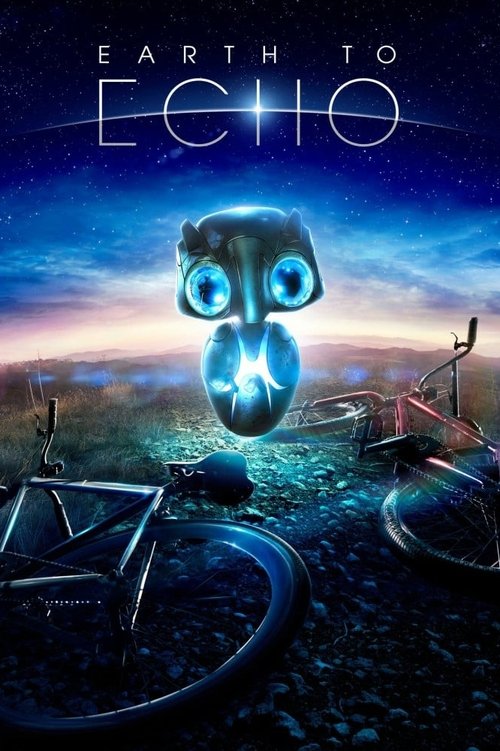
Earth to Echo
After a construction project begins digging in their neighbourhood, best friends Tuck, Munch and Alex inexplicably begin to receive strange, encoded messages on their cell phones. Convinced something bigger is going on, they go to their parents and the authorities. The three embark on a secret adventure to crack the code and follow it to its source, and discover a mysterious being from another world who desperately needs their help. The journey that follows will change all their lives forever.
Despite its small-scale budget of $13.0M, Earth to Echo became a commercial success, earning $45.3M worldwide—a 248% return. The film's bold vision resonated with audiences, demonstrating that strong storytelling can transcend budget limitations.
2 wins & 1 nomination


Plot Structure
Story beats plotted across runtime


Narrative Arc
Emotional journey through the story's key moments
Story Circle
Blueprint 15-beat structure
Arcplot Score Breakdown
Weighted: Precision (70%) + Arc (15%) + Theme (15%)
Earth to Echo (2014) demonstrates carefully calibrated story structure, characteristic of Dave Green's storytelling approach. This structural analysis examines how the film's 15-point plot structure maps to proven narrative frameworks across 1 hour and 29 minutes. With an Arcplot score of 7.7, the film showcases strong structural fundamentals.
Characters
Cast & narrative archetypes

Tuck
Alex
Munch
Emma
Echo
Main Cast & Characters
Tuck
Played by Brian "Astro" Bradley
The video blogger and natural leader of the friend group who documents their adventure with Echo.
Alex
Played by Teo Halm
The tech-savvy protagonist who first decodes Echo's signals and becomes the alien's primary companion.
Munch
Played by Reese Hartwig
The anxious, germophobic friend who provides comic relief while wrestling with fear and loyalty.
Emma
Played by Ella Wahlestedt
The popular girl who unexpectedly joins the boys' adventure and proves to be brave and resourceful.
Echo
Played by Echo (CGI)
The small, owl-like alien who communicates through technology and needs the kids' help to return home.
Structural Analysis
The Status Quo at 1 minutes (1% through the runtime) establishes Found footage opening: Tuck introduces his best friends Alex, Munch, and Emma. They're being forced to move away because of a highway construction project destroying their neighborhood.. Notably, this early placement immediately immerses viewers in the story world.
The inciting incident occurs at 11 minutes when The boys decode the phone signals and realize they form a map leading somewhere in the desert. They decide this is a mystery they must solve on their last night together.. At 12% through the film, this Disruption aligns precisely with traditional story structure. This beat shifts the emotional landscape, launching the protagonist into the central conflict.
The First Threshold at 22 minutes marks the transition into Act II, occurring at 24% of the runtime. This indicates the protagonist's commitment to The group sneaks out at night and rides into the desert, actively choosing adventure over safety. They cross into the unknown, following the mysterious coordinates., moving from reaction to action.
At 45 minutes, the Midpoint arrives at 51% of the runtime—precisely centered, creating perfect narrative symmetry. Of particular interest, this crucial beat False victory: They successfully find several ship pieces and Echo is getting stronger. They realize Echo might actually be able to go home. Stakes raise as they understand the government is actively hunting them., fundamentally raising what's at risk. The emotional intensity shifts, dividing the narrative into clear before-and-after phases.
The Collapse moment at 67 minutes (76% through) represents the emotional nadir. Here, The group is captured by government agents. Echo is taken away, seemingly lost forever. Their friendship couldn't save him. All seems lost as they face the reality that their neighborhood is gone, their friend is leaving, and they failed., illustrates the protagonist at their lowest point. This beat's placement in the final quarter sets up the climactic reversal.
The Second Threshold at 71 minutes initiates the final act resolution at 80% of the runtime. Echo breaks free using his rebuilt powers. The kids realize they must let him go home - understanding the theme that true friendship means letting go when necessary. They choose to help him escape even if it means goodbye., demonstrating the transformation achieved throughout the journey.
Emotional Journey
Earth to Echo's emotional architecture traces a deliberate progression across 15 carefully calibrated beats.
Narrative Framework
This structural analysis employs structural analysis methodology used to understand storytelling architecture. By mapping Earth to Echo against these established plot points, we can identify how Dave Green utilizes or subverts traditional narrative conventions. The plot point approach reveals not only adherence to structural principles but also creative choices that distinguish Earth to Echo within the family genre.
Dave Green's Structural Approach
Among the 2 Dave Green films analyzed on Arcplot, the average structural score is 7.2, reflecting strong command of classical structure. Earth to Echo represents one of the director's most structurally precise works. For comparative analysis, explore the complete Dave Green filmography.
Comparative Analysis
Additional family films include The Black Stallion, The Bad Guys and Ella Enchanted. For more Dave Green analyses, see Teenage Mutant Ninja Turtles: Out of the Shadows.
Plot Points by Act
Act I
SetupStatus Quo
Found footage opening: Tuck introduces his best friends Alex, Munch, and Emma. They're being forced to move away because of a highway construction project destroying their neighborhood.
Theme
Munch's mother talks about how important their friendship is and how they need to treasure their last days together. Theme of friendship and letting go vs. holding on.
Worldbuilding
Setup of the boys' friendship and their neighborhood. Everyone is packing to move. Strange signals start disrupting their phones, showing a map with coordinates. They plan one last adventure together.
Disruption
The boys decode the phone signals and realize they form a map leading somewhere in the desert. They decide this is a mystery they must solve on their last night together.
Resistance
The boys debate whether to sneak out and follow the map. They prepare, steal bikes, and recruit Emma. They hesitate but commit to going on this final adventure despite fear of getting caught.
Act II
ConfrontationFirst Threshold
The group sneaks out at night and rides into the desert, actively choosing adventure over safety. They cross into the unknown, following the mysterious coordinates.
Mirror World
They discover Echo - a small alien machine that needs their help. Emma bonds with Echo first, showing compassion. This relationship subplot represents the theme of connection and helping others.
Premise
The adventure promised by the premise: helping Echo find pieces of his ship scattered around town. Fun sequences of Echo using his powers, the kids bonding, evading adults, and solving puzzles together.
Midpoint
False victory: They successfully find several ship pieces and Echo is getting stronger. They realize Echo might actually be able to go home. Stakes raise as they understand the government is actively hunting them.
Opposition
Government agents close in. The kids' parents discover they're missing. Time is running out before morning. The search becomes more dangerous. Internal conflict: they want to keep Echo vs. knowing he needs to go home.
Collapse
The group is captured by government agents. Echo is taken away, seemingly lost forever. Their friendship couldn't save him. All seems lost as they face the reality that their neighborhood is gone, their friend is leaving, and they failed.
Crisis
The kids are separated and interrogated. Dark moment of defeat and helplessness. They process that they're losing everything: their home, their friendship, and Echo.
Act III
ResolutionSecond Threshold
Echo breaks free using his rebuilt powers. The kids realize they must let him go home - understanding the theme that true friendship means letting go when necessary. They choose to help him escape even if it means goodbye.
Synthesis
The finale: helping Echo reach his ship and escape. Confrontation with government forces. Echo's ship rises. Emotional goodbye scene. The kids accept change and cherish their friendship despite the separation ahead.
Transformation
Final image mirrors opening: Tuck records a message about their adventure. The boys are still moving away, but now they understand that friendships can endure distance. They've grown from their experience and treasure what they had.