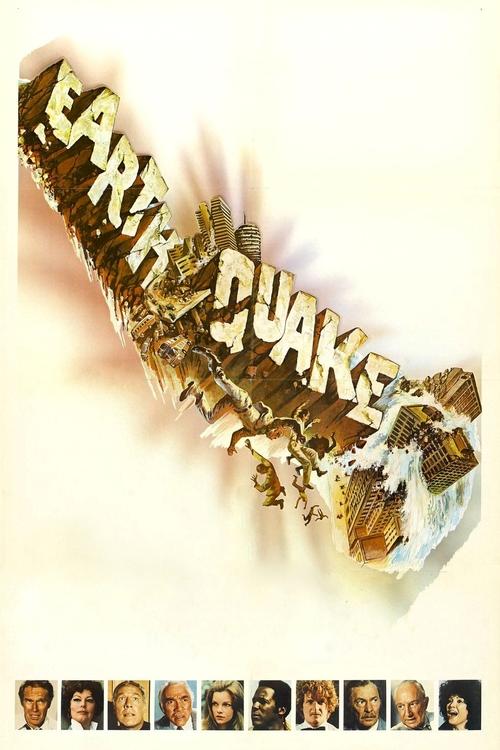
Earthquake
Various interconnected people struggle to survive when an earthquake of unimaginable magnitude hits Los Angeles, California.
Despite its modest budget of $7.0M, Earthquake became a box office phenomenon, earning $79.7M worldwide—a remarkable 1038% return. The film's bold vision attracted moviegoers, illustrating how strong storytelling can transcend budget limitations.
1 Oscar. 3 wins & 7 nominations


Plot Structure
Story beats plotted across runtime


Narrative Arc
Emotional journey through the story's key moments
Story Circle
Blueprint 15-beat structure
Arcplot Score Breakdown
Weighted: Precision (70%) + Arc (15%) + Theme (15%)
Earthquake (1974) exemplifies meticulously timed narrative design, characteristic of Mark Robson's storytelling approach. This structural analysis examines how the film's 15-point plot structure maps to proven narrative frameworks across 2 hours and 3 minutes. With an Arcplot score of 7.4, the film balances conventional beats with creative variation.
Characters
Cast & narrative archetypes

Stewart Graff
Remy Graff
Lew Slade
Denise Marshall
Sam Royce
Miles Quade
Rosa Amici
Sal Amici
Main Cast & Characters
Stewart Graff
Played by Charlton Heston
A construction engineer trapped in a failing marriage who must survive the devastating earthquake while rescuing others.
Remy Graff
Played by Ava Gardner
Stewart's wife, unhappy in her marriage and having an affair, who must reconcile with her husband during the disaster.
Lew Slade
Played by George Kennedy
A disgraced former cop and stunt motorcycle rider who becomes a hero during the earthquake aftermath.
Denise Marshall
Played by Geneviève Bujold
A young widow who forms a connection with Stewart during the crisis and represents hope for the future.
Sam Royce
Played by Lorne Greene
Stewart's boss and Remy's father, a powerful construction magnate who struggles with his daughter's unhappiness.
Miles Quade
Played by Richard Roundtree
A sleazy store manager who takes advantage of the chaos to loot and assault others.
Rosa Amici
Played by Victoria Principal
Miles Quade's sister who works at the grocery store and becomes a victim of the post-earthquake violence.
Sal Amici
Played by Gabriel Dell
Rosa's husband who tries to protect his wife during the disaster.
Structural Analysis
The Status Quo at 1 minutes (1% through the runtime) establishes Stuart Graff, a construction engineer, wakes in his Los Angeles home in a troubled marriage with actress wife Remy, establishing the fractured personal relationships before disaster strikes.. The analysis reveals that this early placement immediately immerses viewers in the story world.
The inciting incident occurs at 15 minutes when A significant tremor shakes Los Angeles - the first major warning. Stuart witnesses cracks in his new construction project, raising professional and personal stakes about structural safety.. At 12% through the film, this Disruption aligns precisely with traditional story structure. This beat shifts the emotional landscape, launching the protagonist into the central conflict.
The First Threshold at 31 minutes marks the transition into Act II, occurring at 25% of the runtime. This illustrates the protagonist's commitment to The massive earthquake strikes Los Angeles. Buildings collapse, including the dam. This irreversible catastrophe forces every character into a new reality of survival. The world they knew is literally destroyed., moving from reaction to action.
At 62 minutes, the Midpoint arrives at 50% of the runtime—precisely centered, creating perfect narrative symmetry. The analysis reveals that this crucial beat The dam breaks, unleashing catastrophic flooding toward the city. A false defeat - just when survivors thought the worst was over, a new existential threat emerges. The stakes escalate exponentially., fundamentally raising what's at risk. The emotional intensity shifts, dividing the narrative into clear before-and-after phases.
The Collapse moment at 92 minutes (75% through) represents the emotional nadir. Here, Multiple deaths of key characters. Remy falls to her death from the collapsing building. Miles dies in a stunt gone wrong. The "whiff of death" is literal - major characters perish, and hope seems lost as structures continue to fail., demonstrates the protagonist at their lowest point. This beat's placement in the final quarter sets up the climactic reversal.
The Second Threshold at 98 minutes initiates the final act resolution at 80% of the runtime. Stuart realizes he can save the trapped survivors by breaking through the wall to the storm drain. Synthesis of his engineering knowledge and newfound heroism. He chooses to risk his life for others - true transformation., demonstrating the transformation achieved throughout the journey.
Emotional Journey
Earthquake's emotional architecture traces a deliberate progression across 15 carefully calibrated beats.
Narrative Framework
This structural analysis employs proven narrative structure principles that track dramatic progression. By mapping Earthquake against these established plot points, we can identify how Mark Robson utilizes or subverts traditional narrative conventions. The plot point approach reveals not only adherence to structural principles but also creative choices that distinguish Earthquake within the action genre.
Mark Robson's Structural Approach
Among the 3 Mark Robson films analyzed on Arcplot, the average structural score is 7.3, reflecting strong command of classical structure. Earthquake represents one of the director's most structurally precise works. For comparative analysis, explore the complete Mark Robson filmography.
Comparative Analysis
Additional action films include The Bad Guys, Puss in Boots and Venom: The Last Dance. For more Mark Robson analyses, see Valley of the Dolls, Von Ryan's Express.
Plot Points by Act
Act I
SetupStatus Quo
Stuart Graff, a construction engineer, wakes in his Los Angeles home in a troubled marriage with actress wife Remy, establishing the fractured personal relationships before disaster strikes.
Theme
A character remarks about the fragility of the city built on fault lines: "It's all going to come down someday." The theme of impermanence and what matters when everything collapses.
Worldbuilding
Introduction to the web of Los Angeles characters: Stuart's affair with Denise, his boss/father-in-law Sam Royce, Remy's alcoholism, daredevil Miles, store manager Slade, and cop Lew. Small tremors hint at coming danger.
Disruption
A significant tremor shakes Los Angeles - the first major warning. Stuart witnesses cracks in his new construction project, raising professional and personal stakes about structural safety.
Resistance
Characters debate whether to leave the city, continue normal life, or prepare. Stuart wrestles with his marriage vs. his love for Denise. Seismologists warn of the big one. Tension builds as characters resist changing their lives.
Act II
ConfrontationFirst Threshold
The massive earthquake strikes Los Angeles. Buildings collapse, including the dam. This irreversible catastrophe forces every character into a new reality of survival. The world they knew is literally destroyed.
Mirror World
Stuart teams with Denise and later with Lew Slade in rescue efforts. These partnerships form the mirror world relationships that will test what truly matters - heroism, sacrifice, and genuine human connection over material success.
Premise
The promise of the disaster premise: spectacular destruction, rescue attempts, heroism and cowardice revealed. Characters navigate the collapsed city, save trapped victims, face aftershocks, and show their true natures under crisis.
Midpoint
The dam breaks, unleashing catastrophic flooding toward the city. A false defeat - just when survivors thought the worst was over, a new existential threat emerges. The stakes escalate exponentially.
Opposition
Floodwaters rush through the city. National Guard struggles with looters. Characters become trapped in underground parking garages and elevators. Nature and human darkness close in. Stuart's building begins to fail structurally.
Collapse
Multiple deaths of key characters. Remy falls to her death from the collapsing building. Miles dies in a stunt gone wrong. The "whiff of death" is literal - major characters perish, and hope seems lost as structures continue to fail.
Crisis
Stuart processes the loss of Remy and the guilt of their failed marriage. Survivors trapped underground face drowning. Darkness and despair as characters confront mortality and whether survival is even possible.
Act III
ResolutionSecond Threshold
Stuart realizes he can save the trapped survivors by breaking through the wall to the storm drain. Synthesis of his engineering knowledge and newfound heroism. He chooses to risk his life for others - true transformation.
Synthesis
Stuart and Slade execute the dangerous rescue plan. They break through to the drain, saving Denise and other survivors. Final confrontations with looters. The National Guard restores order. Survivors emerge from the ruins into daylight.
Transformation
Stuart and Denise, battered but alive, stand amid the devastated city as helicopters fly overhead with aid. The crisis has stripped away pretense - they've found authentic connection through shared survival. What matters is clear now.