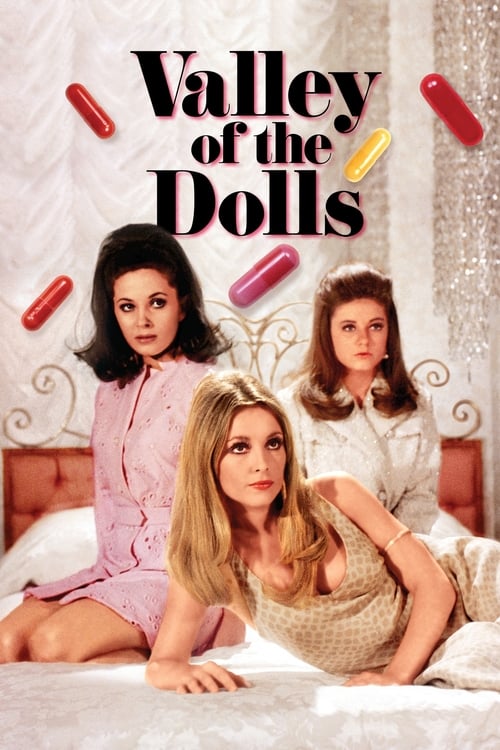
Valley of the Dolls
Lured by their dreams of fame and fortune, three ambitious young women enter the world of show business and discover how easy it is to sink into a celebrity nightmare of ego, alcohol and pills — the beloved "dolls."
Despite its tight budget of $5.0M, Valley of the Dolls became a massive hit, earning $50.0M worldwide—a remarkable 900% return. The film's unconventional structure attracted moviegoers, proving that strong storytelling can transcend budget limitations.
Nominated for 1 Oscar. 6 nominations


Plot Structure
Story beats plotted across runtime


Narrative Arc
Emotional journey through the story's key moments
Story Circle
Blueprint 15-beat structure
Arcplot Score Breakdown
Weighted: Precision (70%) + Arc (15%) + Theme (15%)
Valley of the Dolls (1967) reveals meticulously timed dramatic framework, characteristic of Mark Robson's storytelling approach. This structural analysis examines how the film's 15-point plot structure maps to proven narrative frameworks across 2 hours and 3 minutes. With an Arcplot score of 7.4, the film balances conventional beats with creative variation.
Structural Analysis
The Status Quo at 2 minutes (2% through the runtime) establishes Anne Welles arrives in New York City from small-town New England, fresh-faced and hopeful, carrying her suitcase through Grand Central Station. She represents innocence and ambition entering the glamorous but dangerous world of show business.. The analysis reveals that this early placement immediately immerses viewers in the story world.
The inciting incident occurs at 15 minutes when Neely gets her big break when aging star Helen Lawson refuses to let her perform, but the producer sees Neely's talent and gives her a chance anyway. This catalyzes the main action - all three women's careers begin to take off, launching them into the world of fame.. At 13% through the film, this Disruption is delayed, allowing extended setup of the story world. This beat shifts the emotional landscape, launching the protagonist into the central conflict.
The First Threshold at 31 minutes marks the transition into Act II, occurring at 25% of the runtime. This illustrates the protagonist's commitment to Anne actively chooses to commit to Lyon and the New York lifestyle, sleeping with him and fully entering the sophisticated world she once only observed. Each woman makes choices that bind them to their paths: Neely to stardom, Jennifer to her beauty, Anne to Lyon., moving from reaction to action.
At 62 minutes, the Midpoint arrives at 50% of the runtime—precisely centered, creating perfect narrative symmetry. Of particular interest, this crucial beat False defeat: Neely's addiction spirals out of control and she has a public breakdown, destroying her marriage to Mel. Jennifer learns Tony has a terminal condition requiring expensive care. Anne discovers Lyon is cheating on her. The glamorous dream reveals its nightmare underside., fundamentally raising what's at risk. The emotional intensity shifts, dividing the narrative into clear before-and-after phases.
The Collapse moment at 92 minutes (75% through) represents the emotional nadir. Here, Jennifer discovers she has breast cancer and must have a mastectomy, destroying the beauty that defined her worth. Facing life without her only asset, she overdoses on pills - a literal death that embodies the metaphorical death of all three women's dreams., reveals the protagonist at their lowest point. This beat's placement in the final quarter sets up the climactic reversal.
The Second Threshold at 99 minutes initiates the final act resolution at 81% of the runtime. Anne realizes she must break free from Lyon and the toxic cycle. She chooses self-respect over love, agency over dependence. She sees clearly: the world didn't destroy them - they destroyed themselves by accepting its terms., demonstrating the transformation achieved throughout the journey.
Emotional Journey
Valley of the Dolls's emotional architecture traces a deliberate progression across 15 carefully calibrated beats.
Narrative Framework
This structural analysis employs proven narrative structure principles that track dramatic progression. By mapping Valley of the Dolls against these established plot points, we can identify how Mark Robson utilizes or subverts traditional narrative conventions. The plot point approach reveals not only adherence to structural principles but also creative choices that distinguish Valley of the Dolls within the drama genre.
Mark Robson's Structural Approach
Among the 3 Mark Robson films analyzed on Arcplot, the average structural score is 7.3, reflecting strong command of classical structure. Valley of the Dolls represents one of the director's most structurally precise works. For comparative analysis, explore the complete Mark Robson filmography.
Comparative Analysis
Additional drama films include After Thomas, South Pacific and Dirty Dancing: Havana Nights. For more Mark Robson analyses, see Earthquake, Von Ryan's Express.
Plot Points by Act
Act I
SetupStatus Quo
Anne Welles arrives in New York City from small-town New England, fresh-faced and hopeful, carrying her suitcase through Grand Central Station. She represents innocence and ambition entering the glamorous but dangerous world of show business.
Theme
Henry Bellamy warns Anne about the entertainment industry: "You've got to climb to the top of the ladder and it's pretty crowded up there." The theme of ambition's cost and the price of fame is established.
Worldbuilding
Anne gets a job at a theatrical law firm and meets Neely O'Hara (struggling vaudeville singer) and Jennifer North (beautiful showgirl using her looks to survive). The three women represent different paths in show business. Lyon Burke, the charming attorney, enters Anne's life.
Disruption
Neely gets her big break when aging star Helen Lawson refuses to let her perform, but the producer sees Neely's talent and gives her a chance anyway. This catalyzes the main action - all three women's careers begin to take off, launching them into the world of fame.
Resistance
The three women navigate early success. Neely becomes a star and marries childhood sweetheart Mel. Jennifer dates Tony, a lounge singer. Anne and Lyon begin a romance. They learn the rules of fame: pills to sleep, pills to wake up, pills to cope - "dolls" that numb the pain.
Act II
ConfrontationFirst Threshold
Anne actively chooses to commit to Lyon and the New York lifestyle, sleeping with him and fully entering the sophisticated world she once only observed. Each woman makes choices that bind them to their paths: Neely to stardom, Jennifer to her beauty, Anne to Lyon.
Mirror World
Jennifer's relationship with Tony deepens - he represents genuine love versus careerism. Their subplot explores the theme: can authentic love survive in a world built on image and commerce? Jennifer must choose between true love and financial security.
Premise
The "promise of the premise" - sex, glamour, pills, and fame. Neely becomes a major Hollywood star but grows addicted to pills and alcohol. Jennifer becomes a high-paid model but discovers Tony is ill. Anne becomes a successful model and Lyon's partner. The glittering surface conceals growing dysfunction.
Midpoint
False defeat: Neely's addiction spirals out of control and she has a public breakdown, destroying her marriage to Mel. Jennifer learns Tony has a terminal condition requiring expensive care. Anne discovers Lyon is cheating on her. The glamorous dream reveals its nightmare underside.
Opposition
Everything gets harder. Neely enters sanitarium but relapses. Jennifer marries a wealthy older man to pay for Tony's care, sacrificing love for duty. Anne stays with Lyon despite his betrayals. The women's flaws - Neely's ego, Jennifer's dependence on beauty, Anne's need to be needed - trap them.
Collapse
Jennifer discovers she has breast cancer and must have a mastectomy, destroying the beauty that defined her worth. Facing life without her only asset, she overdoses on pills - a literal death that embodies the metaphorical death of all three women's dreams.
Crisis
Dark night of the soul. Anne processes Jennifer's death and the waste of their dreams. Neely, now a has-been, spirals further into addiction. Anne questions everything - was any of it worth it? The "dolls" that promised escape delivered only emptiness.
Act III
ResolutionSecond Threshold
Anne realizes she must break free from Lyon and the toxic cycle. She chooses self-respect over love, agency over dependence. She sees clearly: the world didn't destroy them - they destroyed themselves by accepting its terms.
Synthesis
Anne leaves Lyon and returns to New England, rejecting the false promise of fame and glamour. Neely attempts a comeback but is found drunk in an alley, screaming at her own reflection. The finale resolves each woman's arc: Anne chooses escape, Neely chooses denial, Jennifer found oblivion.
Transformation
Anne sits alone in her New England home, reaching for a bottle of pills - the "dolls" have followed her home. The closing image mirrors the opening: she sought escape from small-town life but found only a different prison. Transformation is tragic - she survived but lost her innocence.