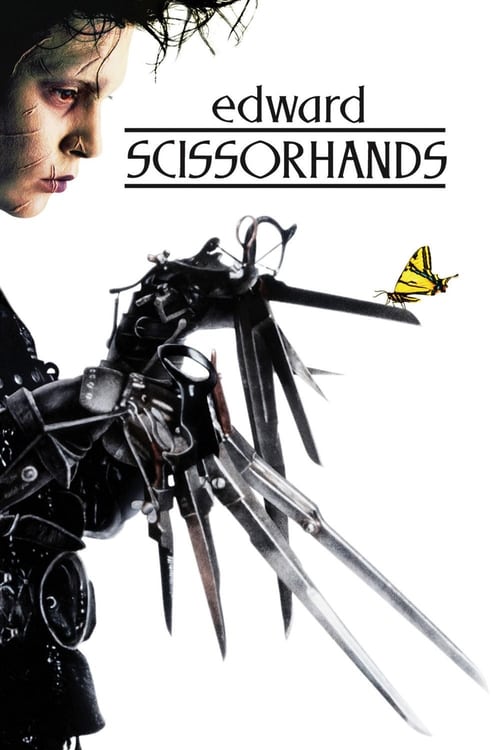
Edward Scissorhands
A small suburban town receives a visit from a castaway unfinished science experiment named Edward.
Despite a respectable budget of $20.0M, Edward Scissorhands became a box office success, earning $86.0M worldwide—a 330% return.
Nominated for 1 Oscar. 11 wins & 25 nominations


Plot Structure
Story beats plotted across runtime


Narrative Arc
Emotional journey through the story's key moments
Story Circle
Blueprint 15-beat structure
Arcplot Score Breakdown
Weighted: Precision (70%) + Arc (15%) + Theme (15%)
Edward Scissorhands (1990) exemplifies strategically placed narrative architecture, characteristic of Tim Burton's storytelling approach. This structural analysis examines how the film's 15-point plot structure maps to proven narrative frameworks across 1 hour and 45 minutes. With an Arcplot score of 6.3, the film takes an unconventional approach to traditional narrative frameworks.
Characters
Cast & narrative archetypes

Edward Scissorhands
Kim Boggs
Peg Boggs
The Inventor
Jim
Bill Boggs
Joyce Monroe
Main Cast & Characters
Edward Scissorhands
Played by Johnny Depp
An artificial man with scissors for hands who lives in isolation until brought into suburban society, struggling to connect despite his dangerous appearance.
Kim Boggs
Played by Winona Ryder
A teenage girl who becomes Edward's love interest and defender, torn between her feelings for him and social pressures.
Peg Boggs
Played by Dianne Wiest
An Avon saleswoman with a kind heart who discovers Edward and brings him home to live with her family.
The Inventor
Played by Vincent Price
Edward's creator who dies before completing him, leaving Edward with scissors instead of hands.
Jim
Played by Anthony Michael Hall
Kim's jealous and aggressive boyfriend who becomes hostile toward Edward and exploits his innocence.
Bill Boggs
Played by Alan Arkin
Peg's supportive husband who accepts Edward into their home with gentle bemusement.
Joyce Monroe
Played by Kathy Baker
A predatory neighbor who develops an inappropriate attraction to Edward and turns vindictive when rejected.
Structural Analysis
The Status Quo at 1 minutes (1% through the runtime) establishes Edward lives alone in the gothic castle on the hill, isolated and incomplete with scissors for hands, a creation abandoned by his inventor who died before finishing him.. Notably, this early placement immediately immerses viewers in the story world.
The inciting incident occurs at 12 minutes when Peg discovers Edward in the castle and, moved by compassion, invites him to come home with her despite his dangerous scissor hands. This act of kindness disrupts Edward's isolated existence.. At 12% through the film, this Disruption aligns precisely with traditional story structure. This beat shifts the emotional landscape, launching the protagonist into the central conflict.
The First Threshold at 26 minutes marks the transition into Act II, occurring at 24% of the runtime. This illustrates the protagonist's commitment to Edward actively chooses to embrace suburban life and uses his unique abilities to help others, cutting hair and creating elaborate topiaries. He commits to being part of the community rather than returning to isolation., moving from reaction to action.
At 52 minutes, the Midpoint arrives at 50% of the runtime—precisely centered, creating perfect narrative symmetry. Structural examination shows that this crucial beat Joyce attempts to seduce Edward in her salon, but when he rebuffs her, she becomes vindictive. The false victory of acceptance begins to crack as the first signs of the suburb's darker nature emerge. Joyce's rejection marks the turning point from acceptance to suspicion., fundamentally raising what's at risk. The emotional intensity shifts, dividing the narrative into clear before-and-after phases.
The Collapse moment at 79 minutes (75% through) represents the emotional nadir. Here, Edward accidentally cuts Kim's hand during the Christmas celebration, and the mob turns on him. He flees in panic, destroying his ice sculpture and running through the neighborhood. The dream of acceptance dies as he becomes a hunted outcast., indicates the protagonist at their lowest point. This beat's placement in the final quarter sets up the climactic reversal.
The Second Threshold at 83 minutes initiates the final act resolution at 79% of the runtime. When Jim threatens Kevin, Edward uses his scissor hands - the very thing that makes him different - to save the boy. Kim realizes Edward must return to the castle to be safe, and she chooses to protect him rather than force him to conform., demonstrating the transformation achieved throughout the journey.
Emotional Journey
Edward Scissorhands's emotional architecture traces a deliberate progression across 15 carefully calibrated beats.
Narrative Framework
This structural analysis employs structural analysis methodology used to understand storytelling architecture. By mapping Edward Scissorhands against these established plot points, we can identify how Tim Burton utilizes or subverts traditional narrative conventions. The plot point approach reveals not only adherence to structural principles but also creative choices that distinguish Edward Scissorhands within the fantasy genre.
Tim Burton's Structural Approach
Among the 19 Tim Burton films analyzed on Arcplot, the average structural score is 6.9, demonstrating varied approaches to story architecture. Edward Scissorhands takes a more unconventional approach compared to the director's typical style. For comparative analysis, explore the complete Tim Burton filmography.
Comparative Analysis
Additional fantasy films include Thinner, Ella Enchanted and Conan the Barbarian. For more Tim Burton analyses, see Beetlejuice, Dark Shadows and Pee-wee's Big Adventure.
Plot Points by Act
Act I
SetupStatus Quo
Edward lives alone in the gothic castle on the hill, isolated and incomplete with scissors for hands, a creation abandoned by his inventor who died before finishing him.
Theme
The grandmother tells her granddaughter the story, introducing the theme: "Sometimes you can still catch me dancing in it" - suggesting that beauty and love persist even after loss and pain.
Worldbuilding
Introduction to the pastel suburban neighborhood contrasted with the dark castle. Peg Boggs, an Avon saleswoman, struggles with sales in the cookie-cutter community. Edward's lonely existence in the mansion is established.
Disruption
Peg discovers Edward in the castle and, moved by compassion, invites him to come home with her despite his dangerous scissor hands. This act of kindness disrupts Edward's isolated existence.
Resistance
Edward adjusts to suburban life with the Boggs family. Peg introduces him to her family, including daughter Kim. The neighborhood is curious and welcoming. Edward demonstrates his talent for topiary and haircutting, finding a place in the community.
Act II
ConfrontationFirst Threshold
Edward actively chooses to embrace suburban life and uses his unique abilities to help others, cutting hair and creating elaborate topiaries. He commits to being part of the community rather than returning to isolation.
Mirror World
Edward and Kim begin to connect emotionally. Kim initially frightened of Edward, starts to see his gentle nature and artistic soul. Their developing relationship carries the film's central theme of beauty, acceptance, and the pain of being different.
Premise
Edward becomes a neighborhood sensation. He creates elaborate garden sculptures, gives creative haircuts, and even grooms dogs. His fame spreads, and he appears on television. The community embraces his uniqueness, and his bond with Kim deepens.
Midpoint
Joyce attempts to seduce Edward in her salon, but when he rebuffs her, she becomes vindictive. The false victory of acceptance begins to crack as the first signs of the suburb's darker nature emerge. Joyce's rejection marks the turning point from acceptance to suspicion.
Opposition
The neighborhood turns against Edward. Joyce spreads rumors suggesting Edward took advantage of her. Kim's boyfriend Jim manipulates Edward into helping with a burglary, which results in Edward being arrested and the community viewing him as dangerous and deviant.
Collapse
Edward accidentally cuts Kim's hand during the Christmas celebration, and the mob turns on him. He flees in panic, destroying his ice sculpture and running through the neighborhood. The dream of acceptance dies as he becomes a hunted outcast.
Crisis
Edward hides and processes the loss of his brief moment of belonging. Kim realizes she loves Edward but understands he can never be safe in her world. Edward faces the dark reality that his differences make him incompatible with suburban society.
Act III
ResolutionSecond Threshold
When Jim threatens Kevin, Edward uses his scissor hands - the very thing that makes him different - to save the boy. Kim realizes Edward must return to the castle to be safe, and she chooses to protect him rather than force him to conform.
Synthesis
Kim leads Edward back to the castle. Jim pursues them in jealous rage. Edward fights to protect Kim, ultimately killing Jim in self-defense. Kim and Edward share a final kiss before she tells the mob Edward is dead, allowing him to live in peace.
Transformation
Elderly Kim reveals she never saw Edward again but knows he's alive because of the snow - his ice sculptures create snow over the town each winter. Edward, alone again but transformed by love, continues to create beauty from his isolation.