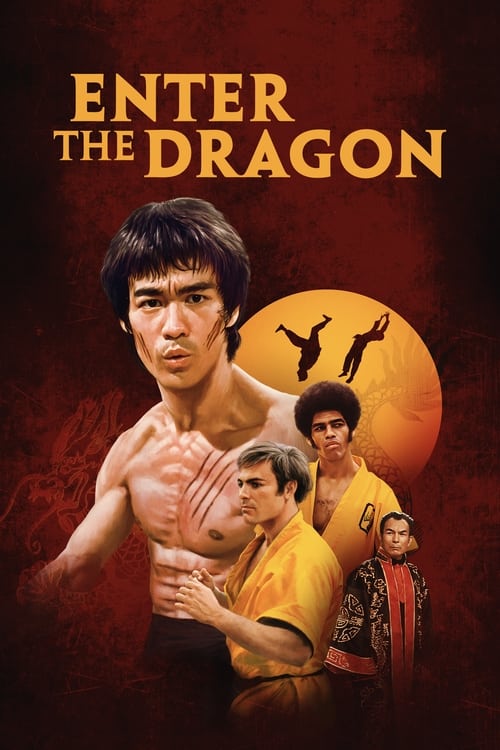
Enter the Dragon
A Shaolin monk travels to an island fortress to spy on an opium lord - who is also a former monk from his temple - under the guise of attending a martial arts tournament.
Despite its extremely modest budget of $850K, Enter the Dragon became a commercial juggernaut, earning $400.0M worldwide—a remarkable 46959% return. The film's compelling narrative resonated with audiences, demonstrating that strong storytelling can transcend budget limitations.


Plot Structure
Story beats plotted across runtime


Narrative Arc
Emotional journey through the story's key moments
Story Circle
Blueprint 15-beat structure
Characters
Cast & narrative archetypes
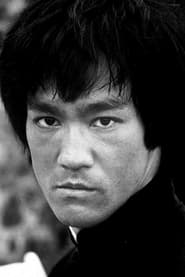
Lee

Roper
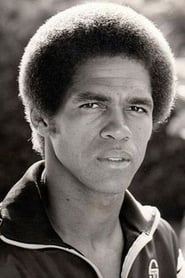
Williams

Han

Braithwaite

Oharra

Mei Ling
Bolo
Main Cast & Characters
Lee
Played by Bruce Lee
A Shaolin martial artist recruited by British intelligence to infiltrate a criminal warlord's tournament. Seeking justice for his sister's death while serving a greater mission.
Roper
Played by John Saxon
An American martial artist fleeing gambling debts who enters the tournament. Pragmatic survivor who becomes Lee's ally.
Williams
Played by Jim Kelly
An African-American martial artist and Vietnam veteran fighting against racial injustice. Lee's friend who joins the tournament.
Han
Played by Shih Kien
A rogue Shaolin monk turned crime lord who hosts a martial arts tournament as cover for his illegal operations. The primary antagonist.
Braithwaite
Played by Geoffrey Weeks
British intelligence agent who recruits Lee for the undercover mission to gather evidence against Han.
Oharra
Played by Robert Wall
Han's brutal enforcer and tournament participant. Responsible for the death of Lee's sister.
Mei Ling
Played by Betty Chung
An undercover agent working within Han's organization who assists Lee in his mission.
Bolo
Played by Bolo Yeung
Han's massive bodyguard and chief executioner. A silent but deadly enforcer.
Structural Analysis
The Status Quo at 1 minutes (1% through the runtime) establishes Lee demonstrates his martial arts mastery in a sparring match at the Shaolin temple, establishing him as a disciplined warrior and teacher living a life of honor and spiritual practice.. Of particular interest, this early placement immediately immerses viewers in the story world.
The inciting incident occurs at 12 minutes when Braithwaite reveals that Han is suspected of drug trafficking and prostitution, and that an agent died investigating him. Lee learns this is connected to his sister's death, making the mission personal.. At 12% through the film, this Disruption aligns precisely with traditional story structure. This beat shifts the emotional landscape, launching the protagonist into the central conflict.
The First Threshold at 25 minutes marks the transition into Act II, occurring at 25% of the runtime. This reveals the protagonist's commitment to Lee, Roper, and Williams board the boat to Han's island, crossing the water to enter the mysterious and dangerous world of the tournament. They leave civilization behind and commit to the competition., moving from reaction to action.
At 50 minutes, the Midpoint arrives at 49% of the runtime—precisely centered, creating perfect narrative symmetry. Structural examination shows that this crucial beat Lee is discovered during his reconnaissance and barely escapes. Han becomes suspicious and the stakes rise dramatically - this is no longer just a tournament but a deadly game of cat and mouse. False defeat: Lee's cover may be blown., fundamentally raising what's at risk. The emotional intensity shifts, dividing the narrative into clear before-and-after phases.
The Collapse moment at 75 minutes (74% through) represents the emotional nadir. Here, Lee discovers Williams's dead body, a direct whiff of death. Han knows there's a spy and is systematically eliminating threats. Lee realizes he's likely next and that his mission may have cost his friend's life., demonstrates the protagonist at their lowest point. This beat's placement in the final quarter sets up the climactic reversal.
The Second Threshold at 81 minutes initiates the final act resolution at 79% of the runtime. Han orders Lee to fight Roper to the death, but Roper refuses and joins Lee. Lee synthesizes his mission training with his spiritual martial arts philosophy, realizing he must openly confront Han to free the prisoners and stop the operation., demonstrating the transformation achieved throughout the journey.
Emotional Journey
Enter the Dragon's emotional architecture traces a deliberate progression across 15 carefully calibrated beats.
Narrative Framework
This structural analysis employs proven narrative structure principles that track dramatic progression. By mapping Enter the Dragon against these established plot points, we can identify how Robert Clouse utilizes or subverts traditional narrative conventions. The plot point approach reveals not only adherence to structural principles but also creative choices that distinguish Enter the Dragon within the action genre.
Robert Clouse's Structural Approach
Among the 3 Robert Clouse films analyzed on Arcplot, the average structural score is 7.3, reflecting strong command of classical structure. Enter the Dragon exemplifies the director's characteristic narrative technique. For comparative analysis, explore the complete Robert Clouse filmography.
Comparative Analysis
Additional action films include The Bad Guys, Puss in Boots and Venom: The Last Dance. For more Robert Clouse analyses, see Game of Death, The Big Brawl.
Plot Points by Act
Act I
SetupStatus Quo
Lee demonstrates his martial arts mastery in a sparring match at the Shaolin temple, establishing him as a disciplined warrior and teacher living a life of honor and spiritual practice.
Theme
Lee's mentor tells him "The enemy is only an illusion, the real enemy is within." This thematic statement about mastering oneself rather than defeating others becomes the film's philosophical core.
Worldbuilding
Establishes Lee's world as a martial artist and teacher, introduces Braithwaite who recruits Lee for British intelligence, reveals Han's criminal island operation, and shows flashbacks of Lee's sister's death at Han's men's hands.
Disruption
Braithwaite reveals that Han is suspected of drug trafficking and prostitution, and that an agent died investigating him. Lee learns this is connected to his sister's death, making the mission personal.
Resistance
Lee weighs the decision, receives his mission briefing, prepares for the journey. Other fighters (Roper and Williams) are introduced with their own motivations for attending Han's tournament, showing different paths to the same destination.
Act II
ConfrontationFirst Threshold
Lee, Roper, and Williams board the boat to Han's island, crossing the water to enter the mysterious and dangerous world of the tournament. They leave civilization behind and commit to the competition.
Mirror World
Lee meets and connects with other fighters, particularly bonding with Roper and Williams. These relationships will test and reinforce the film's themes about honor, survival, and what one is willing to do for victory.
Premise
The tournament begins and we see the "promise of the premise" - spectacular martial arts displays as Lee, Roper, and Williams compete. Lee begins his nighttime reconnaissance of Han's underground operation, discovering evidence of the criminal enterprise.
Midpoint
Lee is discovered during his reconnaissance and barely escapes. Han becomes suspicious and the stakes rise dramatically - this is no longer just a tournament but a deadly game of cat and mouse. False defeat: Lee's cover may be blown.
Opposition
Han tightens security and investigates the intruder. Williams is interrogated, tortured, and killed by Han. Roper is pressured to join Han's organization. Lee continues investigating while maintaining his fighter cover, but the danger intensifies with each move.
Collapse
Lee discovers Williams's dead body, a direct whiff of death. Han knows there's a spy and is systematically eliminating threats. Lee realizes he's likely next and that his mission may have cost his friend's life.
Crisis
Lee processes Williams's death and Han's complete control of the island. He must decide whether to continue fighting alone against Han's entire operation or retreat. He faces his darkest moment of doubt.
Act III
ResolutionSecond Threshold
Han orders Lee to fight Roper to the death, but Roper refuses and joins Lee. Lee synthesizes his mission training with his spiritual martial arts philosophy, realizing he must openly confront Han to free the prisoners and stop the operation.
Synthesis
Lee and Roper lead the prisoners in revolt. Lee fights through Han's guards and confronts Han in the hall of mirrors, using his master's lesson about illusion to defeat Han. The criminal operation is destroyed and the prisoners freed.
Transformation
Lee stands victorious having avenged his sister, completed his mission, and proven his philosophical approach to martial arts. He has internalized the lesson that "the enemy is within" by conquering his own desire for revenge through disciplined action.