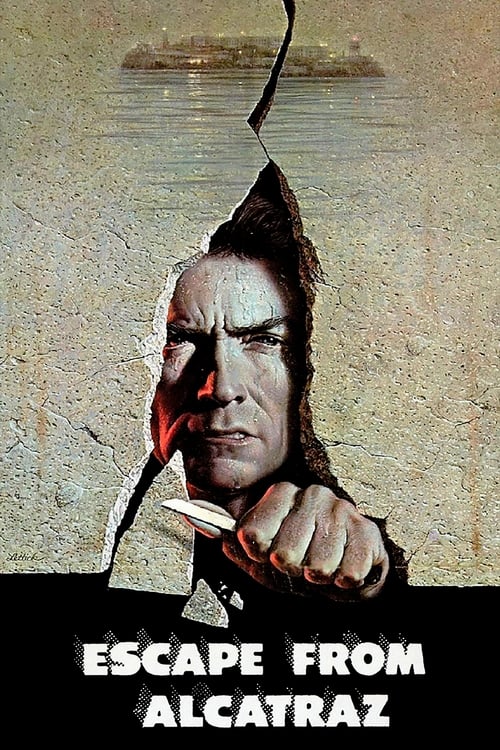
Escape from Alcatraz
San Francisco Bay, January 18, 1960. Frank Lee Morris is transferred to Alcatraz, a maximum security prison located on a rocky island. Although no one has ever managed to escape from there, Frank and other inmates begin to carefully prepare an escape plan.
Despite its limited budget of $8.0M, Escape from Alcatraz became a commercial success, earning $43.0M worldwide—a 438% return. The film's unconventional structure connected with viewers, showing that strong storytelling can transcend budget limitations.


Plot Structure
Story beats plotted across runtime


Narrative Arc
Emotional journey through the story's key moments
Story Circle
Blueprint 15-beat structure
Arcplot Score Breakdown
Weighted: Precision (70%) + Arc (15%) + Theme (15%)
Escape from Alcatraz (1979) exhibits carefully calibrated plot construction, characteristic of Don Siegel's storytelling approach. This structural analysis examines how the film's 15-point plot structure maps to proven narrative frameworks across 1 hour and 53 minutes. With an Arcplot score of 6.1, the film takes an unconventional approach to traditional narrative frameworks.
Characters
Cast & narrative archetypes
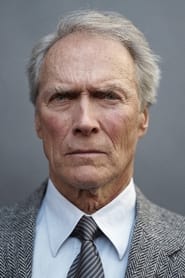
Frank Morris

Warden
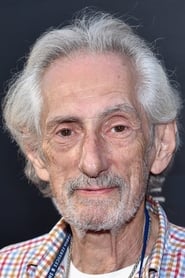
Charley Butts

John Anglin
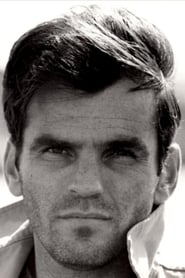
Clarence Anglin
Doc

English
Litmus
Main Cast & Characters
Frank Morris
Played by Clint Eastwood
Bank robber and mastermind who plans and executes the legendary escape from Alcatraz through meticulous observation and preparation.
Warden
Played by Patrick McGoohan
The authoritarian warden of Alcatraz who takes personal interest in breaking Morris's spirit and maintaining absolute control over the prison.
Charley Butts
Played by Larry Hankin
Fellow inmate and initial escape conspirator who ultimately loses his nerve and backs out of the plan.
John Anglin
Played by Fred Ward
One of the Anglin brothers who joins Morris in the escape plot, loyal and committed to getting out.
Clarence Anglin
Played by Jack Thibeau
John's brother and fellow escapee, works alongside Morris and his brother in the elaborate escape plan.
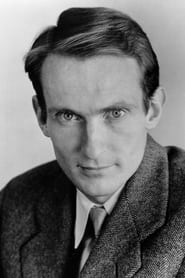
Doc
Played by Roberts Blossom
Elderly inmate and talented painter who befriends Morris but faces tragic consequences when the warden revokes his painting privileges.
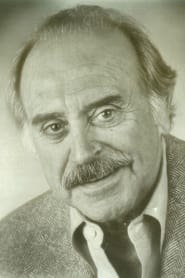
English
Played by Paul Benjamin
Educated inmate in the library who provides Morris with crucial information and assistance.
Litmus
Played by Frank Ronzio
Eccentric inmate obsessed with bugs and insects who provides comic relief and demonstrates the dehumanizing effects of long-term imprisonment.
Structural Analysis
The Status Quo at 1 minutes (1% through the runtime) establishes Frank Morris arrives at Alcatraz in chains, stripped and processed into the prison system. The opening establishes him as a hardened, isolated prisoner entering America's most escape-proof facility.. Notably, this early placement immediately immerses viewers in the story world.
The inciting incident occurs at 14 minutes when Morris discovers the concrete around the air vent in his cell is crumbling and weak. This discovery reveals a fundamental flaw in Alcatraz's "escape-proof" design, planting the seed that escape might be possible.. At 12% through the film, this Disruption aligns precisely with traditional story structure. This beat shifts the emotional landscape, launching the protagonist into the central conflict.
The First Threshold at 29 minutes marks the transition into Act II, occurring at 26% of the runtime. This reveals the protagonist's commitment to Morris makes the definitive choice to attempt escape and recruits the Anglin brothers as partners. This active decision commits him irrevocably to a dangerous plan that will dominate the rest of his time at Alcatraz., moving from reaction to action.
At 57 minutes, the Midpoint arrives at 50% of the runtime—precisely centered, creating perfect narrative symmetry. The analysis reveals that this crucial beat The conspirators successfully breach into the utility corridor behind their cells and gain access to the ventilation shaft leading to the roof. This false victory makes escape seem within reach, but it also raises the stakes as they're now fully committed and more exposed to discovery., fundamentally raising what's at risk. The emotional intensity shifts, dividing the narrative into clear before-and-after phases.
The Collapse moment at 84 minutes (74% through) represents the emotional nadir. Here, Doc's painting privileges are revoked by the Warden in an act of petty cruelty. Devastated and broken, Doc mutilates his own fingers, destroying his ability to paint. This "whiff of death" represents the murder of hope and the soul-crushing power of the system., shows the protagonist at their lowest point. This beat's placement in the final quarter sets up the climactic reversal.
The Second Threshold at 90 minutes initiates the final act resolution at 80% of the runtime. Morris and the Anglins make the final decision to execute the escape that night. Doc's destruction becomes the catalyst for urgent action. They synthesize all their preparation, tools, and courage into one irreversible commitment to freedom or death., demonstrating the transformation achieved throughout the journey.
Emotional Journey
Escape from Alcatraz's emotional architecture traces a deliberate progression across 15 carefully calibrated beats.
Narrative Framework
This structural analysis employs systematic plot point analysis that identifies crucial turning points. By mapping Escape from Alcatraz against these established plot points, we can identify how Don Siegel utilizes or subverts traditional narrative conventions. The plot point approach reveals not only adherence to structural principles but also creative choices that distinguish Escape from Alcatraz within the drama genre.
Don Siegel's Structural Approach
Among the 4 Don Siegel films analyzed on Arcplot, the average structural score is 6.9, demonstrating varied approaches to story architecture. Escape from Alcatraz takes a more unconventional approach compared to the director's typical style. For comparative analysis, explore the complete Don Siegel filmography.
Comparative Analysis
Additional drama films include After Thomas, South Pacific and Dirty Dancing: Havana Nights. For more Don Siegel analyses, see The Shootist, Dirty Harry and Two Mules for Sister Sara.
Plot Points by Act
Act I
SetupStatus Quo
Frank Morris arrives at Alcatraz in chains, stripped and processed into the prison system. The opening establishes him as a hardened, isolated prisoner entering America's most escape-proof facility.
Theme
Warden states: "No one has ever escaped from Alcatraz. And no one ever will." This thematic declaration frames the central question: can individual ingenuity and will overcome an absolute system of control?
Worldbuilding
Morris is introduced to the brutal routine of Alcatraz: the cold cells, the petty tyrannies of guards, the dehumanizing rules. We meet fellow inmates including the Anglin brothers, English, Litmus, and Doc. The rigid hierarchy and crushing monotony of prison life is established.
Disruption
Morris discovers the concrete around the air vent in his cell is crumbling and weak. This discovery reveals a fundamental flaw in Alcatraz's "escape-proof" design, planting the seed that escape might be possible.
Resistance
Morris carefully tests the ventilation system, explores the infrastructure during work details, and begins forming alliances. He debates internally whether to risk everything on an escape attempt. He observes patterns, studies guard routines, and acquires tools from the prison workshop.
Act II
ConfrontationFirst Threshold
Morris makes the definitive choice to attempt escape and recruits the Anglin brothers as partners. This active decision commits him irrevocably to a dangerous plan that will dominate the rest of his time at Alcatraz.
Mirror World
Doc, the prison painter and intellectual, becomes Morris's confidant and represents the thematic counterpoint: a man who has accepted his cage. Their evolving relationship explores whether hope and resistance or acceptance and resignation is the appropriate response to an oppressive system.
Premise
The "fun and games" of prison escape planning: Morris and the Anglins dig through their cell walls with makeshift tools, create dummy heads from soap and hair, steal raincoats to build flotation devices, and solve each technical challenge. We see the ingenuity and meticulous planning that makes the impossible seem achievable.
Midpoint
The conspirators successfully breach into the utility corridor behind their cells and gain access to the ventilation shaft leading to the roof. This false victory makes escape seem within reach, but it also raises the stakes as they're now fully committed and more exposed to discovery.
Opposition
Pressure intensifies as the Warden becomes increasingly suspicious and sadistic, particularly targeting Doc. Security tightens, work details are monitored more closely, and Charley Butts loses his nerve and backs out. Every obstacle seems designed to crush their hope as the window for escape narrows.
Collapse
Doc's painting privileges are revoked by the Warden in an act of petty cruelty. Devastated and broken, Doc mutilates his own fingers, destroying his ability to paint. This "whiff of death" represents the murder of hope and the soul-crushing power of the system.
Crisis
Morris processes Doc's collapse and confronts the reality that Alcatraz destroys men spiritually even if it doesn't kill them physically. He must decide whether to abandon the plan for safety or push forward knowing the cost of failure could be complete psychological annihilation.
Act III
ResolutionSecond Threshold
Morris and the Anglins make the final decision to execute the escape that night. Doc's destruction becomes the catalyst for urgent action. They synthesize all their preparation, tools, and courage into one irreversible commitment to freedom or death.
Synthesis
The escape sequence: placing dummies in beds, climbing through ventilation shafts, reaching the roof, descending the exterior, inflating their raft, and disappearing into the dark waters of San Francisco Bay. Every element of their plan is executed with precision as they navigate the final gauntlet.
Transformation
The alarm sounds at dawn revealing the empty cells and dummy heads. Guards search desperately. The final image shows Alcatraz from the water, massive and impregnable, as text reveals Morris and the Anglins were never found. The system was beaten; individual will triumphed over absolute control.