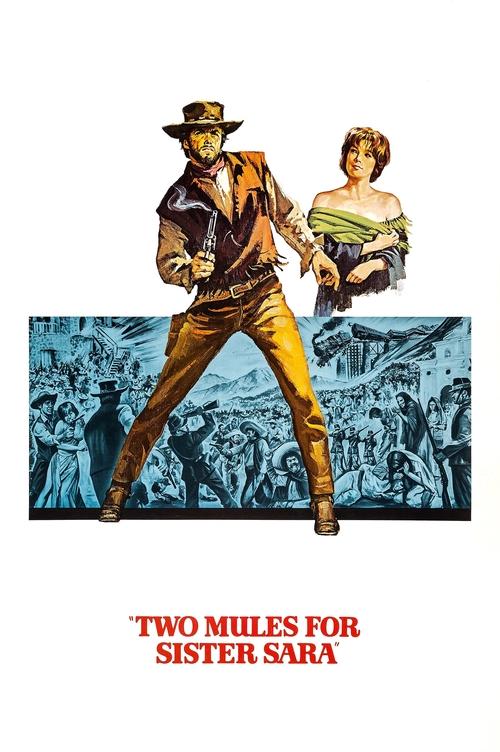
Two Mules for Sister Sara
When a wandering mercenary named Hogan rescues a nun called Sister Sara from the unwanted attentions of a band of rogues on the Mexican plains, he has no idea what he has let himself in for. Their chance encounter results in the blowing up of a train and a French garrison, as well as igniting a spark between them that survives a shocking discovery.
Despite its tight budget of $2.5M, Two Mules for Sister Sara became a commercial success, earning $5.0M worldwide—a 102% return.


Plot Structure
Story beats plotted across runtime


Narrative Arc
Emotional journey through the story's key moments
Story Circle
Blueprint 15-beat structure
Arcplot Score Breakdown
Weighted: Precision (70%) + Arc (15%) + Theme (15%)
Two Mules for Sister Sara (1970) exhibits meticulously timed plot construction, characteristic of Don Siegel's storytelling approach. This structural analysis examines how the film's 15-point plot structure maps to proven narrative frameworks across 1 hour and 54 minutes. With an Arcplot score of 7.0, the film balances conventional beats with creative variation.
Characters
Cast & narrative archetypes

Hogan
Sister Sara
Main Cast & Characters
Hogan
Played by Clint Eastwood
A mercenary gunfighter hired to help Mexican revolutionaries who reluctantly partners with a nun.
Sister Sara
Played by Shirley MacLaine
A woman posing as a nun who is actually a revolutionary helping the Juaristas against the French.
Structural Analysis
The Status Quo at 1 minutes (1% through the runtime) establishes Hogan, a lone mercenary gunfighter, rides through the Mexican desert during the French occupation. He's a solitary wanderer living by his wits and guns.. Structural examination shows that this early placement immediately immerses viewers in the story world.
The inciting incident occurs at 13 minutes when Sara manipulates Hogan into escorting her to the Juarista camp by suggesting French soldiers are pursuing them and she knows the location of the rebel forces.. At 11% through the film, this Disruption aligns precisely with traditional story structure. This beat shifts the emotional landscape, launching the protagonist into the central conflict.
The First Threshold at 28 minutes marks the transition into Act II, occurring at 25% of the runtime. This reveals the protagonist's commitment to Hogan makes an active choice to commit to helping Sara reach the rebel camp after learning the Juaristas will pay him to help destroy a French garrison., moving from reaction to action.
At 57 minutes, the Midpoint arrives at 50% of the runtime—precisely centered, creating perfect narrative symmetry. Notably, this crucial beat They reach the Juarista camp. Hogan commits to the plan to blow up the French garrison's ammunition dump. False victory - the mission seems achievable with rebel support, but stakes are raised., fundamentally raising what's at risk. The emotional intensity shifts, dividing the narrative into clear before-and-after phases.
The Collapse moment at 84 minutes (74% through) represents the emotional nadir. Here, During the assault on the French fort, the mission goes wrong. Hogan is captured and tortured by the French. Death seems imminent - both literal for Hogan and metaphorical for his mission., reveals the protagonist at their lowest point. This beat's placement in the final quarter sets up the climactic reversal.
The Second Threshold at 92 minutes initiates the final act resolution at 81% of the runtime. Sara reveals she's not actually a nun but a prostitute helping the revolution. This truth gives Hogan new perspective and resolve. He escapes and the mission can proceed with newfound clarity., demonstrating the transformation achieved throughout the journey.
Emotional Journey
Two Mules for Sister Sara's emotional architecture traces a deliberate progression across 15 carefully calibrated beats.
Narrative Framework
This structural analysis employs proven narrative structure principles that track dramatic progression. By mapping Two Mules for Sister Sara against these established plot points, we can identify how Don Siegel utilizes or subverts traditional narrative conventions. The plot point approach reveals not only adherence to structural principles but also creative choices that distinguish Two Mules for Sister Sara within the western genre.
Don Siegel's Structural Approach
Among the 4 Don Siegel films analyzed on Arcplot, the average structural score is 6.9, demonstrating varied approaches to story architecture. Two Mules for Sister Sara represents one of the director's most structurally precise works. For comparative analysis, explore the complete Don Siegel filmography.
Comparative Analysis
Additional western films include All the Pretty Horses, Shenandoah and Lone Star. For more Don Siegel analyses, see Escape from Alcatraz, The Shootist and Dirty Harry.
Plot Points by Act
Act I
SetupStatus Quo
Hogan, a lone mercenary gunfighter, rides through the Mexican desert during the French occupation. He's a solitary wanderer living by his wits and guns.
Theme
Sara discusses duty and faith versus self-interest, establishing the thematic tension between selfish survival and commitment to a higher cause.
Worldbuilding
Hogan rescues a nun (Sara) from attackers, establishing his mercenary nature, the Mexican revolutionary context, and the French occupation. Sara reveals she's heading to join Juarista rebels.
Disruption
Sara manipulates Hogan into escorting her to the Juarista camp by suggesting French soldiers are pursuing them and she knows the location of the rebel forces.
Resistance
Hogan reluctantly agrees to help Sara reach the Juaristas. They journey together through dangerous territory, with Hogan debating whether to abandon her. Sara tends his arrow wound.
Act II
ConfrontationFirst Threshold
Hogan makes an active choice to commit to helping Sara reach the rebel camp after learning the Juaristas will pay him to help destroy a French garrison.
Mirror World
Sara's character deepens as a thematic mirror - she represents faith, commitment, and sacrifice, contrasting with Hogan's mercenary cynicism. Their developing relationship becomes the B-story.
Premise
Hogan and Sara journey together, engaging in the "fun and games" of their odd-couple dynamic. Close calls with French patrols, Sara's resourcefulness despite her nun persona, and growing mutual respect.
Midpoint
They reach the Juarista camp. Hogan commits to the plan to blow up the French garrison's ammunition dump. False victory - the mission seems achievable with rebel support, but stakes are raised.
Opposition
Planning and executing the dangerous mission becomes complicated. French forces are more formidable than expected. Hogan's growing feelings for Sara conflict with his mercenary identity. Tension builds toward the assault.
Collapse
During the assault on the French fort, the mission goes wrong. Hogan is captured and tortured by the French. Death seems imminent - both literal for Hogan and metaphorical for his mission.
Crisis
Hogan endures torture. The dark night moment where his survival and the mission's success seem impossible. Sara and the rebels must act without him.
Act III
ResolutionSecond Threshold
Sara reveals she's not actually a nun but a prostitute helping the revolution. This truth gives Hogan new perspective and resolve. He escapes and the mission can proceed with newfound clarity.
Synthesis
Hogan and the Juaristas execute the final assault on the French garrison. Explosive finale combining Hogan's mercenary skills with his newfound commitment to something beyond payment. The ammunition dump is destroyed.
Transformation
Hogan parts ways with Sara, transformed from pure mercenary to someone capable of fighting for a cause. He accepts less payment than promised, showing his internal change. Sara rides off to continue her work.