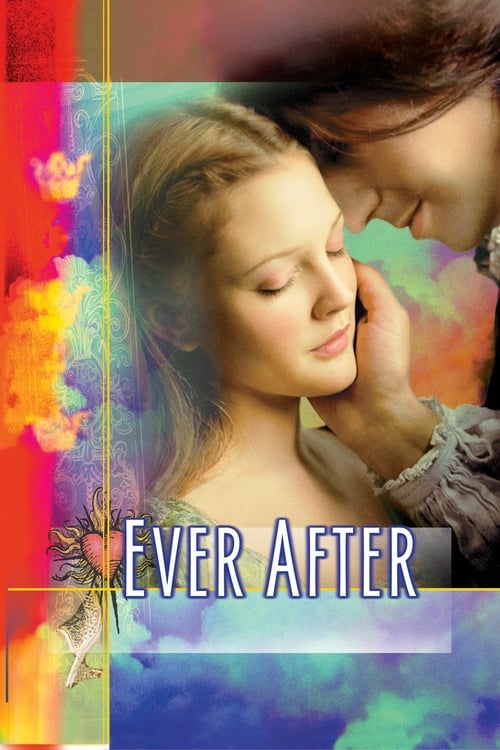
EverAfter
Danielle, a vibrant young woman is forced into servitude after the death of her father when she was a young girl. Danielle's stepmother Rodmilla is a heartless woman who forces Danielle to do the cooking and cleaning, while she tries to marry off the eldest of her two daughters to the prince. But Danielle's life takes a wonderful turn when, under the guise of a visiting royal, she meets the charming Prince Henry.
Despite a mid-range budget of $26.0M, EverAfter became a financial success, earning $98.0M worldwide—a 277% return.
6 wins & 15 nominations


Plot Structure
Story beats plotted across runtime


Narrative Arc
Emotional journey through the story's key moments
Story Circle
Blueprint 15-beat structure
Arcplot Score Breakdown
Weighted: Precision (70%) + Arc (15%) + Theme (15%)
EverAfter (1998) demonstrates deliberately positioned narrative architecture, characteristic of Andy Tennant's storytelling approach. This structural analysis examines how the film's 15-point plot structure maps to proven narrative frameworks across 2 hours and 1 minutes. With an Arcplot score of 7.4, the film balances conventional beats with creative variation.
Characters
Cast & narrative archetypes

Danielle de Barbarac
Prince Henry
Baroness Rodmilla de Ghent
Leonardo da Vinci
Marguerite de Ghent
Jacqueline de Ghent
Gustave
Main Cast & Characters
Danielle de Barbarac
Played by Drew Barrymore
A spirited servant girl who loses her father and is forced into servitude by her stepmother, but remains brave, intelligent, and fights for her independence.
Prince Henry
Played by Dougray Scott
The crown prince of France who feels trapped by duty and expectations, seeking authenticity and partnership rather than political marriage.
Baroness Rodmilla de Ghent
Played by Anjelica Huston
Danielle's cruel and calculating stepmother who prioritizes social climbing and her own daughters' advancement above all else.
Leonardo da Vinci
Played by Patrick Godfrey
The renowned artist and inventor who befriends Danielle and serves as her wise mentor and advocate.
Marguerite de Ghent
Played by Megan Dodds
Rodmilla's vain and spoiled elder daughter who competes with Danielle for the prince's attention.
Jacqueline de Ghent
Played by Melanie Lynskey
Rodmilla's younger daughter who is kind-hearted and sympathetic to Danielle, often caught between loyalty to her mother and doing what's right.
Gustave
Played by Jeroen Krabbé
A loyal servant and friend to Danielle who helps her throughout her struggles.
Structural Analysis
The Status Quo at 2 minutes (2% through the runtime) establishes Young Danielle enjoys an idyllic childhood with her loving father, reading Utopia together. She is happy, curious, and cherished.. Significantly, this early placement immediately immerses viewers in the story world.
The inciting incident occurs at 14 minutes when Danielle impersonates a courtier to save her friend Maurice from being shipped to the Americas. She boldly confronts Prince Henry, bribing him with gold to free Maurice. Henry is intrigued by this outspoken "lady.".. At 12% through the film, this Disruption aligns precisely with traditional story structure. This beat shifts the emotional landscape, launching the protagonist into the central conflict.
The First Threshold at 30 minutes marks the transition into Act II, occurring at 25% of the runtime. This demonstrates the protagonist's commitment to Danielle actively chooses to attend the masque ball in her mother's dress and her mother's name (Comtesse Nicole de Lancret), fully committing to the courtier deception. This is her irreversible choice to enter the world of nobility and romance with Henry., moving from reaction to action.
At 62 minutes, the Midpoint arrives at 51% of the runtime—precisely centered, creating perfect narrative symmetry. Significantly, this crucial beat False victory: Henry proposes to Danielle at the monastery, declaring he will defy his parents to marry her. She is overwhelmed with joy but also fear—the stakes have risen dramatically. The proposal forces her to confront that her deception must be revealed. Everything now depends on the truth coming out., fundamentally raising what's at risk. The emotional intensity shifts, dividing the narrative into clear before-and-after phases.
The Collapse moment at 89 minutes (74% through) represents the emotional nadir. Here, Henry coldly rejects Danielle: "You were born an enchantress, or you were made one... I no longer know which, and I no longer care." He turns his back on her in front of the entire court. Danielle is humiliated, heartbroken, and stripped of everything—her identity, her love, her dignity. Whiff of death: the death of her dream, her hope, and her belief in herself., shows the protagonist at their lowest point. This beat's placement in the final quarter sets up the climactic reversal.
The Second Threshold at 96 minutes initiates the final act resolution at 80% of the runtime. Synthesis moment: Danielle rescues herself. Using her wit and strength, she threatens Le Pieu with a sword and frees herself from the dungeon. She no longer needs rescue—she IS the hero. This realization of her own worth, independent of Henry or anyone else, gives her the power to complete her journey., demonstrating the transformation achieved throughout the journey.
Emotional Journey
EverAfter's emotional architecture traces a deliberate progression across 15 carefully calibrated beats.
Narrative Framework
This structural analysis employs structural analysis methodology used to understand storytelling architecture. By mapping EverAfter against these established plot points, we can identify how Andy Tennant utilizes or subverts traditional narrative conventions. The plot point approach reveals not only adherence to structural principles but also creative choices that distinguish EverAfter within the drama genre.
Andy Tennant's Structural Approach
Among the 8 Andy Tennant films analyzed on Arcplot, the average structural score is 7.2, reflecting strong command of classical structure. EverAfter represents one of the director's most structurally precise works. For comparative analysis, explore the complete Andy Tennant filmography.
Comparative Analysis
Additional drama films include After Thomas, South Pacific and Dirty Dancing: Havana Nights. For more Andy Tennant analyses, see Hitch, It Takes Two and Fool's Gold.
Plot Points by Act
Act I
SetupStatus Quo
Young Danielle enjoys an idyllic childhood with her loving father, reading Utopia together. She is happy, curious, and cherished.
Theme
The Grande Dame tells the Brothers Grimm: "A servant girl who captures a prince's heart through her courage and honesty... not slippers." Theme stated: true worth comes from character, not station.
Worldbuilding
Danielle's father dies suddenly after bringing home her stepmother Rodmilla and stepsisters. Ten years pass. Danielle is now a servant in her own home, treated as property by Rodmilla. She works the estate, serves her stepfamily, yet maintains her spirit and reads her father's books in secret.
Disruption
Danielle impersonates a courtier to save her friend Maurice from being shipped to the Americas. She boldly confronts Prince Henry, bribing him with gold to free Maurice. Henry is intrigued by this outspoken "lady."
Resistance
Danielle debates internally whether to continue the deception. She encounters Henry again when he steals her father's horse. They spar intellectually about class and duty. Rodmilla parades Marguerite before the Queen. Danielle must navigate dual identities: servant at home, "Comtesse Nicole de Lancret" when she encounters Henry.
Act II
ConfrontationFirst Threshold
Danielle actively chooses to attend the masque ball in her mother's dress and her mother's name (Comtesse Nicole de Lancret), fully committing to the courtier deception. This is her irreversible choice to enter the world of nobility and romance with Henry.
Mirror World
Henry and Danielle connect deeply at the masque. They discuss books, ideals, and philosophy. Leonardo da Vinci observes and begins mentoring Danielle, seeing her true nobility. This relationship carries the theme: da Vinci represents wisdom that recognizes worth beyond titles.
Premise
The promise of the premise: Danielle and Henry fall in love across multiple encounters. She saves him from gypsies, they discuss Utopia and idealism, they tour da Vinci's workshop. Henry begins to challenge the monarchy's assumptions. Danielle lives the adventure of being courted as an equal, experiencing the romance and intellectual connection she craved. The audience enjoys watching Cinderella outsmart everyone while winning the prince's heart through wit, not magic.
Midpoint
False victory: Henry proposes to Danielle at the monastery, declaring he will defy his parents to marry her. She is overwhelmed with joy but also fear—the stakes have risen dramatically. The proposal forces her to confront that her deception must be revealed. Everything now depends on the truth coming out.
Opposition
Pressure intensifies from all sides. Rodmilla discovers Danielle's deception and schemes to expose her. The royal court plans Henry's marriage to the Spanish princess. Danielle tries to confess to Henry but is interrupted. Rodmilla makes a devil's bargain: silence in exchange for Danielle becoming a true servant forever. At the royal ball, Rodmilla publicly exposes Danielle as "just a servant" in front of Henry, the court, and the Spanish delegation.
Collapse
Henry coldly rejects Danielle: "You were born an enchantress, or you were made one... I no longer know which, and I no longer care." He turns his back on her in front of the entire court. Danielle is humiliated, heartbroken, and stripped of everything—her identity, her love, her dignity. Whiff of death: the death of her dream, her hope, and her belief in herself.
Crisis
Danielle's dark night. Rodmilla sells her to the vile Pierre Le Pieu to settle debts. Danielle is imprisoned, devastated, and seemingly without hope. She processes her loss and despair in the dungeon. Henry, meanwhile, begins to realize his mistake through da Vinci's guidance, but doesn't yet act.
Act III
ResolutionSecond Threshold
Synthesis moment: Danielle rescues herself. Using her wit and strength, she threatens Le Pieu with a sword and frees herself from the dungeon. She no longer needs rescue—she IS the hero. This realization of her own worth, independent of Henry or anyone else, gives her the power to complete her journey.
Synthesis
Henry arrives to rescue Danielle, but she's already saved herself. He kneels before her, apologizing and declaring his love for her true self. He returns her father's book and her glass slipper. Danielle confronts Rodmilla, claiming her father's legacy and freeing herself from servitude. She and Henry unite as equals. The King and Queen accept her. Justice is served: Rodmilla and Marguerite are reduced to servants, while Jacqueline is freed.
Transformation
The Grande Dame reveals herself as the elderly Danielle, now royalty, showing the Brothers Grimm the glass slipper and her mother's portrait as proof. The girl who began as a servant became a princess through her own courage and character. Final image: Danielle and Henry walk together as equals, laughing—transformed from servant and prince to partners in life.