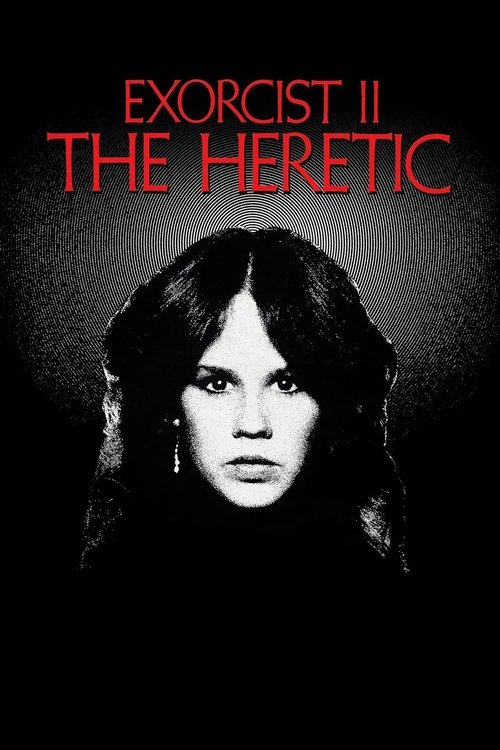
Exorcist II: The Heretic
Bizarre nightmares plague Regan MacNeil four years after her possession and exorcism. Has the demon returned? And if so, can the combined faith and knowledge of a Vatican investigator and a research specialist free her from its grasp?
Despite its tight budget of $14.0M, Exorcist II: The Heretic became a financial success, earning $30.7M worldwide—a 120% return.


Plot Structure
Story beats plotted across runtime


Narrative Arc
Emotional journey through the story's key moments
Story Circle
Blueprint 15-beat structure
Arcplot Score Breakdown
Weighted: Precision (70%) + Arc (15%) + Theme (15%)
Exorcist II: The Heretic (1977) reveals meticulously timed dramatic framework, characteristic of John Boorman's storytelling approach. This structural analysis examines how the film's 15-point plot structure maps to proven narrative frameworks across 1 hour and 58 minutes. With an Arcplot score of 7.0, the film balances conventional beats with creative variation.
Characters
Cast & narrative archetypes

Regan MacNeil

Father Philip Lamont

Dr. Gene Tuskin

Pazuzu
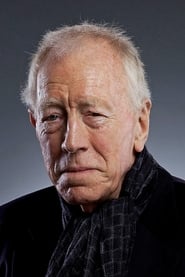
Father Lankester Merrin
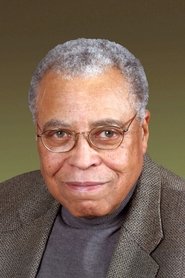
Kokumo
Main Cast & Characters
Regan MacNeil
Played by Linda Blair
Now teenage survivor of demonic possession, undergoing psychiatric treatment to understand her trauma
Father Philip Lamont
Played by Richard Burton
Jesuit priest investigating the death of Father Merrin, seeking to understand the demon Pazuzu
Dr. Gene Tuskin
Played by Louise Fletcher
Psychiatrist treating Regan using experimental hypnosis technology to access repressed memories
Pazuzu
Played by Multiple Performers
Ancient demon that possessed Regan, embodiment of evil seeking to corrupt and destroy
Father Lankester Merrin
Played by Max von Sydow
Deceased exorcist whose past confrontation with Pazuzu in Africa holds the key to understanding the demon
Kokumo
Played by James Earl Jones
Ethiopian priest and healer who was possessed by Pazuzu as a boy and saved by Father Merrin
Structural Analysis
The Status Quo at 1 minutes (1% through the runtime) establishes Father Lamont performs an exorcism in South America that goes tragically wrong when the possessed woman immolates herself, establishing his crisis of faith and the dangerous nature of his calling.. Structural examination shows that this early placement immediately immerses viewers in the story world.
The inciting incident occurs at 14 minutes when Father Lamont arrives at the psychiatric institute and first encounters Regan, who has repressed all memories of her possession. Dr. Tuskin introduces the synchronizer device that will become central to unraveling the mystery.. At 12% through the film, this Disruption aligns precisely with traditional story structure. This beat shifts the emotional landscape, launching the protagonist into the central conflict.
The First Threshold at 30 minutes marks the transition into Act II, occurring at 25% of the runtime. This illustrates the protagonist's commitment to Lamont uses the synchronizer to link minds with Regan and experiences a terrifying vision of the original exorcism, making direct contact with the demon Pazuzu. He commits fully to understanding what happened to Merrin., moving from reaction to action.
At 59 minutes, the Midpoint arrives at 50% of the runtime—precisely centered, creating perfect narrative symmetry. Notably, this crucial beat Lamont finds the adult Kokumo in Africa, who reveals that certain individuals possess a special goodness that Pazuzu seeks to corrupt. Lamont believes he has found the key to saving Regan and defeating the demon permanently., fundamentally raising what's at risk. The emotional intensity shifts, dividing the narrative into clear before-and-after phases.
The Collapse moment at 89 minutes (75% through) represents the emotional nadir. Here, Lamont falls under Pazuzu's seductive influence during a synchronizer session, nearly succumbing to the demon's power. Regan's evil self fully manifests, and it appears the demon has won—corrupting the very priest sent to investigate., demonstrates the protagonist at their lowest point. This beat's placement in the final quarter sets up the climactic reversal.
The Second Threshold at 94 minutes initiates the final act resolution at 80% of the runtime. Regan's innate goodness—the very quality Pazuzu sought to corrupt—breaks through. She calls Lamont back from the demon's control, and together they realize they must return to the Georgetown house to confront Pazuzu at the site of his previous defeat., demonstrating the transformation achieved throughout the journey.
Emotional Journey
Exorcist II: The Heretic's emotional architecture traces a deliberate progression across 15 carefully calibrated beats.
Narrative Framework
This structural analysis employs systematic plot point analysis that identifies crucial turning points. By mapping Exorcist II: The Heretic against these established plot points, we can identify how John Boorman utilizes or subverts traditional narrative conventions. The plot point approach reveals not only adherence to structural principles but also creative choices that distinguish Exorcist II: The Heretic within the horror genre.
John Boorman's Structural Approach
Among the 5 John Boorman films analyzed on Arcplot, the average structural score is 7.1, reflecting strong command of classical structure. Exorcist II: The Heretic takes a more unconventional approach compared to the director's typical style. For comparative analysis, explore the complete John Boorman filmography.
Comparative Analysis
Additional horror films include Thinner, A Nightmare on Elm Street and Mary Reilly. For more John Boorman analyses, see Beyond Rangoon, Deliverance and The Tailor of Panama.
Plot Points by Act
Act I
SetupStatus Quo
Father Lamont performs an exorcism in South America that goes tragically wrong when the possessed woman immolates herself, establishing his crisis of faith and the dangerous nature of his calling.
Theme
The Cardinal tells Lamont that Father Merrin's writings are being considered heretical, stating that evil is a spiritual sickness that must be understood to be defeated, introducing the film's theme of confronting evil through knowledge rather than blind faith.
Worldbuilding
The world is established across two planes: Lamont receives his mission to investigate Merrin's death in Rome, while in New York, Regan works with Dr. Tuskin at a psychiatric institute, seemingly recovered but still connected to something dark.
Disruption
Father Lamont arrives at the psychiatric institute and first encounters Regan, who has repressed all memories of her possession. Dr. Tuskin introduces the synchronizer device that will become central to unraveling the mystery.
Resistance
Lamont debates his approach with Dr. Tuskin, who is skeptical of supernatural explanations. He learns about the synchronizer and witnesses Regan's unusual abilities while struggling with his own doubts about continuing Merrin's work.
Act II
ConfrontationFirst Threshold
Lamont uses the synchronizer to link minds with Regan and experiences a terrifying vision of the original exorcism, making direct contact with the demon Pazuzu. He commits fully to understanding what happened to Merrin.
Mirror World
Through the synchronizer visions, Lamont discovers Kokumo, an African boy Merrin once exorcised who now serves as a healer. Kokumo represents the possibility of surviving possession and using that experience for good, mirroring Regan's potential path.
Premise
Lamont explores the supernatural realm through repeated synchronizer sessions with Regan, experiencing visions of Africa, locusts, and Merrin's past. He travels to Africa to find Kokumo while Regan's psychic abilities intensify dangerously.
Midpoint
Lamont finds the adult Kokumo in Africa, who reveals that certain individuals possess a special goodness that Pazuzu seeks to corrupt. Lamont believes he has found the key to saving Regan and defeating the demon permanently.
Opposition
Pazuzu's influence grows stronger as Lamont returns from Africa. Regan begins manifesting her evil doppelganger, and the demon works to seduce Lamont himself. Dr. Tuskin becomes endangered, and the supernatural threat spreads beyond Regan.
Collapse
Lamont falls under Pazuzu's seductive influence during a synchronizer session, nearly succumbing to the demon's power. Regan's evil self fully manifests, and it appears the demon has won—corrupting the very priest sent to investigate.
Crisis
With Lamont compromised and Regan split between her good and evil selves, the situation seems hopeless. Sharon, Regan's guardian, becomes possessed and sets herself on fire, echoing the opening tragedy and marking the demon's apparent victory.
Act III
ResolutionSecond Threshold
Regan's innate goodness—the very quality Pazuzu sought to corrupt—breaks through. She calls Lamont back from the demon's control, and together they realize they must return to the Georgetown house to confront Pazuzu at the site of his previous defeat.
Synthesis
Lamont and Regan travel to the original Georgetown house, now surrounded by locusts. In a climactic confrontation, Regan faces her demonic double while Lamont battles Pazuzu, using the knowledge gained from Kokumo and faith renewed by Regan's goodness.
Transformation
Regan destroys her evil doppelganger and Lamont tears out Pazuzu's heart. They walk away from the burning Georgetown house together, both transformed—Lamont's faith restored and Regan fully liberated from the demon's influence at last.