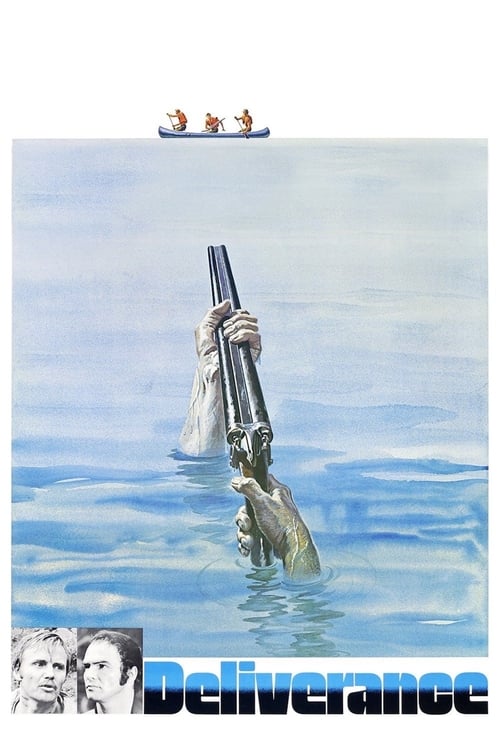
Deliverance
Intent on seeing the Cahulawassee River before it's turned into one huge lake, outdoor fanatic Lewis Medlock takes his friends on a river-rafting trip they'll never forget into the dangerous American back-country.
Despite its small-scale budget of $2.0M, Deliverance became a commercial juggernaut, earning $46.1M worldwide—a remarkable 2206% return. The film's innovative storytelling engaged audiences, proving that strong storytelling can transcend budget limitations.
Nominated for 3 Oscars. 2 wins & 14 nominations


Plot Structure
Story beats plotted across runtime


Narrative Arc
Emotional journey through the story's key moments
Story Circle
Blueprint 15-beat structure
Arcplot Score Breakdown
Weighted: Precision (70%) + Arc (15%) + Theme (15%)
Deliverance (1972) showcases strategically placed narrative architecture, characteristic of John Boorman's storytelling approach. This structural analysis examines how the film's 15-point plot structure maps to proven narrative frameworks across 1 hour and 49 minutes. With an Arcplot score of 7.1, the film balances conventional beats with creative variation.
Characters
Cast & narrative archetypes

Ed Gentry
Lewis Medlock
Bobby Trippe
Drew Ballinger
Main Cast & Characters
Ed Gentry
Played by Jon Voight
Suburban family man and advertising executive who emerges as the quiet leader when survival becomes necessary.
Lewis Medlock
Played by Burt Reynolds
Alpha-male outdoorsman obsessed with self-reliance and survivalism who organizes the ill-fated canoe trip.
Bobby Trippe
Played by Ned Beatty
Soft, insurance salesman and the most vulnerable member of the group who suffers brutal assault.
Drew Ballinger
Played by Ronny Cox
Gentle, guitar-playing family man and moral conscience of the group who opposes violence.
Structural Analysis
The Status Quo at 1 minutes (1% through the runtime) establishes Ed Gentry in suburban Atlanta, photographing models for his advertising job. Safe, civilized, controlled environment representing his comfortable but unfulfilled existence.. Of particular interest, this early placement immediately immerses viewers in the story world.
The inciting incident occurs at 12 minutes when The old man at the gas station warns them about the river and the locals. Ominous tone shift as they leave civilization behind, driving into increasingly remote wilderness.. At 11% through the film, this Disruption aligns precisely with traditional story structure. This beat shifts the emotional landscape, launching the protagonist into the central conflict.
The First Threshold at 27 minutes marks the transition into Act II, occurring at 25% of the runtime. This indicates the protagonist's commitment to Ed and Bobby pull ashore and separate from Lewis and Drew. They commit to going deeper into the wilderness, point of no return as they leave the safety of the group., moving from reaction to action.
At 53 minutes, the Midpoint arrives at 49% of the runtime—precisely centered, creating perfect narrative symmetry. Notably, this crucial beat Drew either falls or is shot from the cliff as they enter dangerous rapids. The canoes capsize in the violent whitewater. Lewis breaks his leg compound fracture. False defeat: the surviving mountain man still hunts them, their leader is incapacitated, and they're trapped in the gorge., fundamentally raising what's at risk. The emotional intensity shifts, dividing the narrative into clear before-and-after phases.
The Collapse moment at 81 minutes (74% through) represents the emotional nadir. Here, Ed confronts the mountain man on the cliff at dawn. In the struggle, Ed is impaled by his own arrow through the side but manages to kill the sniper. Whiff of death: Ed is severely wounded, nearly falls from cliff, must climb down broken., illustrates the protagonist at their lowest point. This beat's placement in the final quarter sets up the climactic reversal.
The Second Threshold at 86 minutes initiates the final act resolution at 79% of the runtime. The survivors commit to the cover story: they were in a canoe accident, Drew drowned. They break Lewis's canoe to support the lie. Total synthesis of both worlds: using civilization's tools (deception) with wilderness ruthlessness (survival at all costs)., demonstrating the transformation achieved throughout the journey.
Emotional Journey
Deliverance's emotional architecture traces a deliberate progression across 15 carefully calibrated beats.
Narrative Framework
This structural analysis employs proven narrative structure principles that track dramatic progression. By mapping Deliverance against these established plot points, we can identify how John Boorman utilizes or subverts traditional narrative conventions. The plot point approach reveals not only adherence to structural principles but also creative choices that distinguish Deliverance within the drama genre.
John Boorman's Structural Approach
Among the 5 John Boorman films analyzed on Arcplot, the average structural score is 7.1, reflecting strong command of classical structure. Deliverance represents one of the director's most structurally precise works. For comparative analysis, explore the complete John Boorman filmography.
Comparative Analysis
Additional drama films include After Thomas, South Pacific and Dirty Dancing: Havana Nights. For more John Boorman analyses, see Exorcist II: The Heretic, Beyond Rangoon and The Tailor of Panama.
Plot Points by Act
Act I
SetupStatus Quo
Ed Gentry in suburban Atlanta, photographing models for his advertising job. Safe, civilized, controlled environment representing his comfortable but unfulfilled existence.
Theme
Lewis declares "Sometimes you have to lose yourself before you can find anything" as they prepare for the trip. Theme of primal masculinity vs civilization, testing oneself against nature.
Worldbuilding
Introduction of four Atlanta businessmen: Ed, Lewis (survivalist), Bobby (soft suburbanite), Drew (moral compass). They plan a canoe trip down the Cahulawassee River before it's dammed. Encounter with the Dueling Banjos scene establishes cultural divide between city men and locals.
Disruption
The old man at the gas station warns them about the river and the locals. Ominous tone shift as they leave civilization behind, driving into increasingly remote wilderness.
Resistance
Preparation and debate about the journey. Lewis demonstrates survival skills and machismo. The men arrange for car pickup downstream. They push off in canoes, initial excitement as they navigate rapids and enjoy the wilderness. Bobby shows reluctance and fear.
Act II
ConfrontationFirst Threshold
Ed and Bobby pull ashore and separate from Lewis and Drew. They commit to going deeper into the wilderness, point of no return as they leave the safety of the group.
Mirror World
Ed and Bobby encounter the two mountain men. The brutal rape of Bobby and threat to Ed represents the complete inversion of civilized order - the mirror world where their suburban values mean nothing.
Premise
The men must survive in hostile wilderness. Lewis kills one attacker with bow and arrow; the group debates what to do with the body. They decide to hide it and tell no one, binding them in shared guilt. Drew argues for reporting it, but is overruled. They bury the body and continue downriver.
Midpoint
Drew either falls or is shot from the cliff as they enter dangerous rapids. The canoes capsize in the violent whitewater. Lewis breaks his leg compound fracture. False defeat: the surviving mountain man still hunts them, their leader is incapacitated, and they're trapped in the gorge.
Opposition
Ed must become what Lewis was - the hunter and protector. He takes the bow and climbs the cliff at night to find the sniper before dawn. Bobby tends to the delirious Lewis. Ed stalks through the wilderness, transformed from suburban ad man to primitive hunter.
Collapse
Ed confronts the mountain man on the cliff at dawn. In the struggle, Ed is impaled by his own arrow through the side but manages to kill the sniper. Whiff of death: Ed is severely wounded, nearly falls from cliff, must climb down broken.
Crisis
Ed pulls the arrow from his own body, descends the cliff in agony. They weight the second body with rocks and sink it. They find Drew's body, debate again, decide to sink him too. The darkest moment: they've become what they fought, hiding bodies, lying.
Act III
ResolutionSecond Threshold
The survivors commit to the cover story: they were in a canoe accident, Drew drowned. They break Lewis's canoe to support the lie. Total synthesis of both worlds: using civilization's tools (deception) with wilderness ruthlessness (survival at all costs).
Synthesis
They navigate final rapids to reach Aintry. Sheriff interrogates them, deeply suspicious. Ed and Bobby maintain the lie despite scrutiny. Lewis is hospitalized. The dam will flood the valley, hiding all evidence. The modern world (the dam) destroys the primal world (the river), but the men carry the secret.
Transformation
Ed back in suburban bed with his wife, wakes from nightmare of a hand rising from the lake. He is physically home but psychologically transformed - haunted, knowing the savage capacity within himself. The civilized world restored but forever changed by what he learned in the wilderness.