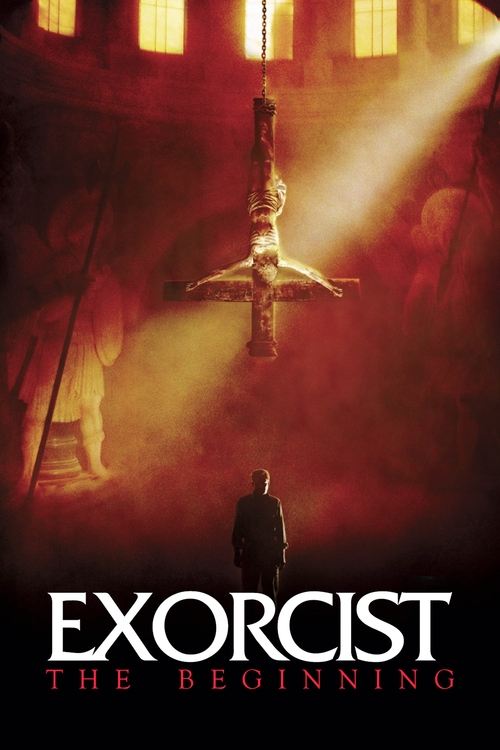
Exorcist: The Beginning
Years before Father Merrin helped save Regan MacNeil’s soul, he first encounters the demon Pazuzu in East Africa.
The film underperformed commercially against its considerable budget of $80.0M, earning $78.0M globally (-2% loss).


Plot Structure
Story beats plotted across runtime


Narrative Arc
Emotional journey through the story's key moments
Story Circle
Blueprint 15-beat structure
Arcplot Score Breakdown
Weighted: Precision (70%) + Arc (15%) + Theme (15%)
Exorcist: The Beginning (2004) exemplifies strategically placed plot construction, characteristic of Renny Harlin's storytelling approach. This structural analysis examines how the film's 15-point plot structure maps to proven narrative frameworks across 1 hour and 54 minutes. With an Arcplot score of 7.1, the film balances conventional beats with creative variation.
Characters
Cast & narrative archetypes

Father Lankester Merrin
Sarah Novak
Father Francis
Major Granville
Chuma
Main Cast & Characters
Father Lankester Merrin
Played by Stellan Skarsgård
A former priest turned archaeologist who lost his faith during WWII atrocities, now confronting ancient evil in East Africa.
Sarah Novak
Played by Izabella Scorupco
A medical doctor and Holocaust survivor working at a British hospital in Kenya, seeking to help others while processing her trauma.
Father Francis
Played by James D'Arcy
A young idealistic priest assigned to consecrate the newly discovered church, unprepared for the evil he will face.
Major Granville
Played by Julian Wadham
A British military officer maintaining colonial order in Kenya, skeptical of supernatural explanations.
Chuma
Played by Remy Sweeney
A young African boy possessed by the demon Pazuzu, becoming the focal point of supernatural horror.
Structural Analysis
The Status Quo at 1 minutes (1% through the runtime) establishes Cairo, 1949. Father Lankester Merrin has abandoned his faith, working as an archaeologist after Nazi atrocities forced him to choose which parishioners would die. He drinks alone, haunted and spiritually dead.. The analysis reveals that this early placement immediately immerses viewers in the story world.
The inciting incident occurs at 14 minutes when Merrin arrives at the excavation site in Turkana, Kenya, and sees the buried church. The moment he looks upon it, something ancient and evil stirs. A young boy named Cheche exhibits the first signs of demonic possession.. At 12% through the film, this Disruption aligns precisely with traditional story structure. This beat shifts the emotional landscape, launching the protagonist into the central conflict.
The First Threshold at 29 minutes marks the transition into Act II, occurring at 26% of the runtime. This shows the protagonist's commitment to Merrin chooses to fully excavate the church despite warnings from the Turkana people and mounting evidence of supernatural evil. He crosses the threshold from archaeological curiosity into spiritual warfare, though he doesn't yet recognize it., moving from reaction to action.
At 57 minutes, the Midpoint arrives at 50% of the runtime—precisely centered, creating perfect narrative symmetry. Structural examination shows that this crucial beat Cheche, fully possessed, kills his own family and others in the village. The demon's power is undeniable. Merrin realizes this is not archaeology but a spiritual battle, and his loss of faith has left him defenseless. False defeat: he cannot fight what he no longer believes in., fundamentally raising what's at risk. The emotional intensity shifts, dividing the narrative into clear before-and-after phases.
The Collapse moment at 86 minutes (75% through) represents the emotional nadir. Here, Sarah is taken by the possessed Cheche into the church. The demon offers Merrin the same choice the Nazis did: sacrifice the innocent or watch everyone die. His faith is dead, Father Francis is dead, and the demon seems to have won. Whiff of death: his soul itself is dying., indicates the protagonist at their lowest point. This beat's placement in the final quarter sets up the climactic reversal.
The Second Threshold at 91 minutes initiates the final act resolution at 80% of the runtime. Merrin chooses faith. Not because evil doesn't exist, but because it does. He reclaims his priesthood and his collar, understanding that faith isn't the absence of doubt but the choice to believe despite it. He picks up the tools of exorcism with renewed conviction., demonstrating the transformation achieved throughout the journey.
Emotional Journey
Exorcist: The Beginning's emotional architecture traces a deliberate progression across 15 carefully calibrated beats.
Narrative Framework
This structural analysis employs systematic plot point analysis that identifies crucial turning points. By mapping Exorcist: The Beginning against these established plot points, we can identify how Renny Harlin utilizes or subverts traditional narrative conventions. The plot point approach reveals not only adherence to structural principles but also creative choices that distinguish Exorcist: The Beginning within the horror genre.
Renny Harlin's Structural Approach
Among the 16 Renny Harlin films analyzed on Arcplot, the average structural score is 7.3, reflecting strong command of classical structure. Exorcist: The Beginning takes a more unconventional approach compared to the director's typical style. For comparative analysis, explore the complete Renny Harlin filmography.
Comparative Analysis
Additional horror films include Thinner, A Nightmare on Elm Street and Mary Reilly. For more Renny Harlin analyses, see Cutthroat Island, Mindhunters and The Legend of Hercules.
Plot Points by Act
Act I
SetupStatus Quo
Cairo, 1949. Father Lankester Merrin has abandoned his faith, working as an archaeologist after Nazi atrocities forced him to choose which parishioners would die. He drinks alone, haunted and spiritually dead.
Theme
Semelier, the collector, tells Merrin: "Sometimes we must do evil things for a greater good." The film's central question: Can faith survive in a world that demands moral compromise?
Worldbuilding
Merrin is recruited to find a Christian Byzantine church inexplicably buried in pristine condition in Kenya. We learn of his trauma during WWII, his loss of faith, and the mysterious circumstances surrounding the discovery. British colonial tensions and local tribal conflicts are established.
Disruption
Merrin arrives at the excavation site in Turkana, Kenya, and sees the buried church. The moment he looks upon it, something ancient and evil stirs. A young boy named Cheche exhibits the first signs of demonic possession.
Resistance
Merrin resists spiritual interpretation of strange events. He meets Sarah, a doctor haunted by her own Holocaust trauma, and Father Francis, a young priest who still believes. Tensions rise between British soldiers and the Turkana tribe. Strange occurrences multiply: hyenas attack, workers go mad, and Cheche's condition worsens.
Act II
ConfrontationFirst Threshold
Merrin chooses to fully excavate the church despite warnings from the Turkana people and mounting evidence of supernatural evil. He crosses the threshold from archaeological curiosity into spiritual warfare, though he doesn't yet recognize it.
Mirror World
Sarah represents the thematic mirror: another person of faith destroyed by witnessing evil during the Holocaust. Their growing connection offers Merrin a chance at redemption and renewed belief, if he can face the darkness.
Premise
The excavation continues as demonic manifestations intensify. Merrin investigates the church's history: it was built to imprison a demon. Workers are possessed and commit atrocities. The British major becomes increasingly brutal. Merrin is forced to confront supernatural evidence he can't rationalize away.
Midpoint
Cheche, fully possessed, kills his own family and others in the village. The demon's power is undeniable. Merrin realizes this is not archaeology but a spiritual battle, and his loss of faith has left him defenseless. False defeat: he cannot fight what he no longer believes in.
Opposition
Chaos erupts. The possessed orchestrate violence between British soldiers and Turkana warriors. Sarah is attacked. Father Francis attempts an exorcism but fails spectacularly, dying horribly. Merrin researches the demon Pazuzu and the church's original purpose. The demon's goal becomes clear: to make Merrin repeat his Nazi-era sin and damn his soul forever.
Collapse
Sarah is taken by the possessed Cheche into the church. The demon offers Merrin the same choice the Nazis did: sacrifice the innocent or watch everyone die. His faith is dead, Father Francis is dead, and the demon seems to have won. Whiff of death: his soul itself is dying.
Crisis
Merrin descends into the church, into his dark night of the soul. He must face not just the demon but his own trauma, guilt, and spiritual death. In the depths, surrounded by demonic evil, he confronts the meaning of faith in a world of suffering.
Act III
ResolutionSecond Threshold
Merrin chooses faith. Not because evil doesn't exist, but because it does. He reclaims his priesthood and his collar, understanding that faith isn't the absence of doubt but the choice to believe despite it. He picks up the tools of exorcism with renewed conviction.
Synthesis
Merrin performs the exorcism of Cheche, battling Pazuzu directly. The demon throws every psychological weapon at him—visions of his Nazi trauma, temptations to despair, physical torment. Merrin perseveres through faith, combining his knowledge of the demon with renewed spiritual authority. He saves Sarah and drives the demon back into its prison.
Transformation
Merrin, restored in faith and wearing his priest's collar again, walks away from the sealed church. Where the opening showed a broken man drowning in alcohol and despair, the closing shows Father Merrin reborn—scarred but whole, ready to face the darkness as a warrior of God.