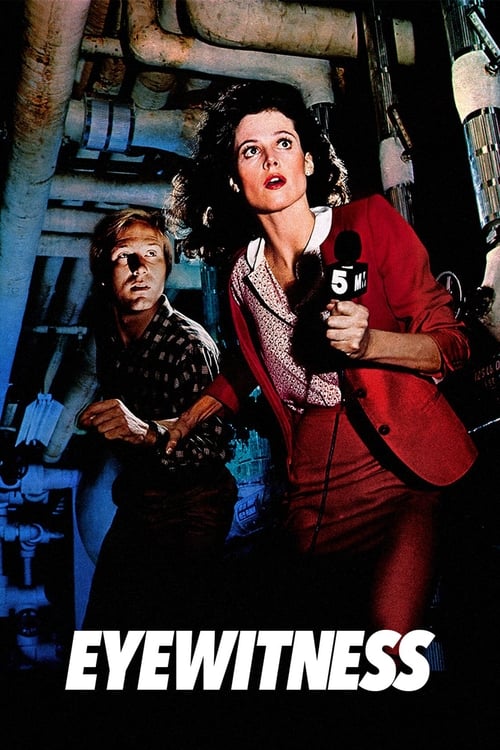
Eyewitness
NYC custodian Daryll Deever is a big fan of local news reporter Tony Sokolow, so he is intrigued when she shows up to cover a story at his workplace. There's been a murder in the office building, and Tony suspects that Daryll may have insight into the crime, a notion that he furthers to stay close to her. However, when those behind the killing begin to think that he really knows something, they target the pair to keep their secrets hidden.
The film struggled financially against its tight budget of $8.5M, earning $4.5M globally (-47% loss). While initial box office returns were modest, the film has gained appreciation for its innovative storytelling within the thriller genre.


Plot Structure
Story beats plotted across runtime


Narrative Arc
Emotional journey through the story's key moments
Story Circle
Blueprint 15-beat structure
Arcplot Score Breakdown
Weighted: Precision (70%) + Arc (15%) + Theme (15%)
Eyewitness (1981) demonstrates precise story structure, characteristic of Peter Yates's storytelling approach. This structural analysis examines how the film's 15-point plot structure maps to proven narrative frameworks across 1 hour and 43 minutes. With an Arcplot score of 7.0, the film balances conventional beats with creative variation.
Characters
Cast & narrative archetypes

Daryll Deever

Tony Sokolow
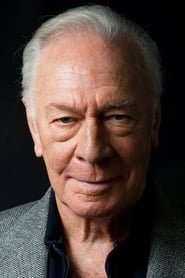
Joseph
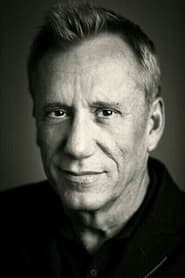
Aldo Mercer
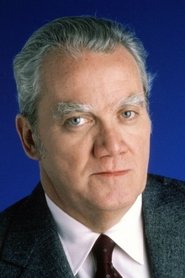
Lieutenant Jacobs
Main Cast & Characters
Daryll Deever
Played by William Hurt
A lonely janitor who fabricates witnessing a murder to get close to a TV reporter he admires.
Tony Sokolow
Played by Sigourney Weaver
An ambitious television news reporter investigating a murder case.
Joseph
Played by Christopher Plummer
A mysterious Vietnam veteran and Daryll's friend who becomes entangled in the murder investigation.
Aldo Mercer
Played by James Woods
Tony's wealthy, sophisticated boyfriend who is disconnected from her working-class investigation.
Lieutenant Jacobs
Played by Kenneth McMillan
The police detective investigating the murder case.
Structural Analysis
The Status Quo at 1 minutes (1% through the runtime) establishes Daryll Deever, a lonely janitor, watches TV news anchor Tony Sokolow from afar while cleaning an office building at night, establishing his mundane working-class existence and unrequited fascination.. Notably, this early placement immediately immerses viewers in the story world.
The inciting incident occurs at 13 minutes when A mysterious murder occurs in the building where Daryll works. The victim is found dead in an office, transforming Daryll's workplace into a crime scene and setting the thriller plot in motion.. At 12% through the film, this Disruption aligns precisely with traditional story structure. This beat shifts the emotional landscape, launching the protagonist into the central conflict.
The First Threshold at 26 minutes marks the transition into Act II, occurring at 25% of the runtime. This shows the protagonist's commitment to Daryll actively chooses to tell authorities he witnessed something related to the murder, lying to position himself as an eyewitness, which draws Tony Sokolow to interview him for her news story., moving from reaction to action.
At 52 minutes, the Midpoint arrives at 50% of the runtime—precisely centered, creating perfect narrative symmetry. Of particular interest, this crucial beat Daryll realizes the murderers know he didn't actually witness anything, making him both useless and dangerous to them. The false victory of getting close to Tony becomes a false defeat as real threats emerge., fundamentally raising what's at risk. The emotional intensity shifts, dividing the narrative into clear before-and-after phases.
The Collapse moment at 77 minutes (75% through) represents the emotional nadir. Here, Aldo is murdered, providing the "whiff of death." Daryll's friend dies because of the situation Daryll created with his lies, and Tony discovers the extent of Daryll's deception about being a witness., illustrates the protagonist at their lowest point. This beat's placement in the final quarter sets up the climactic reversal.
The Second Threshold at 82 minutes initiates the final act resolution at 80% of the runtime. Daryll chooses to stop living in fantasy and face reality. He decides to genuinely help Tony expose the truth about the murder conspiracy, using his real knowledge of the building and situation., demonstrating the transformation achieved throughout the journey.
Emotional Journey
Eyewitness's emotional architecture traces a deliberate progression across 15 carefully calibrated beats.
Narrative Framework
This structural analysis employs proven narrative structure principles that track dramatic progression. By mapping Eyewitness against these established plot points, we can identify how Peter Yates utilizes or subverts traditional narrative conventions. The plot point approach reveals not only adherence to structural principles but also creative choices that distinguish Eyewitness within the thriller genre.
Peter Yates's Structural Approach
Among the 8 Peter Yates films analyzed on Arcplot, the average structural score is 7.1, reflecting strong command of classical structure. Eyewitness takes a more unconventional approach compared to the director's typical style. For comparative analysis, explore the complete Peter Yates filmography.
Comparative Analysis
Additional thriller films include The Warriors, Thunderball and Rustom. For more Peter Yates analyses, see The Deep, Mother, Jugs & Speed and Bullitt.
Plot Points by Act
Act I
SetupStatus Quo
Daryll Deever, a lonely janitor, watches TV news anchor Tony Sokolow from afar while cleaning an office building at night, establishing his mundane working-class existence and unrequited fascination.
Theme
Daryll's friend Aldo discusses how people create fantasies to escape their ordinary lives, foreshadowing the theme of truth versus illusion and the dangers of living in manufactured realities.
Worldbuilding
Introduction to Daryll's world: his janitorial job, his friendship with Aldo the elevator operator, his Vietnam veteran past, and his obsessive watching of news reporter Tony Sokolow on television.
Disruption
A mysterious murder occurs in the building where Daryll works. The victim is found dead in an office, transforming Daryll's workplace into a crime scene and setting the thriller plot in motion.
Resistance
Daryll realizes this murder could be his way to meet Tony Sokolow. He debates whether to claim he witnessed the crime, struggling between telling the truth and seizing this opportunity.
Act II
ConfrontationFirst Threshold
Daryll actively chooses to tell authorities he witnessed something related to the murder, lying to position himself as an eyewitness, which draws Tony Sokolow to interview him for her news story.
Mirror World
Daryll meets Tony Sokolow in person for the first time. She represents the world of sophistication and truth-seeking journalism, contrasting with his working-class fabrications and forcing him to maintain his lie.
Premise
Daryll navigates his deepening relationship with Tony while maintaining his false witness story. He becomes entangled in the actual murder investigation, discovering real danger as various parties pursue the truth.
Midpoint
Daryll realizes the murderers know he didn't actually witness anything, making him both useless and dangerous to them. The false victory of getting close to Tony becomes a false defeat as real threats emerge.
Opposition
The conspiracy tightens around Daryll and Tony. Tony's professional skepticism grows as she investigates deeper. Daryll's lies unravel while actual danger escalates, with the killers closing in on both of them.
Collapse
Aldo is murdered, providing the "whiff of death." Daryll's friend dies because of the situation Daryll created with his lies, and Tony discovers the extent of Daryll's deception about being a witness.
Crisis
Daryll faces the consequences of his fabrication: his friend is dead, Tony feels betrayed, and he must confront his pattern of living in fantasy rather than reality while still in mortal danger.
Act III
ResolutionSecond Threshold
Daryll chooses to stop living in fantasy and face reality. He decides to genuinely help Tony expose the truth about the murder conspiracy, using his real knowledge of the building and situation.
Synthesis
Daryll and Tony work together to expose the conspiracy and survive the killers' final assault. Daryll uses his actual skills and knowledge, proving himself through authentic action rather than fabricated stories.
Transformation
Daryll is shown in a genuine relationship with Tony, no longer watching her from afar or through lies. He has transformed from a fantasist living vicariously to someone engaged in authentic connection.