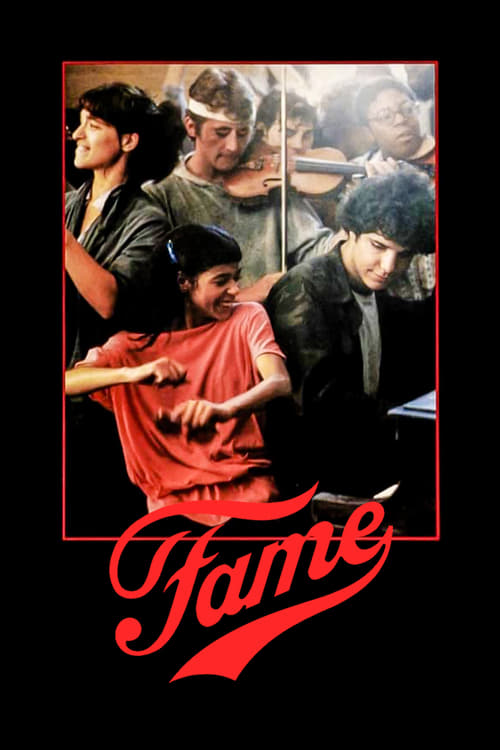
Fame
A chronicle of the lives of several teenagers who attend a New York high school for students gifted in the performing arts.
Despite its tight budget of $8.5M, Fame became a solid performer, earning $42.0M worldwide—a 394% return. The film's fresh perspective found its audience, showing that strong storytelling can transcend budget limitations.
2 Oscars. 9 wins & 16 nominations


Plot Structure
Story beats plotted across runtime


Narrative Arc
Emotional journey through the story's key moments
Story Circle
Blueprint 15-beat structure
Arcplot Score Breakdown
Weighted: Precision (70%) + Arc (15%) + Theme (15%)
Fame (1980) exhibits deliberately positioned plot construction, characteristic of Alan Parker's storytelling approach. This structural analysis examines how the film's 15-point plot structure maps to proven narrative frameworks across 2 hours and 13 minutes. With an Arcplot score of 7.7, the film showcases strong structural fundamentals.
Structural Analysis
The Status Quo at 2 minutes (1% through the runtime) establishes The auditions begin at New York's High School of Performing Arts. Hundreds of hopeful teenagers arrive with dreams of stardom, performing for the faculty judges who will determine their futures.. Of particular interest, this early placement immediately immerses viewers in the story world.
The inciting incident occurs at 16 minutes when The students receive their acceptance letters and begin their freshman year. They cross the threshold from hopeful outsiders into the intense world of professional arts training, where talent alone isn't enough.. At 12% through the film, this Disruption aligns precisely with traditional story structure. This beat shifts the emotional landscape, launching the protagonist into the central conflict.
The First Threshold at 32 minutes marks the transition into Act II, occurring at 24% of the runtime. This indicates the protagonist's commitment to The students fully commit to the school and their artistic identities. They move from tentative freshmen into active participants in the competitive performing arts world, embracing both its excitement and its demands. Sophomore year begins., moving from reaction to action.
At 67 minutes, the Midpoint arrives at 50% of the runtime—precisely centered, creating perfect narrative symmetry. The analysis reveals that this crucial beat Junior year brings a shift. Coco is exploited by a filmmaker who promises to make her a star but only wants to film her nude. The illusion of easy fame shatters. Students realize the industry will use them, and talent doesn't guarantee safety or success., fundamentally raising what's at risk. The emotional intensity shifts, dividing the narrative into clear before-and-after phases.
The Collapse moment at 98 minutes (74% through) represents the emotional nadir. Here, Multiple collapses converge: Coco realizes she's been humiliated and used. Leroy discovers he may not graduate despite his talent. Montgomery has a breakdown during a performance. The death of innocence—their naive dreams of stardom die, replaced by harsh reality., indicates the protagonist at their lowest point. This beat's placement in the final quarter sets up the climactic reversal.
The Second Threshold at 106 minutes initiates the final act resolution at 80% of the runtime. The students find renewed purpose not in fame itself, but in the work and in each other. They realize that the art matters more than stardom, and that their shared struggle has created something meaningful. They choose to continue on their own terms., demonstrating the transformation achieved throughout the journey.
Emotional Journey
Fame's emotional architecture traces a deliberate progression across 15 carefully calibrated beats.
Narrative Framework
This structural analysis employs a 15-point narrative structure framework that maps key story moments. By mapping Fame against these established plot points, we can identify how Alan Parker utilizes or subverts traditional narrative conventions. The plot point approach reveals not only adherence to structural principles but also creative choices that distinguish Fame within the drama genre.
Alan Parker's Structural Approach
Among the 9 Alan Parker films analyzed on Arcplot, the average structural score is 7.0, reflecting strong command of classical structure. Fame represents one of the director's most structurally precise works. For comparative analysis, explore the complete Alan Parker filmography.
Comparative Analysis
Additional drama films include After Thomas, South Pacific and Dirty Dancing: Havana Nights. For more Alan Parker analyses, see The Road to Wellville, The Life of David Gale and Shoot the Moon.
Plot Points by Act
Act I
SetupStatus Quo
The auditions begin at New York's High School of Performing Arts. Hundreds of hopeful teenagers arrive with dreams of stardom, performing for the faculty judges who will determine their futures.
Theme
During auditions, a teacher tells students: "You've got big dreams? You want fame? Well, fame costs. And right here is where you start paying... in sweat." This establishes the central theme: the price of artistic ambition.
Worldbuilding
The ensemble is introduced through auditions and first days. We meet Doris (shy actress), Montgomery (gifted musician with stage fright), Coco (desperate for stardom), Ralph (comedian actor), Leroy (talented dancer who can't read), and others. The school's demanding culture is established.
Disruption
The students receive their acceptance letters and begin their freshman year. They cross the threshold from hopeful outsiders into the intense world of professional arts training, where talent alone isn't enough.
Resistance
Freshman year unfolds with students navigating demanding teachers, academic requirements, and their own insecurities. Leroy struggles with English class. Montgomery battles performance anxiety. Doris hides behind characters. They debate whether they can handle the pressure.
Act II
ConfrontationFirst Threshold
The students fully commit to the school and their artistic identities. They move from tentative freshmen into active participants in the competitive performing arts world, embracing both its excitement and its demands. Sophomore year begins.
Mirror World
Relationships deepen as students form bonds and romances. Doris begins a relationship with Montgomery. These connections represent the emotional stakes beneath the professional ambition—the human cost of single-minded pursuit of fame.
Premise
The "fun and games" of performing arts school. Students rehearse, perform, party, and express themselves. The iconic "Fame" street dance sequence erupts with youthful energy. Coco pursues opportunities. Ralph develops his comedy. The promise of artistic life is on full display.
Midpoint
Junior year brings a shift. Coco is exploited by a filmmaker who promises to make her a star but only wants to film her nude. The illusion of easy fame shatters. Students realize the industry will use them, and talent doesn't guarantee safety or success.
Opposition
Pressures intensify as senior year approaches. Leroy faces academic failure that could prevent graduation. Montgomery's perfectionism causes breakdowns. Doris struggles with her identity outside of performance. The gap between dreams and reality widens. Not everyone will make it.
Collapse
Multiple collapses converge: Coco realizes she's been humiliated and used. Leroy discovers he may not graduate despite his talent. Montgomery has a breakdown during a performance. The death of innocence—their naive dreams of stardom die, replaced by harsh reality.
Crisis
Students face their darkest moments separately. Each must decide whether to quit or continue. They process the cost of their ambitions and confront who they really are beneath their performed identities. Will art be worth the sacrifice?
Act III
ResolutionSecond Threshold
The students find renewed purpose not in fame itself, but in the work and in each other. They realize that the art matters more than stardom, and that their shared struggle has created something meaningful. They choose to continue on their own terms.
Synthesis
Graduation approaches. Students perform their final showcases with maturity and authenticity earned through struggle. They support each other. Some will pursue professional careers, others won't, but all have been transformed by the experience. The finale celebrates their growth, not their fame.
Transformation
The graduation ceremony and final performance. Where the opening showed desperate individuals auditioning alone, the closing shows a community of artists who understand that the work itself—and the connections forged through shared sacrifice—is the real reward, not fame.