
Fantastic Voyage
Scientist Jan Benes (Jean Del Val), who knows the secret to keeping soldiers shrunken for an indefinite period, escapes from behind the Iron Curtain with the help of C.I.A. Agent Grant (Stephen Boyd). While being transferred, their motorcade is attacked. Benes strikes his head, causing a blood clot to form in his brain. Grant is ordered to accompany a group of scientists as they are miniaturized. They have one hour to get to Benes' brain, remove the clot, and get out.
Despite its limited budget of $5.1M, Fantastic Voyage became a financial success, earning $12.0M worldwide—a 135% return.
2 Oscars. 4 wins & 6 nominations


Plot Structure
Story beats plotted across runtime


Narrative Arc
Emotional journey through the story's key moments
Story Circle
Blueprint 15-beat structure
Arcplot Score Breakdown
Weighted: Precision (70%) + Arc (15%) + Theme (15%)
Fantastic Voyage (1966) exemplifies carefully calibrated narrative design, characteristic of Richard Fleischer's storytelling approach. This structural analysis examines how the film's 15-point plot structure maps to proven narrative frameworks across 1 hour and 40 minutes. With an Arcplot score of 6.7, the film balances conventional beats with creative variation.
Characters
Cast & narrative archetypes
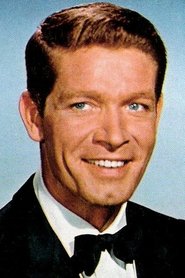
Dr. Charles Grant

Cora Peterson
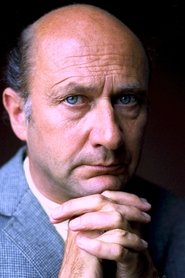
Dr. Michaels
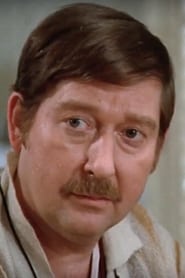
Captain Bill Owens
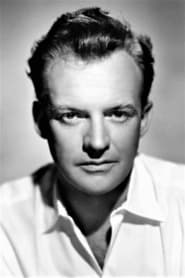
Dr. Duval
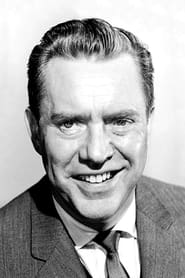
General Carter
Main Cast & Characters
Dr. Charles Grant
Played by Stephen Boyd
A skilled surgeon who leads the miniaturized crew on their mission inside a human body to save a defecting scientist.
Cora Peterson
Played by Raquel Welch
A dedicated medical assistant who serves as navigator and displays both competence and compassion during the dangerous mission.
Dr. Michaels
Played by Donald Pleasence
The crew's medical expert whose true loyalties become questionable as sabotage threatens the mission.
Captain Bill Owens
Played by William Redfield
The submarine pilot who navigates the Proteus through the bloodstream with steady nerves and technical expertise.
Dr. Duval
Played by Arthur Kennedy
A brilliant but arrogant neurosurgeon who must perform delicate brain surgery from inside the patient's body.
General Carter
Played by Edmond O'Brien
The military commander overseeing the CMDF facility and the critical miniaturization mission.
Structural Analysis
The Status Quo at 1 minutes (1% through the runtime) establishes Cold War tensions at an airport as a top-secret scientist, Dr. Jan Benes, arrives under heavy military escort. The world of covert operations and scientific espionage is established.. Structural examination shows that this early placement immediately immerses viewers in the story world.
The inciting incident occurs at 12 minutes when Grant learns the impossible mission: a surgical team will be miniaturized and injected into Benes' body to destroy the blood clot from inside. They have only 60 minutes before returning to normal size.. At 12% through the film, this Disruption aligns precisely with traditional story structure. This beat shifts the emotional landscape, launching the protagonist into the central conflict.
The First Threshold at 25 minutes marks the transition into Act II, occurring at 25% of the runtime. This indicates the protagonist's commitment to The Proteus and crew are miniaturized and injected into Benes' bloodstream through the carotid artery. Grant and the team commit fully to this unprecedented journey inside the human body., moving from reaction to action.
At 50 minutes, the Midpoint arrives at 50% of the runtime—precisely centered, creating perfect narrative symmetry. Notably, this crucial beat The Proteus is damaged passing through the heart, causing a critical loss of air. The crew must detour through the inner ear, where any sound could be fatal. Time is running out and the mission shifts from exploration to survival., fundamentally raising what's at risk. The emotional intensity shifts, dividing the narrative into clear before-and-after phases.
The Collapse moment at 75 minutes (75% through) represents the emotional nadir. Here, The Proteus becomes hopelessly entangled in fibrous tissue and cannot continue. With only minutes remaining before the crew enlarges inside Benes' body, killing both him and themselves, all hope seems lost., illustrates the protagonist at their lowest point. This beat's placement in the final quarter sets up the climactic reversal.
The Second Threshold at 80 minutes initiates the final act resolution at 80% of the runtime. Grant realizes Dr. Michaels is the saboteur when he attempts to steer them away from the clot. The crew commits to completing the surgery manually, swimming through brain fluid to reach the clot with the repaired laser., demonstrating the transformation achieved throughout the journey.
Emotional Journey
Fantastic Voyage's emotional architecture traces a deliberate progression across 15 carefully calibrated beats.
Narrative Framework
This structural analysis employs systematic plot point analysis that identifies crucial turning points. By mapping Fantastic Voyage against these established plot points, we can identify how Richard Fleischer utilizes or subverts traditional narrative conventions. The plot point approach reveals not only adherence to structural principles but also creative choices that distinguish Fantastic Voyage within the adventure genre.
Richard Fleischer's Structural Approach
Among the 8 Richard Fleischer films analyzed on Arcplot, the average structural score is 7.0, demonstrating varied approaches to story architecture. Fantastic Voyage takes a more unconventional approach compared to the director's typical style. For comparative analysis, explore the complete Richard Fleischer filmography.
Comparative Analysis
Additional adventure films include The Black Stallion, The Bad Guys and Puss in Boots. For more Richard Fleischer analyses, see Red Sonja, Conan the Destroyer and Amityville 3-D.
Plot Points by Act
Act I
SetupStatus Quo
Cold War tensions at an airport as a top-secret scientist, Dr. Jan Benes, arrives under heavy military escort. The world of covert operations and scientific espionage is established.
Theme
General Carter explains that both sides have discovered how to miniaturize matter, but only for a limited time. The theme of humanity's potential to achieve the impossible through cooperation and sacrifice is introduced.
Worldbuilding
The CMDF (Combined Miniature Deterrent Forces) facility is revealed. Grant is recruited and briefed on miniaturization technology. Dr. Benes lies comatose with an inoperable blood clot in his brain.
Disruption
Grant learns the impossible mission: a surgical team will be miniaturized and injected into Benes' body to destroy the blood clot from inside. They have only 60 minutes before returning to normal size.
Resistance
The crew is assembled: Dr. Duval (surgeon), Cora (his assistant), Dr. Michaels (circulatory expert), Captain Owens (pilot), and Grant (security). The submarine Proteus is prepared and the team debates the risks and logistics of the voyage.
Act II
ConfrontationFirst Threshold
The Proteus and crew are miniaturized and injected into Benes' bloodstream through the carotid artery. Grant and the team commit fully to this unprecedented journey inside the human body.
Mirror World
The crew witnesses the awe-inspiring beauty of the inner body for the first time. Cora's wonder at the microscopic world reflects the spiritual dimension of the journey, embodying the theme that science reveals divine beauty.
Premise
The Proteus navigates through the bloodstream, encountering arterial turbulence, passing through the heart's pumping chambers, and traveling through the lungs to refill oxygen. The wonders and dangers of the microscopic world are explored.
Midpoint
The Proteus is damaged passing through the heart, causing a critical loss of air. The crew must detour through the inner ear, where any sound could be fatal. Time is running out and the mission shifts from exploration to survival.
Opposition
Sabotage becomes evident as equipment fails mysteriously. Grant suspects a traitor among the crew. Antibodies begin attacking the foreign invaders. The laser is damaged. Dr. Michaels' claustrophobia intensifies suspicion around him.
Collapse
The Proteus becomes hopelessly entangled in fibrous tissue and cannot continue. With only minutes remaining before the crew enlarges inside Benes' body, killing both him and themselves, all hope seems lost.
Crisis
The team faces the reality of failure. They must abandon the Proteus and continue on foot through the brain tissue. The traitor's identity remains uncertain as trust fractures among the crew.
Act III
ResolutionSecond Threshold
Grant realizes Dr. Michaels is the saboteur when he attempts to steer them away from the clot. The crew commits to completing the surgery manually, swimming through brain fluid to reach the clot with the repaired laser.
Synthesis
Dr. Duval successfully destroys the blood clot with the laser. Michaels attempts to stop them but is consumed by a white blood cell. The remaining crew races to escape through the tear duct before time expires.
Transformation
The crew emerges from Benes' tear duct and returns to normal size just in time. Benes will recover. Grant, once a skeptical operative, now understands the profound miracle of human life and the power of unified scientific purpose.