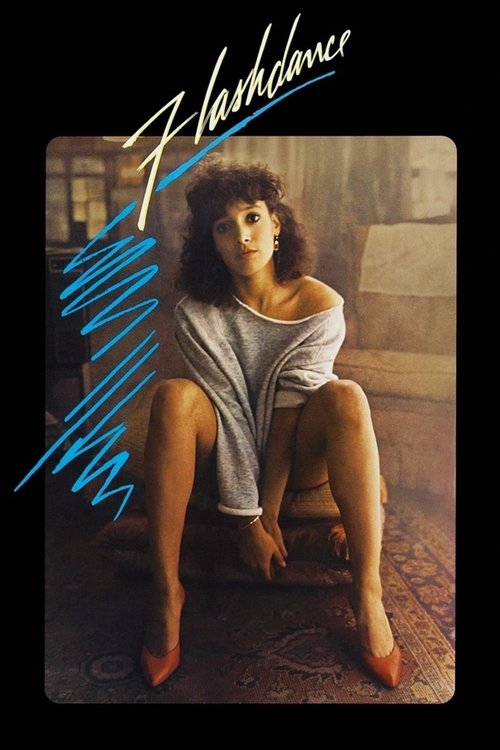
Flashdance
An 18-year-old female amateur dancer who performs nightly at a dancing bar, and works as a welder during the day, dreams of joining the Pittsburgh ballet school.
Despite its limited budget of $7.0M, Flashdance became a box office phenomenon, earning $201.5M worldwide—a remarkable 2779% return. The film's distinctive approach found its audience, demonstrating that strong storytelling can transcend budget limitations.
1 Oscar. 14 wins & 17 nominations


Plot Structure
Story beats plotted across runtime


Narrative Arc
Emotional journey through the story's key moments
Story Circle
Blueprint 15-beat structure
Characters
Cast & narrative archetypes

Alex Owens
Nick Hurley
Jeanie Szabo
Hanna Long
Main Cast & Characters
Alex Owens
Played by Jennifer Beals
An 18-year-old welder by day who dreams of becoming a professional ballet dancer, working nights as an exotic dancer to support herself.
Nick Hurley
Played by Michael Nouri
Alex's boss at the steel mill and romantic interest, a wealthy entrepreneur who encourages her dancing dreams.
Jeanie Szabo
Played by Sunny Johnson
Alex's best friend and fellow dancer at Mawby's who dreams of figure skating professionally.
Hanna Long
Played by Lilia Skala
An elderly former ballerina who becomes Alex's mentor and inspires her to audition for the conservatory.
Structural Analysis
The Status Quo at 1 minutes (1% through the runtime) establishes Alex Owens works as a welder by day at a Pittsburgh steel mill, her face obscured by protective gear, establishing her dual life of hard labor and hidden dreams.. Notably, this early placement immediately immerses viewers in the story world.
The inciting incident occurs at 11 minutes when Nick Hurley, the owner of the steel mill, sees Alex dance at Mawby's and becomes fascinated with her, initiating their relationship and creating the possibility of change in her life.. At 12% through the film, this Disruption aligns precisely with traditional story structure. This beat shifts the emotional landscape, launching the protagonist into the central conflict.
The First Threshold at 24 minutes marks the transition into Act II, occurring at 25% of the runtime. This demonstrates the protagonist's commitment to Alex chooses to begin a relationship with Nick, accepting his dinner invitation and opening herself to love and vulnerability. This active choice moves her into a new emotional world., moving from reaction to action.
At 48 minutes, the Midpoint arrives at 50% of the runtime—precisely centered, creating perfect narrative symmetry. Significantly, this crucial beat False defeat: Jeanie fails her ice skating audition and quits, taking a job at Zanzibar as a stripper. Alex is devastated seeing her friend give up, foreshadowing her own potential failure. The stakes of giving up become real., fundamentally raising what's at risk. The emotional intensity shifts, dividing the narrative into clear before-and-after phases.
The Collapse moment at 70 minutes (74% through) represents the emotional nadir. Here, Hanna, Alex's mentor and the person who encouraged her to never give up on dreams, dies. This is the literal "whiff of death" and Alex's darkest moment, losing the one person who truly believed in her potential., demonstrates the protagonist at their lowest point. This beat's placement in the final quarter sets up the climactic reversal.
The Second Threshold at 75 minutes initiates the final act resolution at 79% of the runtime. Nick finds Alex and reminds her of Hanna's words and her own passion. Alex has a breakthrough: she realizes giving up would dishonor Hanna's memory and her own truth. She chooses to audition, synthesizing Hanna's wisdom with her own fire., demonstrating the transformation achieved throughout the journey.
Emotional Journey
Flashdance's emotional architecture traces a deliberate progression across 15 carefully calibrated beats.
Narrative Framework
This structural analysis employs structural analysis methodology used to understand storytelling architecture. By mapping Flashdance against these established plot points, we can identify how Adrian Lyne utilizes or subverts traditional narrative conventions. The plot point approach reveals not only adherence to structural principles but also creative choices that distinguish Flashdance within the drama genre.
Adrian Lyne's Structural Approach
Among the 7 Adrian Lyne films analyzed on Arcplot, the average structural score is 7.3, reflecting strong command of classical structure. Flashdance exemplifies the director's characteristic narrative technique. For comparative analysis, explore the complete Adrian Lyne filmography.
Comparative Analysis
Additional drama films include After Thomas, South Pacific and Dirty Dancing: Havana Nights. For more Adrian Lyne analyses, see Indecent Proposal, Fatal Attraction and Nine 1/2 Weeks.
Plot Points by Act
Act I
SetupStatus Quo
Alex Owens works as a welder by day at a Pittsburgh steel mill, her face obscured by protective gear, establishing her dual life of hard labor and hidden dreams.
Theme
Hanna, the older ballet teacher, tells Alex: "When you give up your dream, you die." This encapsulates the film's central theme about pursuing passion despite obstacles.
Worldbuilding
Establishes Alex's world: welding at the steel mill, dancing nights at Mawby's bar, living in her warehouse loft, caring for her dog, and her close friendship with fellow dancers Jeanie and Richie. Shows her watching ballet dancers through the window of the conservatory.
Disruption
Nick Hurley, the owner of the steel mill, sees Alex dance at Mawby's and becomes fascinated with her, initiating their relationship and creating the possibility of change in her life.
Resistance
Alex resists Nick's advances and debates whether to pursue ballet seriously. Nick pursues her romantically. She visits Hanna for advice about auditioning for the conservatory but fears rejection due to lack of formal training. She debates whether she's good enough.
Act II
ConfrontationFirst Threshold
Alex chooses to begin a relationship with Nick, accepting his dinner invitation and opening herself to love and vulnerability. This active choice moves her into a new emotional world.
Mirror World
Alex and Nick's relationship deepens as he supports her dreams. He becomes the thematic mirror who believes in her when she doesn't believe in herself, embodying the theme of not giving up on dreams.
Premise
The promise of the premise: Alex trains harder, her relationship with Nick blossoms, she continues performing at Mawby's with increasing confidence. We see her joy in dancing, her romance, and her friendships. Jeanie pursues ice skating dreams.
Midpoint
False defeat: Jeanie fails her ice skating audition and quits, taking a job at Zanzibar as a stripper. Alex is devastated seeing her friend give up, foreshadowing her own potential failure. The stakes of giving up become real.
Opposition
Pressure mounts: Alex discovers Nick used his influence to get her an audition form, making her feel like a charity case. She feels betrayed and questions whether she deserves success. Her insecurities intensify. The relationship strains. Competition at Mawby's increases.
Collapse
Hanna, Alex's mentor and the person who encouraged her to never give up on dreams, dies. This is the literal "whiff of death" and Alex's darkest moment, losing the one person who truly believed in her potential.
Crisis
Alex spirals into darkness, walking the snowy streets in despair. She decides to give up, quits her job at Mawby's, and prepares to abandon her dream entirely, coming dangerously close to the death Hanna warned about.
Act III
ResolutionSecond Threshold
Nick finds Alex and reminds her of Hanna's words and her own passion. Alex has a breakthrough: she realizes giving up would dishonor Hanna's memory and her own truth. She chooses to audition, synthesizing Hanna's wisdom with her own fire.
Synthesis
Alex prepares for and executes her conservatory audition, combining her raw street-dance energy with classical technique. She performs with complete authenticity, blending all aspects of herself. The panel deliberates and ultimately accepts her.
Transformation
Alex runs out of the audition into Nick's arms, leaping into his embrace with pure joy. The final image shows her transformed: no longer hiding or doubting, but fully alive and claiming her dream. She didn't die—she chose to live.