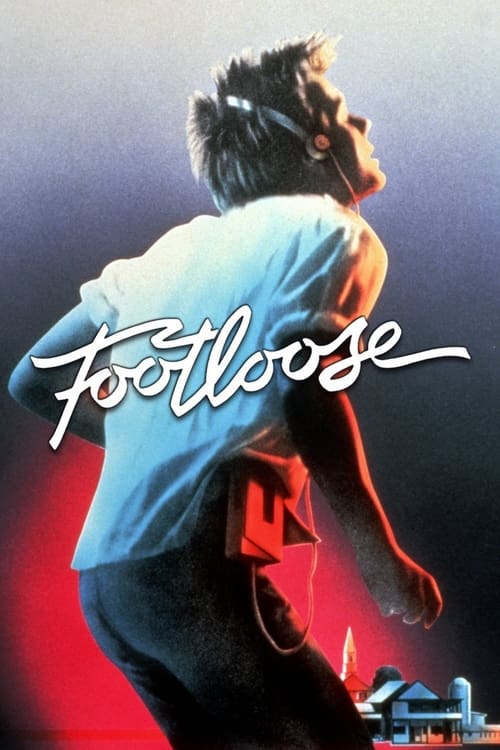
Footloose
When teenager Ren and his family move from big-city Chicago to a small town in the West, he's in for a real case of culture shock after discovering he's living in a place where music and dancing are illegal.
Despite its small-scale budget of $8.2M, Footloose became a runaway success, earning $80.0M worldwide—a remarkable 876% return. The film's unique voice resonated with audiences, confirming that strong storytelling can transcend budget limitations.
Nominated for 2 Oscars. 2 wins & 7 nominations


Plot Structure
Story beats plotted across runtime


Narrative Arc
Emotional journey through the story's key moments
Story Circle
Blueprint 15-beat structure
Arcplot Score Breakdown
Weighted: Precision (70%) + Arc (15%) + Theme (15%)
Footloose (1984) demonstrates deliberately positioned narrative design, characteristic of Herbert Ross's storytelling approach. This structural analysis examines how the film's 15-point plot structure maps to proven narrative frameworks across 1 hour and 47 minutes. With an Arcplot score of 7.3, the film balances conventional beats with creative variation.
Characters
Cast & narrative archetypes

Ren McCormack
Ariel Moore
Reverend Shaw Moore
Willard Hewitt
Vi Moore
Chuck Cranston
Rusty Rodriguez
Main Cast & Characters
Ren McCormack
Played by Kevin Bacon
A rebellious Chicago teenager who moves to a small town where dancing is banned and fights to overturn the law.
Ariel Moore
Played by Lori Singer
The rebellious daughter of the town's minister who becomes Ren's love interest and ally in challenging her father's strict rules.
Reverend Shaw Moore
Played by John Lithgow
The authoritarian minister who banned dancing after his son's tragic death, representing the town's rigid moral order.
Willard Hewitt
Played by Christopher Penn
Ren's loyal country friend who can't dance but supports Ren's cause and provides comic relief.
Vi Moore
Played by Dianne Wiest
Shaw's compassionate wife and Ariel's mother who quietly supports change while respecting her husband.
Chuck Cranston
Played by Jim Youngs
Ariel's jealous, violent boyfriend who represents traditional masculine aggression and opposes Ren.
Rusty Rodriguez
Played by Sarah Jessica Parker
Willard's girlfriend and Ariel's friend who supports the fight for dancing.
Structural Analysis
The Status Quo at 1 minutes (1% through the runtime) establishes Teenagers drive recklessly after dancing, resulting in a fatal car crash. This tragedy establishes the town's trauma and sets up the dance ban that defines Bomont.. Of particular interest, this early placement immediately immerses viewers in the story world.
The inciting incident occurs at 12 minutes when Ren is arrested for playing loud music and dancing in his car. He directly confronts the reality that dancing is illegal, making his old life impossible in this new town.. At 12% through the film, this Disruption aligns precisely with traditional story structure. This beat shifts the emotional landscape, launching the protagonist into the central conflict.
The First Threshold at 27 minutes marks the transition into Act II, occurring at 25% of the runtime. This shows the protagonist's commitment to Ren actively decides to challenge the ban. At the town council meeting, he speaks up against the ordinance, making an irreversible choice to fight for change rather than submit., moving from reaction to action.
At 54 minutes, the Midpoint arrives at 50% of the runtime—precisely centered, creating perfect narrative symmetry. Of particular interest, this crucial beat Ren presents his researched argument to the town council using Biblical scripture, turning Rev. Moore's own ammunition against him. False victory: he seems to be winning hearts and minds, but the stakes are about to rise., fundamentally raising what's at risk. The emotional intensity shifts, dividing the narrative into clear before-and-after phases.
The Collapse moment at 79 minutes (74% through) represents the emotional nadir. Here, Ariel nearly dies in a game of chicken with a semi-truck, echoing the opening tragedy. Ren confronts the "whiff of death" and realizes his rebellion might be causing more harm. He faces potential loss of everything he's fought for., reveals the protagonist at their lowest point. This beat's placement in the final quarter sets up the climactic reversal.
The Second Threshold at 85 minutes initiates the final act resolution at 80% of the runtime. Rev. Moore reads his dead son's Bible and finds highlighted passages about joy and freedom. He realizes his fear has imprisoned rather than protected his daughter. He gives Ren his blessing, synthesizing grief with hope., demonstrating the transformation achieved throughout the journey.
Emotional Journey
Footloose's emotional architecture traces a deliberate progression across 15 carefully calibrated beats.
Narrative Framework
This structural analysis employs a 15-point narrative structure framework that maps key story moments. By mapping Footloose against these established plot points, we can identify how Herbert Ross utilizes or subverts traditional narrative conventions. The plot point approach reveals not only adherence to structural principles but also creative choices that distinguish Footloose within the drama genre.
Herbert Ross's Structural Approach
Among the 8 Herbert Ross films analyzed on Arcplot, the average structural score is 7.3, reflecting strong command of classical structure. Footloose takes a more unconventional approach compared to the director's typical style. For comparative analysis, explore the complete Herbert Ross filmography.
Comparative Analysis
Additional drama films include After Thomas, South Pacific and Dirty Dancing: Havana Nights. For more Herbert Ross analyses, see Boys on the Side, Funny Lady and The Secret of My Success.
Plot Points by Act
Act I
SetupStatus Quo
Teenagers drive recklessly after dancing, resulting in a fatal car crash. This tragedy establishes the town's trauma and sets up the dance ban that defines Bomont.
Theme
Reverend Moore preaches about protecting children from danger, stating "The Bible says in Ecclesiastes there is a time to dance." The theme of control vs. freedom, fear vs. healing is established.
Worldbuilding
Ren McCormack arrives in Bomont from Chicago with his mother. We see the strict, conservative town with its dancing and rock music ban. Ren meets Willard, Ariel, and learns about the oppressive rules.
Disruption
Ren is arrested for playing loud music and dancing in his car. He directly confronts the reality that dancing is illegal, making his old life impossible in this new town.
Resistance
Ren debates whether to fight the system or accept it. He befriends Willard, develops attraction to Ariel, and clashes with her boyfriend Chuck. He learns about the tragedy that led to the ban and Rev. Moore's grief.
Act II
ConfrontationFirst Threshold
Ren actively decides to challenge the ban. At the town council meeting, he speaks up against the ordinance, making an irreversible choice to fight for change rather than submit.
Mirror World
Ren and Ariel's relationship deepens. She represents the town's repressed spirit - wild and rebellious on the surface but trapped by her father's fear. Their romance becomes the emotional B-story carrying the theme.
Premise
Ren teaches Willard to dance, builds support among students, and researches his case. He bonds with Ariel and challenges the town's fear-based rules. The "promise of the premise" - rebellion and self-expression.
Midpoint
Ren presents his researched argument to the town council using Biblical scripture, turning Rev. Moore's own ammunition against him. False victory: he seems to be winning hearts and minds, but the stakes are about to rise.
Opposition
Chuck and his friends escalate violence against Ren. Ariel's dangerous behavior intensifies. Rev. Moore doubles down on control. The town remains divided. Ren's mother faces health and job pressures. Everything gets harder.
Collapse
Ariel nearly dies in a game of chicken with a semi-truck, echoing the opening tragedy. Ren confronts the "whiff of death" and realizes his rebellion might be causing more harm. He faces potential loss of everything he's fought for.
Crisis
Ren processes his darkest moment. He reveals to Ariel his grief over his father abandoning him and his own need to heal. Both Ren and Rev. Moore face their pain in parallel emotional journeys.
Act III
ResolutionSecond Threshold
Rev. Moore reads his dead son's Bible and finds highlighted passages about joy and freedom. He realizes his fear has imprisoned rather than protected his daughter. He gives Ren his blessing, synthesizing grief with hope.
Synthesis
The prom happens (held just outside town limits). Students and community come together. Ren and Ariel dance freely. Rev. Moore arrives and accepts the celebration. The town begins to heal collectively through expression and joy.
Transformation
Rev. Moore watches the teenagers dance with acceptance rather than fear. Ren dances with complete freedom, transformed from angry outsider to healed catalyst for community healing. The final image shows joy replacing grief.