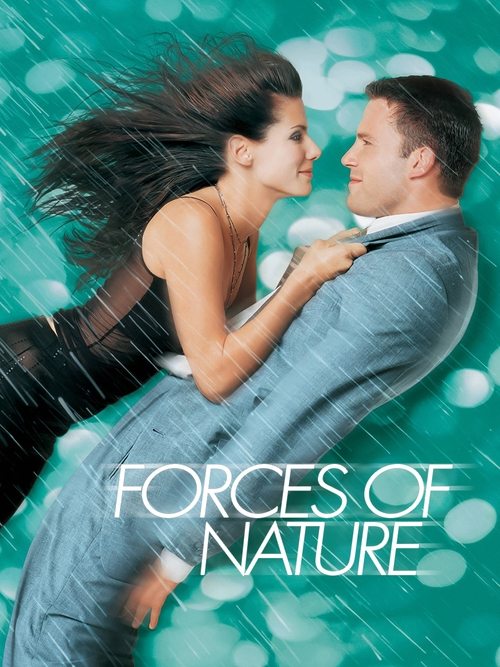
Forces of Nature
Ben Holmes, a professional book-jacket blurbologist, is trying to get to Savannah for his wedding. He just barely catches the last plane, but a seagull flies into the engine as the plane is taking off. All later flights are cancelled because of an approaching hurricane, so he is forced to hitch a ride in a Geo Metro with an attractive but eccentric woman named Sara.
Working with a substantial budget of $75.0M, the film achieved a steady performer with $93.9M in global revenue (+25% profit margin).
2 wins & 5 nominations


Plot Structure
Story beats plotted across runtime


Narrative Arc
Emotional journey through the story's key moments
Story Circle
Blueprint 15-beat structure
Arcplot Score Breakdown
Weighted: Precision (70%) + Arc (15%) + Theme (15%)
Forces of Nature (1999) exemplifies deliberately positioned story structure, characteristic of Bronwen Hughes's storytelling approach. This structural analysis examines how the film's 15-point plot structure maps to proven narrative frameworks across 1 hour and 45 minutes. With an Arcplot score of 7.3, the film balances conventional beats with creative variation.
Characters
Cast & narrative archetypes

Ben Holmes
Sarah Lewis
Bridget Cahill
Alan
Main Cast & Characters
Ben Holmes
Played by Ben Affleck
A cautious writer rushing to his wedding who gets stranded with a free-spirited stranger during chaotic travels.
Sarah Lewis
Played by Sandra Bullock
An impulsive, adventurous woman running from commitment who challenges Ben's orderly worldview.
Bridget Cahill
Played by Maura Tierney
Ben's organized, traditional fiancée waiting at their destination wedding in Savannah.
Alan
Played by David Strickland
Ben's best friend and voice of reason who supports his relationship with Bridget.
Structural Analysis
The Status Quo at 1 minutes (1% through the runtime) establishes Ben Holmes prepares for his wedding, showing his buttoned-up, cautious personality and conventional life in New York. Everything is planned, safe, and under control.. Of particular interest, this early placement immediately immerses viewers in the story world.
The inciting incident occurs at 11 minutes when The plane experiences catastrophic bird strike and is forced to make an emergency landing. Ben's carefully planned journey to his wedding is destroyed, and he must find alternative transportation.. At 10% through the film, this Disruption aligns precisely with traditional story structure. This beat shifts the emotional landscape, launching the protagonist into the central conflict.
The First Threshold at 26 minutes marks the transition into Act II, occurring at 25% of the runtime. This shows the protagonist's commitment to Ben actively chooses to travel with Sarah despite his reservations. This decision launches them on their chaotic road trip together, entering the "fun and games" of their mismatched journey., moving from reaction to action.
At 53 minutes, the Midpoint arrives at 50% of the runtime—precisely centered, creating perfect narrative symmetry. Notably, this crucial beat Ben and Sarah share an intimate moment or kiss - a false victory where it seems Ben might be finding true love. Stakes raise as Ben realizes his feelings for Sarah conflict with his commitment to Bridget. The fun is over; real consequences emerge., fundamentally raising what's at risk. The emotional intensity shifts, dividing the narrative into clear before-and-after phases.
The Collapse moment at 79 minutes (75% through) represents the emotional nadir. Here, Ben and Sarah have a major confrontation or separation. The dream of being together dies as Ben realizes Sarah may not be capable of commitment, or Sarah pulls away when things get too real. Their connection appears destroyed., shows the protagonist at their lowest point. This beat's placement in the final quarter sets up the climactic reversal.
The Second Threshold at 84 minutes initiates the final act resolution at 80% of the runtime. Ben gains clarity about what real love means - whether it's the safety of Bridget or the passion of Sarah, or understanding that he needs to make an honest choice. He synthesizes what he's learned about himself and commitment., demonstrating the transformation achieved throughout the journey.
Emotional Journey
Forces of Nature's emotional architecture traces a deliberate progression across 15 carefully calibrated beats.
Narrative Framework
This structural analysis employs proven narrative structure principles that track dramatic progression. By mapping Forces of Nature against these established plot points, we can identify how Bronwen Hughes utilizes or subverts traditional narrative conventions. The plot point approach reveals not only adherence to structural principles but also creative choices that distinguish Forces of Nature within the romance genre.
Bronwen Hughes's Structural Approach
Among the 2 Bronwen Hughes films analyzed on Arcplot, the average structural score is 7.5, reflecting strong command of classical structure. Forces of Nature takes a more unconventional approach compared to the director's typical style. For comparative analysis, explore the complete Bronwen Hughes filmography.
Comparative Analysis
Additional romance films include South Pacific, Dirty Dancing: Havana Nights and The Evening Star. For more Bronwen Hughes analyses, see Harriet the Spy.
Plot Points by Act
Act I
SetupStatus Quo
Ben Holmes prepares for his wedding, showing his buttoned-up, cautious personality and conventional life in New York. Everything is planned, safe, and under control.
Theme
Ben's friend or family member discusses marriage and commitment, questioning whether playing it safe equals true love. The theme of security versus passion is introduced.
Worldbuilding
Establishing Ben's world: his relationship with fiancée Bridget, his orderly life, his job, his friends. Ben boards a plane to Savannah for his wedding, meeting various passengers including the free-spirited Sarah.
Disruption
The plane experiences catastrophic bird strike and is forced to make an emergency landing. Ben's carefully planned journey to his wedding is destroyed, and he must find alternative transportation.
Resistance
Ben debates various travel options and resists partnering with Sarah, who offers to share the journey. He tries to maintain control and stick to conventional methods, but circumstances force them together.
Act II
ConfrontationFirst Threshold
Ben actively chooses to travel with Sarah despite his reservations. This decision launches them on their chaotic road trip together, entering the "fun and games" of their mismatched journey.
Mirror World
Ben and Sarah begin to connect beyond surface level. Sarah represents everything Ben isn't - spontaneous, risk-taking, emotionally open. Their chemistry develops, embodying the thematic conflict between safety and passion.
Premise
The road trip adventures: mishaps, near-misses, bonding moments. Ben loosens up while Sarah shares her own fears and vulnerabilities. They encounter various obstacles (weather, transportation failures) that keep them together and deepen their connection.
Midpoint
Ben and Sarah share an intimate moment or kiss - a false victory where it seems Ben might be finding true love. Stakes raise as Ben realizes his feelings for Sarah conflict with his commitment to Bridget. The fun is over; real consequences emerge.
Opposition
Ben's internal conflict intensifies. He learns troubling information about Sarah's past and her pattern of running from commitment. Bridget calls, reminding him of his obligations. The closer they get to Savannah, the more pressure builds. Ben's fears about making the wrong choice consume him.
Collapse
Ben and Sarah have a major confrontation or separation. The dream of being together dies as Ben realizes Sarah may not be capable of commitment, or Sarah pulls away when things get too real. Their connection appears destroyed.
Crisis
Ben travels alone toward his wedding, processing everything that happened. He faces the dark night of the soul, questioning everything about his choices, his upcoming marriage, and what he really wants from life.
Act III
ResolutionSecond Threshold
Ben gains clarity about what real love means - whether it's the safety of Bridget or the passion of Sarah, or understanding that he needs to make an honest choice. He synthesizes what he's learned about himself and commitment.
Synthesis
Ben arrives in Savannah and confronts the wedding. He must make his final choice with honesty and courage. Whether he goes through with marrying Bridget or pursues Sarah, he does so with self-awareness and integrity, not fear.
Transformation
Final image shows Ben transformed from the uptight, fearful man at the start. He's made a genuine choice about love and commitment, understanding himself better. The closing mirrors the opening but shows his emotional growth.