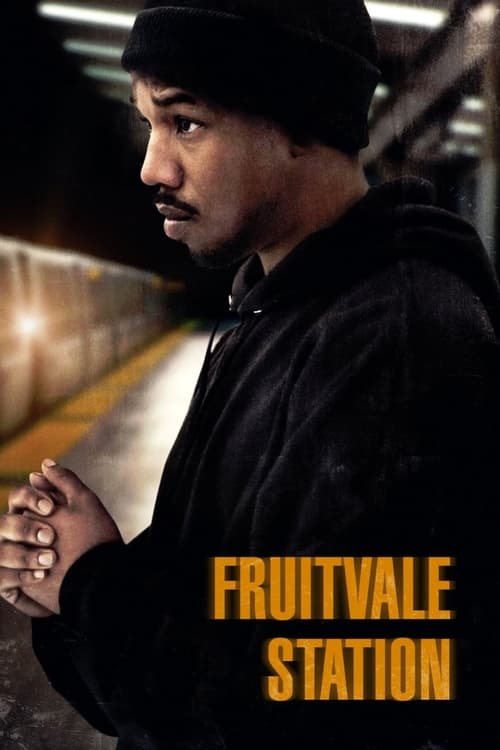
Fruitvale Station
Oakland, California. Young Afro-American Oscar Grant crosses paths with family members, friends, enemies and strangers before facing his fate on the platform at Fruitvale Station, in the early morning hours of New Year's Day 2009.
Despite its shoestring budget of $900K, Fruitvale Station became a runaway success, earning $17.6M worldwide—a remarkable 1856% return. The film's unconventional structure found its audience, proving that strong storytelling can transcend budget limitations.
36 wins & 58 nominations


Plot Structure
Story beats plotted across runtime


Narrative Arc
Emotional journey through the story's key moments
Story Circle
Blueprint 15-beat structure
Arcplot Score Breakdown
Weighted: Precision (70%) + Arc (15%) + Theme (15%)
Fruitvale Station (2013) reveals meticulously timed narrative architecture, characteristic of Ryan Coogler's storytelling approach. This structural analysis examines how the film's 15-point plot structure maps to proven narrative frameworks across 1 hour and 22 minutes. With an Arcplot score of 7.1, the film balances conventional beats with creative variation.
Characters
Cast & narrative archetypes

Oscar Grant III
Sophina
Wanda
Tatiana
Cale
Katie
Officer Caruso
Officer Ingram
Main Cast & Characters
Oscar Grant III
Played by Michael B. Jordan
A 22-year-old man trying to turn his life around while navigating fatherhood, unemployment, and his troubled past on the last day of his life.
Sophina
Played by Melonie Diaz
Oscar's devoted girlfriend and mother of his daughter, who supports him despite his past mistakes and struggles to trust his commitment to change.
Wanda
Played by Octavia Spencer
Oscar's caring and grounded mother who provides guidance and tough love while worrying about her son's safety and choices.
Tatiana
Played by Ariana Neal
Oscar's young daughter who adores her father and represents his motivation to become a better man.
Cale
Played by Michael Bacall
Oscar's loyal best friend who accompanies him on New Year's Eve and witnesses the tragic events at Fruitvale Station.
Katie
Played by Ahna O'Reilly
Oscar's supportive friend who joins the group for New Year's Eve celebrations and experiences the trauma at the BART station.
Officer Caruso
Played by Kevin Durand
An aggressive BART police officer who escalates the confrontation at Fruitvale Station, leading to the fatal shooting.
Officer Ingram
Played by Chad Michael Murray
A BART police officer involved in the detention and escalation of events on the platform.
Structural Analysis
The Status Quo at 1 minutes (1% through the runtime) establishes Cell phone footage of the actual BART platform incident from January 1, 2009. Chaotic, disturbing scene establishes the tragic end at the film's beginning, creating dramatic irony for everything that follows.. The analysis reveals that this early placement immediately immerses viewers in the story world.
The inciting incident occurs at 10 minutes when Flashback to Oscar's firing from his grocery store job for repeated lateness. His plea to his boss is rejected. This establishes Oscar's precarious situation and his struggle to maintain stability.. At 12% through the film, this Disruption aligns precisely with traditional story structure. This beat shifts the emotional landscape, launching the protagonist into the central conflict.
The First Threshold at 20 minutes marks the transition into Act II, occurring at 24% of the runtime. This shows the protagonist's commitment to Oscar dumps his remaining drugs into the bay, choosing to leave that life behind. This is his active choice to fully commit to being a better man, despite having no job and financial pressure., moving from reaction to action.
At 41 minutes, the Midpoint arrives at 51% of the runtime—precisely centered, creating perfect narrative symmetry. Significantly, this crucial beat Oscar and friends head to San Francisco for New Year's Eve celebration. False victory: everything seems to be coming together. He's with people he loves, celebrating new beginnings, hopeful about the new year., fundamentally raising what's at risk. The emotional intensity shifts, dividing the narrative into clear before-and-after phases.
The Collapse moment at 60 minutes (73% through) represents the emotional nadir. Here, BART police pull Oscar and friends off the train at Fruitvale station. Officer Caruso forces Oscar face-down on the platform. Officer Ingram shoots Oscar in the back. Literal death - the whiff becomes reality. Everything collapses., indicates the protagonist at their lowest point. This beat's placement in the final quarter sets up the climactic reversal.
The Second Threshold at 65 minutes initiates the final act resolution at 80% of the runtime. Title card: "Oscar Grant died in the early morning of January 1st, 2009." The realization solidifies: this young man trying to change his life was killed. The audience must carry this truth forward., demonstrating the transformation achieved throughout the journey.
Emotional Journey
Fruitvale Station's emotional architecture traces a deliberate progression across 15 carefully calibrated beats.
Narrative Framework
This structural analysis employs a 15-point narrative structure framework that maps key story moments. By mapping Fruitvale Station against these established plot points, we can identify how Ryan Coogler utilizes or subverts traditional narrative conventions. The plot point approach reveals not only adherence to structural principles but also creative choices that distinguish Fruitvale Station within the drama genre.
Ryan Coogler's Structural Approach
Among the 4 Ryan Coogler films analyzed on Arcplot, the average structural score is 6.7, demonstrating varied approaches to story architecture. Fruitvale Station represents one of the director's most structurally precise works. For comparative analysis, explore the complete Ryan Coogler filmography.
Comparative Analysis
Additional drama films include After Thomas, South Pacific and Dirty Dancing: Havana Nights. For more Ryan Coogler analyses, see Creed, Black Panther: Wakanda Forever and Black Panther.
Plot Points by Act
Act I
SetupStatus Quo
Cell phone footage of the actual BART platform incident from January 1, 2009. Chaotic, disturbing scene establishes the tragic end at the film's beginning, creating dramatic irony for everything that follows.
Theme
Oscar's mother Wanda tells him "You need to take the BART tonight" for New Year's Eve, emphasizing keeping out of trouble. The theme of fate, choices, and the preciousness of ordinary moments is established.
Worldbuilding
December 31, 2008. Oscar wakes with Sophina and Tatiana. We see his world: his family, his struggles (recently fired from job, past incarceration), his efforts to be better. He's a flawed but loving man trying to change.
Disruption
Flashback to Oscar's firing from his grocery store job for repeated lateness. His plea to his boss is rejected. This establishes Oscar's precarious situation and his struggle to maintain stability.
Resistance
Oscar navigates his day: preparing for his mother's birthday, buying crab, visiting his grandmother, dealing with selling drugs (which he ultimately refuses). He debates between his old life and new path. Small acts of kindness shown.
Act II
ConfrontationFirst Threshold
Oscar dumps his remaining drugs into the bay, choosing to leave that life behind. This is his active choice to fully commit to being a better man, despite having no job and financial pressure.
Mirror World
Intimate family celebration for Wanda's birthday. Sophina, Tatiana, and family surround Oscar with love. This world represents what Oscar is fighting for: connection, family, redemption, belonging.
Premise
The promise of the premise: watching Oscar's last ordinary day. Cooking, celebrating, caring for his daughter, making peace with Sophina. Humanizing moments that show his complexity, humor, love, and hope for the future.
Midpoint
Oscar and friends head to San Francisco for New Year's Eve celebration. False victory: everything seems to be coming together. He's with people he loves, celebrating new beginnings, hopeful about the new year.
Opposition
On the BART train returning home, Oscar encounters Katie (woman from grocery store). Small conflict with guy from prison. Tension builds as the train fills with New Year's revelers. The atmosphere shifts from celebration to unease.
Collapse
BART police pull Oscar and friends off the train at Fruitvale station. Officer Caruso forces Oscar face-down on the platform. Officer Ingram shoots Oscar in the back. Literal death - the whiff becomes reality. Everything collapses.
Crisis
Chaos on the platform. Oscar bleeding, friends screaming, crowd filming. Rushed to hospital. Sophina arrives, devastated. Wanda holds her dying son. The emotional darkness of senseless loss, grief, and injustice.
Act III
ResolutionSecond Threshold
Title card: "Oscar Grant died in the early morning of January 1st, 2009." The realization solidifies: this young man trying to change his life was killed. The audience must carry this truth forward.
Synthesis
Real footage and photos of Oscar, his family, protests, aftermath. Officer Ingram's conviction information. The finale synthesizes the personal tragedy with the larger social movement. Justice sought but incomplete.
Transformation
Image of real Oscar Grant with his daughter. The life that was lost. Where Status Quo showed chaos and death first, Transformation shows the love and humanity that was taken. The "after" is absence, memory, and a call to action.