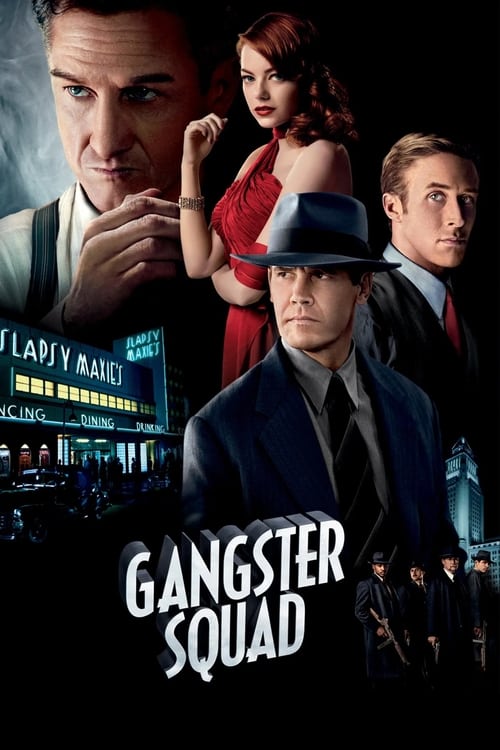
Gangster Squad
Los Angeles, 1949. Ruthless, Brooklyn-born mob king Mickey Cohen runs the show in this town, reaping the ill-gotten gains from the drugs, the guns, the prostitutes and — if he has his way — every wire bet placed west of Chicago. And he does it all with the protection of not only his own paid goons, but also the police and the politicians who are under his control. It’s enough to intimidate even the bravest, street-hardened cop… except, perhaps, for the small, secret crew of LAPD outsiders led by Sgt. John O’Mara and Jerry Wooters who come together to try to tear Cohen’s world apart.
Working with a moderate budget of $60.0M, the film achieved a modest success with $105.2M in global revenue (+75% profit margin).


Plot Structure
Story beats plotted across runtime


Narrative Arc
Emotional journey through the story's key moments
Story Circle
Blueprint 15-beat structure
Arcplot Score Breakdown
Weighted: Precision (70%) + Arc (15%) + Theme (15%)
Gangster Squad (2013) exemplifies precise plot construction, characteristic of Ruben Fleischer's storytelling approach. This structural analysis examines how the film's 15-point plot structure maps to proven narrative frameworks across 1 hour and 53 minutes. With an Arcplot score of 6.1, the film takes an unconventional approach to traditional narrative frameworks.
Characters
Cast & narrative archetypes

Sgt. John O'Mara
Jerry Wooters
Mickey Cohen
Grace Faraday
Chief Bill Parker
Officer Coleman Harris
Officer Conwell Keeler
Officer Max Kennard
Officer Navidad Ramirez
Main Cast & Characters
Sgt. John O'Mara
Played by Josh Brolin
An incorruptible LAPD sergeant who leads a secret squad to take down Mickey Cohen
Jerry Wooters
Played by Ryan Gosling
A cynical detective who becomes motivated to fight corruption after falling for Grace Faraday
Mickey Cohen
Played by Sean Penn
Ruthless mob kingpin who controls Los Angeles through violence and corruption
Grace Faraday
Played by Emma Stone
Mickey Cohen's etiquette coach and mistress who becomes romantically involved with Jerry Wooters
Chief Bill Parker
Played by Nick Nolte
LAPD Police Chief who recruits O'Mara to form an off-the-books squad
Officer Coleman Harris
Played by Anthony Mackie
Intelligence officer and skilled wire-tapper who joins the Gangster Squad
Officer Conwell Keeler
Played by Giovanni Ribisi
Sharpshooter and family man from the Old West tradition who joins the squad
Officer Max Kennard
Played by Robert Patrick
Keeler's partner and fellow gunslinger who provides muscle for the squad
Officer Navidad Ramirez
Played by Michael Peña
Rookie officer and knife specialist who proves his worth to the squad
Structural Analysis
The Status Quo at 2 minutes (2% through the runtime) establishes Mickey Cohen's brutal execution of a rival gangster torn apart by cars establishes the lawless, violent world of 1949 Los Angeles under mob control.. Significantly, this early placement immediately immerses viewers in the story world.
The inciting incident occurs at 14 minutes when Chief Parker recruits O'Mara for an off-the-books mission to take down Mickey Cohen by any means necessary, outside the law.. At 12% through the film, this Disruption aligns precisely with traditional story structure. This beat shifts the emotional landscape, launching the protagonist into the central conflict.
The First Threshold at 29 minutes marks the transition into Act II, occurring at 25% of the runtime. This indicates the protagonist's commitment to The Gangster Squad conducts their first raid, destroying Cohen's casino and directly challenging his empire. They've crossed the line into vigilante justice., moving from reaction to action.
At 57 minutes, the Midpoint arrives at 50% of the runtime—precisely centered, creating perfect narrative symmetry. Of particular interest, this crucial beat Cohen discovers the existence of the secret squad and declares war. The hotel assault becomes a bloodbath; the stakes shift from offensive raids to survival as Cohen hunts them., fundamentally raising what's at risk. The emotional intensity shifts, dividing the narrative into clear before-and-after phases.
The Collapse moment at 85 minutes (75% through) represents the emotional nadir. Here, Officer Kennard is killed in an ambush by Cohen's men. The squad attends his funeral, facing the deadly cost of their mission and questioning if they've become monsters themselves., demonstrates the protagonist at their lowest point. This beat's placement in the final quarter sets up the climactic reversal.
The Second Threshold at 91 minutes initiates the final act resolution at 80% of the runtime. Intelligence reveals Cohen's meeting with East Coast mobsters at Park Plaza. The squad realizes this is their final chance to end Cohen and choose to face him in direct confrontation., demonstrating the transformation achieved throughout the journey.
Emotional Journey
Gangster Squad's emotional architecture traces a deliberate progression across 15 carefully calibrated beats.
Narrative Framework
This structural analysis employs proven narrative structure principles that track dramatic progression. By mapping Gangster Squad against these established plot points, we can identify how Ruben Fleischer utilizes or subverts traditional narrative conventions. The plot point approach reveals not only adherence to structural principles but also creative choices that distinguish Gangster Squad within the crime genre.
Ruben Fleischer's Structural Approach
Among the 6 Ruben Fleischer films analyzed on Arcplot, the average structural score is 7.1, reflecting strong command of classical structure. Gangster Squad takes a more unconventional approach compared to the director's typical style. For comparative analysis, explore the complete Ruben Fleischer filmography.
Comparative Analysis
Additional crime films include The Bad Guys, Rustom and The Whole Ten Yards. For more Ruben Fleischer analyses, see Uncharted, 30 Minutes or Less and Venom.
Plot Points by Act
Act I
SetupStatus Quo
Mickey Cohen's brutal execution of a rival gangster torn apart by cars establishes the lawless, violent world of 1949 Los Angeles under mob control.
Theme
Chief Parker tells O'Mara: "You're a good man in a bad time" - establishing the central question of whether good men must become like their enemies to win.
Worldbuilding
Introduction to 1949 LA under Mickey Cohen's control, Sgt. O'Mara as an idealistic war hero cop, his pregnant wife Connie, and the corrupt system where judges and police are bought.
Disruption
Chief Parker recruits O'Mara for an off-the-books mission to take down Mickey Cohen by any means necessary, outside the law.
Resistance
O'Mara wrestles with the moral implications, discusses with his wife Connie who ultimately supports him. He recruits his team: Wooters, Coleman Harris, Kennard, Keeler, and Ramirez.
Act II
ConfrontationFirst Threshold
The Gangster Squad conducts their first raid, destroying Cohen's casino and directly challenging his empire. They've crossed the line into vigilante justice.
Mirror World
Wooters deepens his relationship with Grace Faraday, Cohen's etiquette tutor and secret girlfriend, representing the possibility of something pure in a corrupt world.
Premise
The squad executes multiple raids hitting Cohen's operations: brothels, drug dens, wire rooms. Each victory escalates the war while Wooters navigates his dangerous romance with Grace.
Midpoint
Cohen discovers the existence of the secret squad and declares war. The hotel assault becomes a bloodbath; the stakes shift from offensive raids to survival as Cohen hunts them.
Opposition
Cohen retaliates viciously, closing in on the squad's identities. The team suffers casualties and moral conflicts intensify. Wooters' relationship with Grace is exposed, creating internal division.
Collapse
Officer Kennard is killed in an ambush by Cohen's men. The squad attends his funeral, facing the deadly cost of their mission and questioning if they've become monsters themselves.
Crisis
The squad fractures in grief and doubt. O'Mara offers to release them from the mission, but each member chooses to stay and finish what they started, accepting the cost.
Act III
ResolutionSecond Threshold
Intelligence reveals Cohen's meeting with East Coast mobsters at Park Plaza. The squad realizes this is their final chance to end Cohen and choose to face him in direct confrontation.
Synthesis
The climactic hotel battle where the squad fights Cohen's army. O'Mara confronts Cohen in brutal hand-to-hand combat, ultimately defeating him not by killing him but by arresting him legally.
Transformation
O'Mara returns home to his wife and newborn baby, having preserved his soul by choosing law over vengeance. LA is free from Cohen's grip, and the good man found a way to stay good.