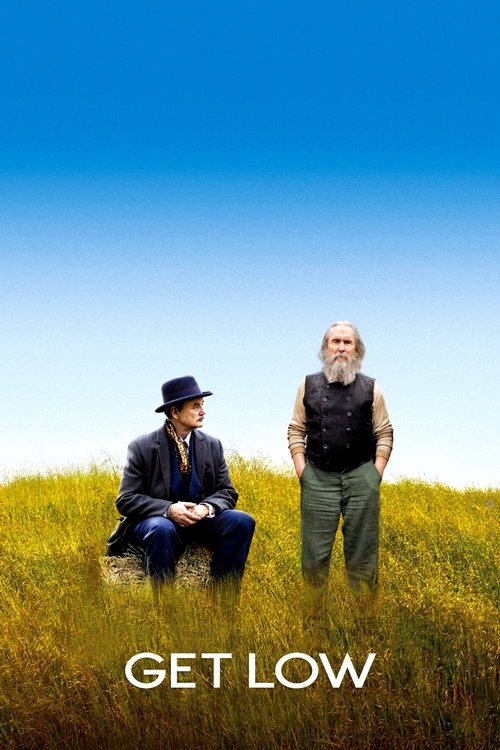
Get Low
A movie spun out of equal parts folk tale, fable and real-life legend about the mysterious, 1930s Tennessee hermit who famously threw his own rollicking funeral party... while he was still alive.
Despite its extremely modest budget of $700K, Get Low became a runaway success, earning $10.5M worldwide—a remarkable 1403% return. The film's compelling narrative found its audience, confirming that strong storytelling can transcend budget limitations.
4 wins & 28 nominations


Plot Structure
Story beats plotted across runtime


Narrative Arc
Emotional journey through the story's key moments
Story Circle
Blueprint 15-beat structure
Arcplot Score Breakdown
Weighted: Precision (70%) + Arc (15%) + Theme (15%)
Get Low (2010) showcases deliberately positioned story structure, characteristic of Aaron Schneider's storytelling approach. This structural analysis examines how the film's 15-point plot structure maps to proven narrative frameworks across 1 hour and 43 minutes. With an Arcplot score of 7.6, the film showcases strong structural fundamentals.
Characters
Cast & narrative archetypes

Felix Bush
Frank Quinn
Buddy Robinson
Mattie Darrow
Reverend Charlie Jackson
Main Cast & Characters
Felix Bush
Played by Robert Duvall
A hermit who has lived in isolation for 40 years, planning his own funeral party to face his past and seek redemption for a tragic secret.
Frank Quinn
Played by Bill Murray
A struggling funeral director who sees Felix's funeral party as a business opportunity but develops genuine respect for the old hermit.
Buddy Robinson
Played by Lucas Black
Frank's earnest young assistant at the funeral home who helps organize Felix's unusual funeral party.
Mattie Darrow
Played by Sissy Spacek
Felix's former love from 40 years ago, now widowed, who represents his lost chance at happiness and redemption.
Reverend Charlie Jackson
Played by Bill Cobbs
A wise minister who knew Felix in the past and becomes instrumental in helping him face his demons and tell his truth.
Structural Analysis
The Status Quo at 1 minutes (1% through the runtime) establishes Felix Bush lives as a hermit in the Tennessee woods, feared and isolated from society. A mysterious fire opens the film, establishing his dark past and self-imposed exile.. Structural examination shows that this early placement immediately immerses viewers in the story world.
The inciting incident occurs at 12 minutes when Felix decides to plan his own "funeral party" while he's still alive. He walks into Quinn's funeral home with a wagon full of money, disrupting both his isolation and Quinn's desperation.. At 12% through the film, this Disruption aligns precisely with traditional story structure. This beat shifts the emotional landscape, launching the protagonist into the central conflict.
The First Threshold at 26 minutes marks the transition into Act II, occurring at 25% of the runtime. This demonstrates the protagonist's commitment to Felix commits fully to the funeral party plan and begins promoting it publicly. He leaves his hermit existence and re-enters society to face his past, actively choosing this path., moving from reaction to action.
At 52 minutes, the Midpoint arrives at 50% of the runtime—precisely centered, creating perfect narrative symmetry. Notably, this crucial beat Felix learns that Mattie's late husband was the Reverend Charlie Jackson. The truth about his past relationship with Mattie deepens. Stakes raise as Felix realizes confession will be harder than anticipated., fundamentally raising what's at risk. The emotional intensity shifts, dividing the narrative into clear before-and-after phases.
The Collapse moment at 77 minutes (75% through) represents the emotional nadir. Here, Charlie Jackson reveals the full truth: Felix loved a married woman (Mary Lee) who died in a fire Felix escaped from. Felix's greatest fear—that the truth will destroy his last chance at redemption—surfaces., indicates the protagonist at their lowest point. This beat's placement in the final quarter sets up the climactic reversal.
The Second Threshold at 82 minutes initiates the final act resolution at 80% of the runtime. Felix chooses truth over comfort. At the funeral party before hundreds, he publicly confesses his story: his affair, the fire, Mary Lee's death, and his 40 years of self-imposed exile., demonstrating the transformation achieved throughout the journey.
Emotional Journey
Get Low's emotional architecture traces a deliberate progression across 15 carefully calibrated beats.
Narrative Framework
This structural analysis employs systematic plot point analysis that identifies crucial turning points. By mapping Get Low against these established plot points, we can identify how Aaron Schneider utilizes or subverts traditional narrative conventions. The plot point approach reveals not only adherence to structural principles but also creative choices that distinguish Get Low within the drama genre.
Comparative Analysis
Additional drama films include After Thomas, South Pacific and Dirty Dancing: Havana Nights.
Plot Points by Act
Act I
SetupStatus Quo
Felix Bush lives as a hermit in the Tennessee woods, feared and isolated from society. A mysterious fire opens the film, establishing his dark past and self-imposed exile.
Theme
Reverend Gus Horton tells Felix: "A man can't sell his soul for 40 years and expect to buy it back with a few good deeds." Theme of redemption and whether past sins can be forgiven is stated.
Worldbuilding
Felix's isolated life is established. Frank Quinn's struggling funeral home needs business. The town's fear and rumors about Felix are shown. Felix hears about a neighbor's funeral.
Disruption
Felix decides to plan his own "funeral party" while he's still alive. He walks into Quinn's funeral home with a wagon full of money, disrupting both his isolation and Quinn's desperation.
Resistance
Frank and Buddy debate taking Felix's business. Felix plans the unconventional funeral party. He insists people tell stories about him. The reverend refuses to participate, deepening the mystery.
Act II
ConfrontationFirst Threshold
Felix commits fully to the funeral party plan and begins promoting it publicly. He leaves his hermit existence and re-enters society to face his past, actively choosing this path.
Mirror World
Felix reconnects with Mattie Darrow, a woman from his past. She represents the love and life he abandoned 40 years ago, embodying the theme of redemption and truth-telling.
Premise
The funeral party takes shape. Felix experiences connection with townspeople. He courts Mattie carefully. Radio promotion spreads word. The promise of the premise: watching a hermit plan his own party.
Midpoint
Felix learns that Mattie's late husband was the Reverend Charlie Jackson. The truth about his past relationship with Mattie deepens. Stakes raise as Felix realizes confession will be harder than anticipated.
Opposition
Felix struggles with whether to tell his true story. Mattie pressures him for honesty. The funeral party grows bigger. Felix seeks out Charlie Jackson, the last living witness to his secret.
Collapse
Charlie Jackson reveals the full truth: Felix loved a married woman (Mary Lee) who died in a fire Felix escaped from. Felix's greatest fear—that the truth will destroy his last chance at redemption—surfaces.
Crisis
Felix contemplates whether to go through with public confession at the party. He faces the emotional weight of 40 years of guilt and isolation. The funeral party day arrives.
Act III
ResolutionSecond Threshold
Felix chooses truth over comfort. At the funeral party before hundreds, he publicly confesses his story: his affair, the fire, Mary Lee's death, and his 40 years of self-imposed exile.
Synthesis
The townspeople hear Felix's confession. He achieves the redemption he sought through radical honesty. Mattie understands. The raffle drawing occurs. Felix distributes his land to a young attendee.
Transformation
Felix, no longer isolated, stands peacefully among people. Later, he dies alone but at peace, his confession complete. The closing image shows his actual funeral—attended, honored, remembered truthfully.