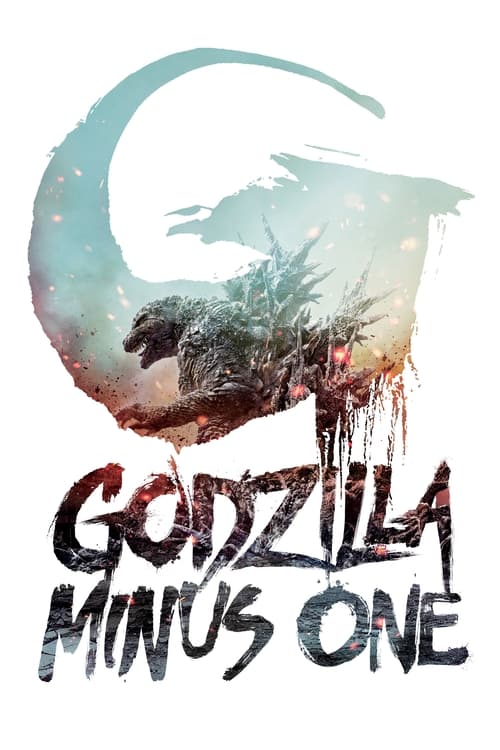
Godzilla Minus One
In postwar Japan, Godzilla brings new devastation to an already scorched landscape. With no military intervention or government help in sight, the survivors must join together in the face of despair and fight back against an unrelenting horror.
Despite a moderate budget of $15.0M, Godzilla Minus One became a box office phenomenon, earning $113.7M worldwide—a remarkable 658% return.
1 Oscar. 44 wins & 62 nominations


Plot Structure
Story beats plotted across runtime


Narrative Arc
Emotional journey through the story's key moments
Story Circle
Blueprint 15-beat structure
Arcplot Score Breakdown
Weighted: Precision (70%) + Arc (15%) + Theme (15%)
Godzilla Minus One (2023) showcases precise narrative architecture, characteristic of Takashi Yamazaki's storytelling approach. This structural analysis examines how the film's 15-point plot structure maps to proven narrative frameworks across 2 hours and 4 minutes. With an Arcplot score of 6.7, the film balances conventional beats with creative variation.
Characters
Cast & narrative archetypes

Koichi Shikishima
Noriko Oishi
Kenji Noda
Sosaku Tachibana
Yoji Akitsu
Sumiko Ota
Akiko
Main Cast & Characters
Koichi Shikishima
Played by Ryunosuke Kamiki
A kamikaze pilot haunted by his failure to sacrifice himself, who finds redemption by protecting others from Godzilla.
Noriko Oishi
Played by Minami Hamabe
A young woman who survives the Tokyo firebombing and forms a makeshift family with Koichi, representing hope and resilience.
Kenji Noda
Played by Hidetaka Yoshioka
A brilliant former naval weapons engineer who devises the plan to destroy Godzilla using deep-sea pressure.
Sosaku Tachibana
Played by Munetaka Aoki
The lead mechanic at Shinsei Maru who lost his family to Godzilla and seeks revenge while supporting Koichi.
Yoji Akitsu
Played by Kuranosuke Sasaki
A skilled navigator and sailor who helps organize the civilian fleet against Godzilla.
Sumiko Ota
Played by Sakura Ando
Koichi's neighbor and surrogate mother figure who helps care for Akiko while pushing Koichi to embrace life.
Akiko
Played by Sae Nagatani
The orphaned baby girl that Noriko rescues and raises with Koichi, symbolizing innocent hope and new life.
Structural Analysis
The Status Quo at 1 minutes (1% through the runtime) establishes Koichi Shikishima lands his damaged Zero fighter on Odo Island in 1945, claiming mechanical failure. He is a kamikaze pilot who has avoided his duty, carrying shame and seeking to survive the final days of the war.. Of particular interest, this early placement immediately immerses viewers in the story world.
The inciting incident occurs at 15 minutes when Godzilla attacks Koichi's minesweeper boat, growing to enormous size after exposure to American nuclear tests at Bikini Atoll. The creature that Koichi failed to fight on Odo Island has returned, now mutated into an unstoppable force, making his past cowardice impossible to escape.. At 12% through the film, this Disruption aligns precisely with traditional story structure. This beat shifts the emotional landscape, launching the protagonist into the central conflict.
The First Threshold at 30 minutes marks the transition into Act II, occurring at 24% of the runtime. This illustrates the protagonist's commitment to Godzilla makes landfall in Ginza, Tokyo, devastating the city with its atomic breath. Koichi witnesses the destruction firsthand and sees Noriko caught in the blast zone. He chooses to enter the fight, no longer able to remain passive, though he believes Noriko has been killed—making his war personal and unavoidable., moving from reaction to action.
At 62 minutes, the Midpoint arrives at 50% of the runtime—precisely centered, creating perfect narrative symmetry. Of particular interest, this crucial beat The civilian plan gains full support from volunteers across Japan. Former navy crews, fishing boats, and even a destroyer captain defy orders to join the operation. What seemed like a hopeless suicide mission becomes a united national effort, raising the stakes and transforming the mission into something bigger than revenge—a fight for Japan's future and dignity., fundamentally raising what's at risk. The emotional intensity shifts, dividing the narrative into clear before-and-after phases.
The Collapse moment at 92 minutes (74% through) represents the emotional nadir. Here, Godzilla destroys multiple ships and prepares to annihilate the entire fleet. The plan has failed, and Koichi realizes that only a direct kamikaze attack with his armed plane can destroy the monster—the very sacrifice he avoided in the war. He faces the truth: to atone for surviving, he must finally complete the mission he ran from., indicates the protagonist at their lowest point. This beat's placement in the final quarter sets up the climactic reversal.
The Second Threshold at 99 minutes initiates the final act resolution at 80% of the runtime. Noda and the crew reveal they've installed an ejection seat in Koichi's plane without his knowledge. This new information—that his crew values his life over his death—gives Koichi the synthesis he needs: he can complete his sacrifice AND choose life. The mission is no longer about dying for redemption, but living for others., demonstrating the transformation achieved throughout the journey.
Emotional Journey
Godzilla Minus One's emotional architecture traces a deliberate progression across 15 carefully calibrated beats.
Narrative Framework
This structural analysis employs structural analysis methodology used to understand storytelling architecture. By mapping Godzilla Minus One against these established plot points, we can identify how Takashi Yamazaki utilizes or subverts traditional narrative conventions. The plot point approach reveals not only adherence to structural principles but also creative choices that distinguish Godzilla Minus One within the science fiction genre.
Takashi Yamazaki's Structural Approach
Among the 4 Takashi Yamazaki films analyzed on Arcplot, the average structural score is 6.8, demonstrating varied approaches to story architecture. Godzilla Minus One takes a more unconventional approach compared to the director's typical style. For comparative analysis, explore the complete Takashi Yamazaki filmography.
Comparative Analysis
Additional science fiction films include The Postman, Mad Max 2 and AVP: Alien vs. Predator. For more Takashi Yamazaki analyses, see The Eternal Zero, Juvenile and Lupin III: The First.
Plot Points by Act
Act I
SetupStatus Quo
Koichi Shikishima lands his damaged Zero fighter on Odo Island in 1945, claiming mechanical failure. He is a kamikaze pilot who has avoided his duty, carrying shame and seeking to survive the final days of the war.
Theme
Lead mechanic Tachibana tells Koichi: "Your war isn't over." This statement encapsulates the film's central theme—that survival creates an obligation to live for something greater than oneself, and that redemption requires confronting the guilt of living when others died.
Worldbuilding
Post-war Japan, 1945-1947. Koichi returns to a destroyed Tokyo where his family died in the firebombing. He meets Noriko, a young woman with an orphaned baby, and reluctantly allows them to live with him. Koichi takes a dangerous job clearing mines from the ocean. The world establishes themes of survivor guilt, a destroyed nation rebuilding, and the psychological cost of war.
Disruption
Godzilla attacks Koichi's minesweeper boat, growing to enormous size after exposure to American nuclear tests at Bikini Atoll. The creature that Koichi failed to fight on Odo Island has returned, now mutated into an unstoppable force, making his past cowardice impossible to escape.
Resistance
Koichi struggles with revealing the truth about Godzilla to authorities and to his makeshift family. He debates whether to fight or flee, haunted by his failure on Odo Island. The government and US occupation forces refuse to help Japan defend itself, leaving the nation vulnerable and alone. Koichi must decide whether to face the monster or continue running from his past.
Act II
ConfrontationFirst Threshold
Godzilla makes landfall in Ginza, Tokyo, devastating the city with its atomic breath. Koichi witnesses the destruction firsthand and sees Noriko caught in the blast zone. He chooses to enter the fight, no longer able to remain passive, though he believes Noriko has been killed—making his war personal and unavoidable.
Mirror World
Koichi discovers Noriko survived but is hospitalized and unconscious. His relationship with her and the baby Akiko represents the life and future he fights for—the emotional core that contrasts with his death-focused guilt. This subplot carries the theme of choosing life over death, connection over isolation.
Premise
Koichi and his minesweeper crew join forces with former naval weapons engineer Kenji Noda to develop a plan to destroy Godzilla without government support. They recruit civilian volunteers and develop a strategy using freon tanks to exploit Godzilla's rapid pressure changes. This is the promise of the premise—ordinary citizens rising to defend their nation when their government cannot.
Midpoint
The civilian plan gains full support from volunteers across Japan. Former navy crews, fishing boats, and even a destroyer captain defy orders to join the operation. What seemed like a hopeless suicide mission becomes a united national effort, raising the stakes and transforming the mission into something bigger than revenge—a fight for Japan's future and dignity.
Opposition
The plan to trap and kill Godzilla is launched. Initial success turns to disaster when Godzilla breaks free from the freon trap and begins regenerating. The civilian fleet faces complete annihilation as Godzilla prepares to use its atomic breath. Koichi's guilt intensifies as he sees more people dying because of his plan, echoing his original failure on Odo Island.
Collapse
Godzilla destroys multiple ships and prepares to annihilate the entire fleet. The plan has failed, and Koichi realizes that only a direct kamikaze attack with his armed plane can destroy the monster—the very sacrifice he avoided in the war. He faces the truth: to atone for surviving, he must finally complete the mission he ran from.
Crisis
Koichi loads his plane with explosives and prepares for a suicide attack. He records a final message accepting that his war is finally over. In his darkest moment, he finds peace in choosing sacrifice—not from duty or shame, but from love for the people he wants to protect. This is his dark night, transformed into acceptance.
Act III
ResolutionSecond Threshold
Noda and the crew reveal they've installed an ejection seat in Koichi's plane without his knowledge. This new information—that his crew values his life over his death—gives Koichi the synthesis he needs: he can complete his sacrifice AND choose life. The mission is no longer about dying for redemption, but living for others.
Synthesis
Koichi pilots his explosive-laden plane directly into Godzilla's mouth as it charges its atomic breath, causing an internal detonation. The fleet immediately deploys the backup plan, dragging Godzilla into an ocean trench using freon balloons, then using explosives to create a pressure change that destroys the creature. Koichi ejects at the last second, choosing survival. The civilian operation succeeds where the military failed.
Transformation
Koichi returns home to find Noriko has recovered and is reunited with him and Akiko. He embraces his family, his face free of the haunted guilt seen in the opening. Where he once saw survival as shame, he now sees it as responsibility—his war is truly over, and he has earned the right to live.