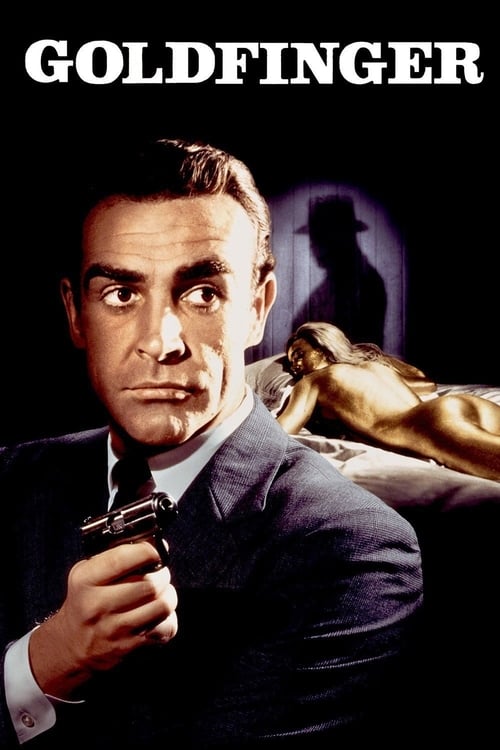
Goldfinger
Special agent 007 comes face to face with one of the most notorious villains of all time, and now he must outwit and outgun the powerful tycoon to prevent him from cashing in on a devious scheme to raid Fort Knox -- and obliterate the world's economy.
Despite its modest budget of $3.0M, Goldfinger became a massive hit, earning $124.9M worldwide—a remarkable 4063% return. The film's compelling narrative resonated with audiences, illustrating how strong storytelling can transcend budget limitations.
1 Oscar. 7 wins & 6 nominations


Plot Structure
Story beats plotted across runtime


Narrative Arc
Emotional journey through the story's key moments
Story Circle
Blueprint 15-beat structure
Arcplot Score Breakdown
Weighted: Precision (70%) + Arc (15%) + Theme (15%)
Goldfinger (1964) showcases carefully calibrated plot construction, characteristic of Guy Hamilton's storytelling approach. This structural analysis examines how the film's 15-point plot structure maps to proven narrative frameworks across 1 hour and 50 minutes. With an Arcplot score of 6.5, the film balances conventional beats with creative variation.
Characters
Cast & narrative archetypes
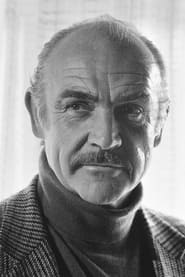
James Bond
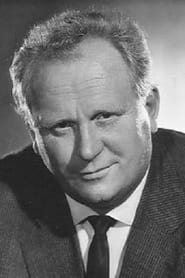
Auric Goldfinger

Pussy Galore
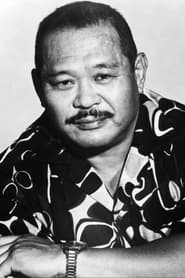
Oddjob
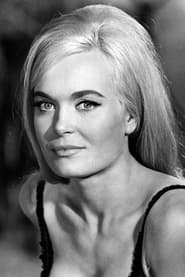
Jill Masterson
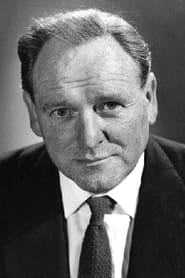
M
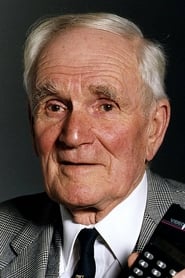
Q
Main Cast & Characters
James Bond
Played by Sean Connery
British secret agent 007 tasked with investigating Auric Goldfinger's gold smuggling operation. Charming, resourceful, and deadly when necessary.
Auric Goldfinger
Played by Gert Fröbe
Wealthy gold smuggler and obsessive accumulator planning Operation Grand Slam to irradiate Fort Knox. Cold, methodical, and ruthlessly efficient.
Pussy Galore
Played by Honor Blackman
Goldfinger's personal pilot and leader of an all-female flying circus. Initially loyal to Goldfinger but eventually aids Bond.
Oddjob
Played by Harold Sakata
Goldfinger's Korean manservant and lethal enforcer with a razor-rimmed bowler hat. Silent, strong, and utterly loyal.
Jill Masterson
Played by Shirley Eaton
Goldfinger's paid assistant who helps him cheat at cards. Betrays Goldfinger for Bond and pays the ultimate price.
M
Played by Bernard Lee
Head of MI6 who assigns Bond the mission to investigate Goldfinger. Authoritative and no-nonsense.
Q
Played by Desmond Llewelyn
MI6's gadget master who equips Bond with modified Aston Martin DB5 and other devices. Practical and slightly exasperated by Bond's recklessness.
Structural Analysis
The Status Quo at 1 minutes (1% through the runtime) establishes Bond emerges from water, removes wetsuit to reveal perfect tuxedo underneath. He's the consummate professional spy - cool, efficient, detached, using charm as a tool.. Significantly, this early placement immediately immerses viewers in the story world.
The inciting incident occurs at 12 minutes when Bond catches Goldfinger cheating at gin rummy and intervenes. Jill Masterson helps Bond expose the cheating scheme. This disrupts Bond's simple observation mission and draws him directly into Goldfinger's orbit.. At 11% through the film, this Disruption aligns precisely with traditional story structure. This beat shifts the emotional landscape, launching the protagonist into the central conflict.
The First Threshold at 27 minutes marks the transition into Act II, occurring at 24% of the runtime. This shows the protagonist's commitment to Bond actively chooses to tail Goldfinger through Switzerland, using the Aston Martin. He crosses from observation into active pursuit, committing fully to the mission and entering Goldfinger's world., moving from reaction to action.
At 56 minutes, the Midpoint arrives at 50% of the runtime—precisely centered, creating perfect narrative symmetry. Significantly, this crucial beat Goldfinger reveals his true plan: not to steal the gold from Fort Knox, but to irradiate it with a dirty bomb, making it unusable and increasing the value of his own gold. The stakes raise enormously - from robbery to economic terrorism. False victory: Bond is alive and learning the plan. False defeat: he's captive and helpless., fundamentally raising what's at risk. The emotional intensity shifts, dividing the narrative into clear before-and-after phases.
The Collapse moment at 82 minutes (75% through) represents the emotional nadir. Here, Bond is handcuffed to the atomic bomb inside Fort Knox as the timer counts down. He appears completely defeated - the bomb will detonate, millions will die, and he's powerless to stop it. Whiff of death: Bond faces actual nuclear annihilation., indicates the protagonist at their lowest point. This beat's placement in the final quarter sets up the climactic reversal.
The Second Threshold at 87 minutes initiates the final act resolution at 79% of the runtime. Bond defeats Oddjob using his wits (electrocution on the metal bars). An American specialist defuses the bomb with 007 seconds remaining. Revelation: Pussy Galore did switch sides and alerted the Americans. Bond's faith in human nature over greed is validated., demonstrating the transformation achieved throughout the journey.
Emotional Journey
Goldfinger's emotional architecture traces a deliberate progression across 15 carefully calibrated beats.
Narrative Framework
This structural analysis employs structural analysis methodology used to understand storytelling architecture. By mapping Goldfinger against these established plot points, we can identify how Guy Hamilton utilizes or subverts traditional narrative conventions. The plot point approach reveals not only adherence to structural principles but also creative choices that distinguish Goldfinger within the adventure genre.
Guy Hamilton's Structural Approach
Among the 7 Guy Hamilton films analyzed on Arcplot, the average structural score is 6.9, demonstrating varied approaches to story architecture. Goldfinger takes a more unconventional approach compared to the director's typical style. For comparative analysis, explore the complete Guy Hamilton filmography.
Comparative Analysis
Additional adventure films include The Black Stallion, The Bad Guys and Puss in Boots. For more Guy Hamilton analyses, see Live and Let Die, The Mirror Crack'd and Force 10 from Navarone.
Plot Points by Act
Act I
SetupStatus Quo
Bond emerges from water, removes wetsuit to reveal perfect tuxedo underneath. He's the consummate professional spy - cool, efficient, detached, using charm as a tool.
Theme
M warns Bond about being involved with Goldfinger: "Man has a mania for gold. All the government agents in the world couldn't stop him." Theme: obsession is dangerous and corrupting.
Worldbuilding
Bond completes mission in pre-title sequence, meets with M and receives briefing about Goldfinger. Establishes Bond's world of espionage, gadgets (introduction to Q), and his methods. Bond observes Goldfinger cheating at cards in Miami.
Disruption
Bond catches Goldfinger cheating at gin rummy and intervenes. Jill Masterson helps Bond expose the cheating scheme. This disrupts Bond's simple observation mission and draws him directly into Goldfinger's orbit.
Resistance
Bond romances Jill Masterson but she's killed (painted in gold). Bond debates whether to pursue Goldfinger personally or stay professional. M officially assigns Bond to investigate Goldfinger's gold smuggling. Q provides gadget-equipped Aston Martin.
Act II
ConfrontationFirst Threshold
Bond actively chooses to tail Goldfinger through Switzerland, using the Aston Martin. He crosses from observation into active pursuit, committing fully to the mission and entering Goldfinger's world.
Mirror World
Bond meets Pussy Galore, Goldfinger's personal pilot. She represents the thematic mirror - someone working for obsessive greed who must choose between loyalty and doing what's right. She's immune to Bond's usual charm.
Premise
Bond infiltrates Goldfinger's operation, gets captured, survives the iconic laser table scene, and learns about "Operation Grand Slam." Transported to America. This is classic Bond - investigating, seducing, using gadgets, gathering intelligence on the villain's master plan.
Midpoint
Goldfinger reveals his true plan: not to steal the gold from Fort Knox, but to irradiate it with a dirty bomb, making it unusable and increasing the value of his own gold. The stakes raise enormously - from robbery to economic terrorism. False victory: Bond is alive and learning the plan. False defeat: he's captive and helpless.
Opposition
Bond is prisoner while Goldfinger executes Grand Slam. Gangsters are killed. Pussy Galore remains loyal to Goldfinger despite Bond's attempts to turn her. Bond is completely powerless as the attack on Fort Knox begins. Opposition tightens with each scene.
Collapse
Bond is handcuffed to the atomic bomb inside Fort Knox as the timer counts down. He appears completely defeated - the bomb will detonate, millions will die, and he's powerless to stop it. Whiff of death: Bond faces actual nuclear annihilation.
Crisis
Bond struggles against the handcuffs as the timer counts down. Goldfinger and Oddjob battle Bond. This is Bond's dark night - he must rely on hope that Pussy turned, that his message got through, that help will arrive.
Act III
ResolutionSecond Threshold
Bond defeats Oddjob using his wits (electrocution on the metal bars). An American specialist defuses the bomb with 007 seconds remaining. Revelation: Pussy Galore did switch sides and alerted the Americans. Bond's faith in human nature over greed is validated.
Synthesis
Bond is being flown to meet the President. Goldfinger hijacks the plane for final confrontation. Bond defeats Goldfinger (sucked out of airplane window). Bond and Pussy parachute to safety, choosing life and love over duty and debriefing.
Transformation
Bond and Pussy Galore embrace under the parachute, hiding from the rescue helicopter. Unlike the opening where Bond was detached and using seduction as a tool, here he chooses genuine connection over duty. The mission is complete but Bond chooses the human moment.