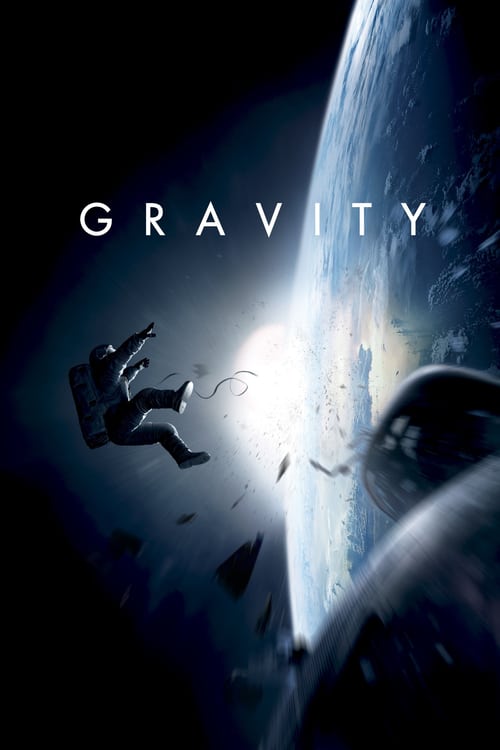
Gravity
Dr Ryan Stone, an engineer on her first space mission, and Matt Kowalski, an astronaut on his final expedition, have to survive in space after they are hit by debris while spacewalking.
Despite a substantial budget of $105.0M, Gravity became a box office phenomenon, earning $723.2M worldwide—a remarkable 589% return.
7 Oscars. 240 wins & 188 nominations


Plot Structure
Story beats plotted across runtime


Narrative Arc
Emotional journey through the story's key moments
Story Circle
Blueprint 15-beat structure
Characters
Cast & narrative archetypes

Dr. Ryan Stone
Matt Kowalski
Main Cast & Characters
Dr. Ryan Stone
Played by Sandra Bullock
A medical engineer on her first space mission who must overcome grief and panic to survive catastrophic disaster in orbit.
Matt Kowalski
Played by George Clooney
A veteran astronaut on his final mission who uses humor and experience to guide Stone through the crisis.
Structural Analysis
The Status Quo at 1 minutes (1% through the runtime) establishes Earth looms peacefully in frame. Dr. Ryan Stone works methodically on the Hubble telescope while veteran astronaut Matt Kowalski jet-packs around playfully, telling stories. The routine of a standard spacewalk in the vast silence of orbit.. Significantly, this early placement immediately immerses viewers in the story world.
The inciting incident occurs at 10 minutes when Mission Control aborts the mission—debris from a destroyed Russian satellite is hurtling toward them. Before they can retreat, the debris field strikes. The Explorer is obliterated, Shariff is killed, and Stone is sent tumbling uncontrollably into space, separated from everything.. At 11% through the film, this Disruption aligns precisely with traditional story structure. This beat shifts the emotional landscape, launching the protagonist into the central conflict.
The First Threshold at 21 minutes marks the transition into Act II, occurring at 23% of the runtime. This indicates the protagonist's commitment to Kowalski uses the last of his jet pack fuel to propel them both toward the ISS. This is the active choice to survive—to navigate blind through the debris field to a distant station rather than float away and die. Stone stops resisting and commits to fighting for survival., moving from reaction to action.
At 44 minutes, the Midpoint arrives at 48% of the runtime—precisely centered, creating perfect narrative symmetry. The analysis reveals that this crucial beat Kowalski detaches his tether to save Stone, sacrificing himself. Before drifting away to his death, he tells her she needs to let go and learn to let go. Stone is pulled back to the ISS, alive but now completely alone. False defeat—she survived but lost her guide and seems doomed., fundamentally raising what's at risk. The emotional intensity shifts, dividing the narrative into clear before-and-after phases.
The Collapse moment at 66 minutes (72% through) represents the emotional nadir. Here, Stone, stranded in the Soyuz with no fuel to reach Tiangong, turns off the oxygen and prepares to die. She hallucinates Kowalski returning and speaking to her, but realizes it's her own mind. "I get it—it's time to let go." This is her darkest moment—choosing death, giving up completely., demonstrates the protagonist at their lowest point. This beat's placement in the final quarter sets up the climactic reversal.
The Second Threshold at 71 minutes initiates the final act resolution at 78% of the runtime. Stone uses the Soyuz landing rockets to propel herself toward Tiangong, achieving what seemed impossible. She combines Kowalski's lessons (resourcefulness, letting go, moving forward) with her own technical skills. She has synthesized survival instinct with acceptance. A moment of pure determination and hope., demonstrating the transformation achieved throughout the journey.
Emotional Journey
Gravity's emotional architecture traces a deliberate progression across 15 carefully calibrated beats.
Narrative Framework
This structural analysis employs a 15-point narrative structure framework that maps key story moments. By mapping Gravity against these established plot points, we can identify how Alfonso Cuarón utilizes or subverts traditional narrative conventions. The plot point approach reveals not only adherence to structural principles but also creative choices that distinguish Gravity within the drama genre.
Alfonso Cuarón's Structural Approach
Among the 4 Alfonso Cuarón films analyzed on Arcplot, the average structural score is 7.0, reflecting strong command of classical structure. Gravity exemplifies the director's characteristic narrative technique. For comparative analysis, explore the complete Alfonso Cuarón filmography.
Comparative Analysis
Additional drama films include After Thomas, South Pacific and Dirty Dancing: Havana Nights. For more Alfonso Cuarón analyses, see Children of Men, A Little Princess and Great Expectations.
Plot Points by Act
Act I
SetupStatus Quo
Earth looms peacefully in frame. Dr. Ryan Stone works methodically on the Hubble telescope while veteran astronaut Matt Kowalski jet-packs around playfully, telling stories. The routine of a standard spacewalk in the vast silence of orbit.
Theme
Kowalski asks Stone about life back home. She mentions her daughter died in a playground accident and she drives aimlessly listening to the radio to avoid going home. "What do you like about being up here?" The theme: letting go, moving forward, choosing life over drifting.
Worldbuilding
Establishing the characters and environment. Stone is methodical but clearly a rookie in space, experiencing nausea and discomfort. Kowalski is the confident veteran on his final mission, trying to break the spacewalk record. Mission Control (Houston) maintains contact. The vastness and beauty of space contrasts with the technical precision required.
Disruption
Mission Control aborts the mission—debris from a destroyed Russian satellite is hurtling toward them. Before they can retreat, the debris field strikes. The Explorer is obliterated, Shariff is killed, and Stone is sent tumbling uncontrollably into space, separated from everything.
Resistance
Stone spins helplessly through space, panicking and hyperventilating. Kowalski tracks her down using his jet pack and talks her through controlling her breathing. He becomes her guide—literally tethering to her and coaching her survival. They learn the Explorer is destroyed, the crew is dead, and Houston has gone silent. Their only option is the ISS.
Act II
ConfrontationFirst Threshold
Kowalski uses the last of his jet pack fuel to propel them both toward the ISS. This is the active choice to survive—to navigate blind through the debris field to a distant station rather than float away and die. Stone stops resisting and commits to fighting for survival.
Mirror World
As they travel toward the ISS, Kowalski shares stories about his ex-wife and life on Earth. He embodies acceptance and forward motion—he enjoys the present moment despite past losses. His philosophy mirrors what Stone needs to learn: let go of the past, keep moving forward.
Premise
The "survival in space" premise plays out. Stone and Kowalski reach the ISS only to find it partially destroyed and the Soyuz capsule parachute deployed. They work to detach the Soyuz, but Stone becomes entangled. When they finally stop, Kowalski is drifting away on the tether, slowly pulling Stone with him toward death.
Midpoint
Kowalski detaches his tether to save Stone, sacrificing himself. Before drifting away to his death, he tells her she needs to let go and learn to let go. Stone is pulled back to the ISS, alive but now completely alone. False defeat—she survived but lost her guide and seems doomed.
Opposition
Stone enters the ISS, sheds her suit, and curls in fetal position—a visual rebirth but she lacks will. She finds the Soyuz damaged, fuel depleted. She makes it to the Chinese station (Tiangong) but it's falling out of orbit. Fires break out. The debris field returns every 90 minutes. Everything that can go wrong does.
Collapse
Stone, stranded in the Soyuz with no fuel to reach Tiangong, turns off the oxygen and prepares to die. She hallucinates Kowalski returning and speaking to her, but realizes it's her own mind. "I get it—it's time to let go." This is her darkest moment—choosing death, giving up completely.
Crisis
In her hallucination/dream, Kowalski reminds her about the landing rockets. Stone realizes she CAN reach Tiangong. She turns the oxygen back on. The emotional darkness lifts—she chooses life. "I'm going to have to learn to let go" becomes "I'm ready to go home."
Act III
ResolutionSecond Threshold
Stone uses the Soyuz landing rockets to propel herself toward Tiangong, achieving what seemed impossible. She combines Kowalski's lessons (resourcefulness, letting go, moving forward) with her own technical skills. She has synthesized survival instinct with acceptance. A moment of pure determination and hope.
Synthesis
Stone reaches Tiangong as it descends into the atmosphere. Fires rage around her. She straps into the Shenzhou capsule and initiates re-entry. The station disintegrates around her in fiery chaos. She endures intense G-forces. The parachute deploys. The finale is her fight through every obstacle to return to Earth.
Transformation
The capsule splashes down in a lake. Stone opens the hatch, swims to shore, and drags herself onto solid ground. She struggles to stand under Earth's gravity—she must relearn to walk. She rises shakily, then stands tall, facing the sun. Transformed from drifting and detached to grounded and choosing to live.