
Henry V
King Henry V of England (Sir Kenneth Branagh) is insulted by King Charles VI of France (Paul Scofield). As a result, he leads his army into battle against France. Along the way, the young King must struggle with the sinking morale of his troops and his own inner doubts. The war culminates at the bloody Battle of Agincourt.
Working with a modest budget of $9.0M, the film achieved a steady performer with $10.2M in global revenue (+13% profit margin).
1 Oscar. 12 wins & 13 nominations


Plot Structure
Story beats plotted across runtime


Narrative Arc
Emotional journey through the story's key moments
Story Circle
Blueprint 15-beat structure
Arcplot Score Breakdown
Weighted: Precision (70%) + Arc (15%) + Theme (15%)
Henry V (1989) exhibits meticulously timed story structure, characteristic of Kenneth Branagh's storytelling approach. This structural analysis examines how the film's 15-point plot structure maps to proven narrative frameworks across 2 hours and 17 minutes. With an Arcplot score of 6.7, the film balances conventional beats with creative variation.
Characters
Cast & narrative archetypes

King Henry V
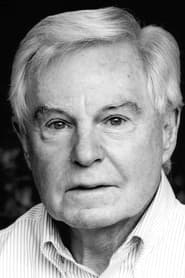
Chorus

Princess Katherine

Ancient Pistol
Bardolph
Nym

Fluellen
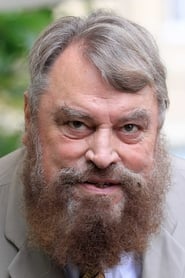
Duke of Exeter
Boy
Main Cast & Characters
King Henry V
Played by Kenneth Branagh
Young English king who transforms from wild youth to inspiring military leader during the Battle of Agincourt
Chorus
Played by Derek Jacobi
Narrative guide who frames the story and asks the audience to imagine the grandeur of events
Princess Katherine
Played by Emma Thompson
French princess who becomes Henry's romantic interest and political prize
Ancient Pistol
Played by Robert Stephens
Boastful, cowardly soldier and friend from Henry's wild youth
Bardolph
Played by Richard Briers
Thief and drunkard from Henry's past, executed for looting during the French campaign
Nym
Played by Geoffrey Hutchings
Petty criminal and soldier, former companion of Prince Hal
Fluellen
Played by Ian Holm
Proud Welsh captain devoted to military discipline and the honor of war
Duke of Exeter
Played by Brian Blessed
Henry's uncle and trusted military advisor
Boy
Played by Christian Bale
Young servant to Pistol, Bardolph, and Nym who provides innocent perspective on war
Structural Analysis
The Status Quo at 1 minutes (1% through the runtime) establishes The Chorus (Derek Jacobi) lights a match in darkness, introducing the story and asking the audience to imagine the grandeur of kings and armies. Henry is a young king, untested, still shadowed by his wild youth as Prince Hal.. Significantly, this early placement immediately immerses viewers in the story world.
The inciting incident occurs at 16 minutes when Henry receives the Dauphin's mocking gift of tennis balls, an insult to his youth and fitness to rule. Rather than cower, Henry delivers a powerful response, declaring he will turn this mockery into a bloody reckoning. The challenge ignites his resolve to invade France.. At 12% through the film, this Disruption aligns precisely with traditional story structure. This beat shifts the emotional landscape, launching the protagonist into the central conflict.
The First Threshold at 34 minutes marks the transition into Act II, occurring at 25% of the runtime. This illustrates the protagonist's commitment to Henry and his army set sail for France. The Chorus describes the fleet departing Southampton, "a city on th' inconstant billows dancing." Henry has committed England to war - there is no turning back. He crosses literally and figuratively into the new world of military campaign., moving from reaction to action.
At 69 minutes, the Midpoint arrives at 50% of the runtime—precisely centered, creating perfect narrative symmetry. Significantly, this crucial beat Henry learns the French army vastly outnumbers his sick, exhausted forces - five to one. Montjoy the herald arrives offering Henry the chance to ransom himself and avoid destruction. This is a false defeat: the situation seems hopeless, yet Henry refuses to yield, declaring "We would not seek a battle as we are, nor as we are, we say we will not shun it."., fundamentally raising what's at risk. The emotional intensity shifts, dividing the narrative into clear before-and-after phases.
The Collapse moment at 103 minutes (75% through) represents the emotional nadir. Here, Dawn at Agincourt. Henry sees his ragged, outnumbered army facing the magnificent French host. Westmoreland wishes for more men. This is the "whiff of death" - defeat and slaughter seem inevitable. Henry must face the possibility that his ambition has led thousands of men to their deaths., illustrates the protagonist at their lowest point. This beat's placement in the final quarter sets up the climactic reversal.
The Second Threshold at 110 minutes initiates the final act resolution at 80% of the runtime. Henry delivers the St. Crispin's Day speech: "We few, we happy few, we band of brothers." He transforms despair into defiant pride, making their small numbers a source of honor rather than shame. He synthesizes his lessons about kingship - a true leader shares his soldiers' danger and lifts their spirits through authentic connection., demonstrating the transformation achieved throughout the journey.
Emotional Journey
Henry V's emotional architecture traces a deliberate progression across 15 carefully calibrated beats.
Narrative Framework
This structural analysis employs systematic plot point analysis that identifies crucial turning points. By mapping Henry V against these established plot points, we can identify how Kenneth Branagh utilizes or subverts traditional narrative conventions. The plot point approach reveals not only adherence to structural principles but also creative choices that distinguish Henry V within the biography genre.
Kenneth Branagh's Structural Approach
Among the 11 Kenneth Branagh films analyzed on Arcplot, the average structural score is 7.0, reflecting strong command of classical structure. Henry V takes a more unconventional approach compared to the director's typical style. For comparative analysis, explore the complete Kenneth Branagh filmography.
Comparative Analysis
Additional biography films include After Thomas, Taking Woodstock and The Fire Inside. For more Kenneth Branagh analyses, see Much Ado About Nothing, Mary Shelley's Frankenstein and Thor.
Plot Points by Act
Act I
SetupStatus Quo
The Chorus (Derek Jacobi) lights a match in darkness, introducing the story and asking the audience to imagine the grandeur of kings and armies. Henry is a young king, untested, still shadowed by his wild youth as Prince Hal.
Theme
The Archbishop of Canterbury discusses Henry's miraculous transformation from dissolute prince to noble king: "The breath no sooner left his father's body, but that his wildness, mortified in him, seem'd to die too." The theme of transformation through responsibility is stated.
Worldbuilding
The political machinations of England are established. The Church supports Henry's claim to France to protect its own interests. Henry gathers his council, and the French ambassador arrives with the Dauphin's insulting gift of tennis balls, questioning Henry's legitimacy and maturity.
Disruption
Henry receives the Dauphin's mocking gift of tennis balls, an insult to his youth and fitness to rule. Rather than cower, Henry delivers a powerful response, declaring he will turn this mockery into a bloody reckoning. The challenge ignites his resolve to invade France.
Resistance
Preparations for war. The conspiracy of Cambridge, Scroop, and Grey is uncovered; Henry must execute his former friend Scroop, showing the painful isolation of kingship. Flashbacks reveal his relationship with Falstaff, and we learn of Falstaff's death - a piece of Henry's humanity dying with his old mentor.
Act II
ConfrontationFirst Threshold
Henry and his army set sail for France. The Chorus describes the fleet departing Southampton, "a city on th' inconstant billows dancing." Henry has committed England to war - there is no turning back. He crosses literally and figuratively into the new world of military campaign.
Mirror World
The common soldiers - Bardolph, Nym, Pistol, and the Boy - provide the thematic mirror. Their cowardice, venality, and eventual fates contrast with Henry's nobility, yet they carry the human cost of his ambitions. The relationship between king and commoner becomes the thematic spine.
Premise
The siege of Harfleur. Henry delivers his famous "Once more unto the breach" speech, inspiring his men. The town surrenders after Henry threatens brutal consequences. The English army, though victorious, is depleted by dysentery and exhaustion. Henry must decide whether to press on toward Calais despite impossible odds.
Midpoint
Henry learns the French army vastly outnumbers his sick, exhausted forces - five to one. Montjoy the herald arrives offering Henry the chance to ransom himself and avoid destruction. This is a false defeat: the situation seems hopeless, yet Henry refuses to yield, declaring "We would not seek a battle as we are, nor as we are, we say we will not shun it."
Opposition
The night before Agincourt. Henry walks disguised among his men, confronting their fears and his own doubts. Williams challenges him about the king's responsibility for soldiers' souls. Henry's soliloquy "Upon the King" reveals the crushing weight of leadership. The French nobles confidently anticipate slaughter.
Collapse
Dawn at Agincourt. Henry sees his ragged, outnumbered army facing the magnificent French host. Westmoreland wishes for more men. This is the "whiff of death" - defeat and slaughter seem inevitable. Henry must face the possibility that his ambition has led thousands of men to their deaths.
Crisis
The moments before battle. The English forces are exhausted, sick, hopelessly outnumbered. The weight of all Henry's choices - the lives he's taken, the friends he's lost, the war he's chosen - presses upon him. He must find something to say to men he may be leading to death.
Act III
ResolutionSecond Threshold
Henry delivers the St. Crispin's Day speech: "We few, we happy few, we band of brothers." He transforms despair into defiant pride, making their small numbers a source of honor rather than shame. He synthesizes his lessons about kingship - a true leader shares his soldiers' danger and lifts their spirits through authentic connection.
Synthesis
The Battle of Agincourt. Against all odds, the English achieve a miraculous victory. The famous tracking shot follows Henry through the mud and carnage carrying a dead boy, showing war's horror alongside triumph. Henry woos Princess Katherine in halting French, promising peace. The Treaty of Troyes unites England and France.
Transformation
The Chorus returns, now in modern dress, reminding us that Henry's son would lose France and make England bleed. Yet Henry himself stands transformed - no longer the uncertain youth but a true king who won his crown on the battlefield and won peace through wisdom. The cost was immense, but the transformation is complete.