
High Plains Drifter
A Stranger (Clint Eastwood) rides into in the dusty mining town of Lago, where the townspeople are living in the shadow of a dark secret. After a shoot-out leaves the town's hired-gun protectors dead, the town's leaders petition the Stranger to stay and protect them from three ruthless outlaws who are soon to be released from prison. The three have their sights set on returning to Lago to wreak havoc and take care of some unfinished business. A series of events soon has the townspeople questioning whether siding with the Stranger was a wise idea, as they quickly learn the price that they each must pay for his services. As the outlaws make their way back into Lago, they discover that the town is not exactly as they had left it, and waiting in the shadows is the Stranger, ready to expose the town's secret and serve up his own brand of justice.
Despite its tight budget of $5.5M, High Plains Drifter became a commercial success, earning $15.7M worldwide—a 185% return.


Plot Structure
Story beats plotted across runtime


Narrative Arc
Emotional journey through the story's key moments
Story Circle
Blueprint 15-beat structure
Arcplot Score Breakdown
Weighted: Precision (70%) + Arc (15%) + Theme (15%)
High Plains Drifter (1973) exhibits strategically placed plot construction, characteristic of Clint Eastwood's storytelling approach. This structural analysis examines how the film's 15-point plot structure maps to proven narrative frameworks across 1 hour and 45 minutes. With an Arcplot score of 6.8, the film balances conventional beats with creative variation.
Characters
Cast & narrative archetypes

The Stranger
Sarah Belding
Callie Travers

Dave Drake
Morgan Allen

Marshal Jim Duncan
Mordecai
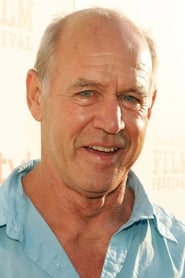
Stacey Bridges
Main Cast & Characters
The Stranger
Played by Clint Eastwood
A mysterious gunfighter who rides into the town of Lago and exacts brutal revenge while haunted by visions of a murdered marshal.
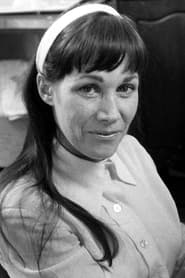
Sarah Belding
Played by Verna Bloom
The wife of the hotel owner who is sexually drawn to and disturbed by the Stranger's presence in town.
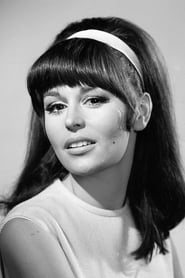
Callie Travers
Played by Marianna Hill
The owner of the general store who becomes involved with the Stranger and helps him prepare the town for the outlaws.
Dave Drake
Played by Mitchell Ryan
The cowardly town leader who hires the Stranger to protect Lago from three outlaws the town had sent to prison.
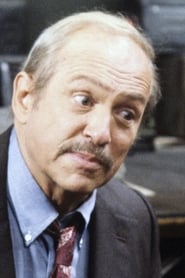
Morgan Allen
Played by Stefan Gierasch
The corrupt mining company owner who orchestrated Marshal Duncan's murder to cover up his illegal claim jumping.
Marshal Jim Duncan
Played by Buddy Van Horn
The murdered lawman who haunts the Stranger's visions, having been whipped to death by outlaws while the townspeople watched.
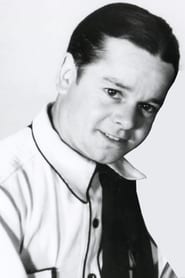
Mordecai
Played by Billy Curtis
A dwarf who befriends the Stranger and becomes the sheriff and mayor of Lago at the Stranger's insistence.
Stacey Bridges
Played by Geoffrey Lewis
The lead outlaw released from prison who returns to Lago seeking revenge on the town that betrayed him.
Structural Analysis
The Status Quo at 1 minutes (1% through the runtime) establishes A mysterious Stranger rides through a shimmering heat haze into the town of Lago, immediately met with suspicious stares and hostile atmosphere from the frightened townspeople.. Notably, this early placement immediately immerses viewers in the story world.
The inciting incident occurs at 13 minutes when The town council desperately approaches the Stranger after witnessing his lethal skills, begging him to protect them from three outlaws (Stacey Bridges and his men) who are being released from prison and coming to destroy the town.. At 13% through the film, this Disruption is delayed, allowing extended setup of the story world. This beat shifts the emotional landscape, launching the protagonist into the central conflict.
The First Threshold at 27 minutes marks the transition into Act II, occurring at 25% of the runtime. This demonstrates the protagonist's commitment to The Stranger accepts the job of defending Lago, but on his terms: he demands total authority over the town, "anything I want," which the council desperately grants. He crosses into the role of both defender and judge., moving from reaction to action.
At 53 minutes, the Midpoint arrives at 51% of the runtime—precisely centered, creating perfect narrative symmetry. Of particular interest, this crucial beat The Stranger completes the transformation of Lago into "Hell" and reveals through fever dreams the complete truth: he may be the ghost or avenging spirit of Marshal Jim Duncan, the man the town allowed to be murdered. The stakes shift from survival to judgment., fundamentally raising what's at risk. The emotional intensity shifts, dividing the narrative into clear before-and-after phases.
The Collapse moment at 80 minutes (76% through) represents the emotional nadir. Here, The outlaws completely control Lago, systematically burning and destroying it while terrorizing the hiding townspeople. The town's moral collapse is complete—they are experiencing the hell they created, with the Stranger seemingly having abandoned them to their fate., shows the protagonist at their lowest point. This beat's placement in the final quarter sets up the climactic reversal.
The Second Threshold at 84 minutes initiates the final act resolution at 80% of the runtime. The Stranger emerges from the hotel, finally taking direct action. He is revealed in full supernatural glory—seemingly impervious, methodical, ghost-like—ready to execute his true purpose: not to save the town, but to deliver justice for the murdered marshal., demonstrating the transformation achieved throughout the journey.
Emotional Journey
High Plains Drifter's emotional architecture traces a deliberate progression across 15 carefully calibrated beats.
Narrative Framework
This structural analysis employs proven narrative structure principles that track dramatic progression. By mapping High Plains Drifter against these established plot points, we can identify how Clint Eastwood utilizes or subverts traditional narrative conventions. The plot point approach reveals not only adherence to structural principles but also creative choices that distinguish High Plains Drifter within the drama genre.
Clint Eastwood's Structural Approach
Among the 32 Clint Eastwood films analyzed on Arcplot, the average structural score is 6.5, demonstrating varied approaches to story architecture. High Plains Drifter represents one of the director's most structurally precise works. For comparative analysis, explore the complete Clint Eastwood filmography.
Comparative Analysis
Additional drama films include After Thomas, South Pacific and Dirty Dancing: Havana Nights. For more Clint Eastwood analyses, see True Crime, Million Dollar Baby and The Gauntlet.
Plot Points by Act
Act I
SetupStatus Quo
A mysterious Stranger rides through a shimmering heat haze into the town of Lago, immediately met with suspicious stares and hostile atmosphere from the frightened townspeople.
Theme
Mordecai the dwarf says to the Stranger, "I don't know you," and later asks, "What did you say your name was?" establishing the theme of identity, anonymity, and whether names define who we truly are.
Worldbuilding
The town of Lago is revealed as a corrupt, cowardly community living in fear. Three hired gunmen test the Stranger in a barbershop confrontation, which he ends by killing all three. The townspeople reveal they're terrified of outlaws returning from prison to seek revenge.
Disruption
The town council desperately approaches the Stranger after witnessing his lethal skills, begging him to protect them from three outlaws (Stacey Bridges and his men) who are being released from prison and coming to destroy the town.
Resistance
The Stranger resists commitment, toying with the town while learning about their dark secret through nightmarish flashbacks: the town watched as their marshal was whipped to death by the same three outlaws, doing nothing to help. The Stranger makes increasingly bizarre demands to test the town's desperation.
Act II
ConfrontationFirst Threshold
The Stranger accepts the job of defending Lago, but on his terms: he demands total authority over the town, "anything I want," which the council desperately grants. He crosses into the role of both defender and judge.
Mirror World
Sarah Belding becomes the Stranger's primary relationship, the one person who begins to understand his true purpose. Mordecai also serves as a mirror, the only innocent soul in town who befriends the Stranger and recognizes something otherworldly about him.
Premise
The Stranger orchestrates the town's preparation in surreal, punishing ways: appointing Mordecai as sheriff and mayor, forcing townspeople to paint every building blood red, renaming the town "Hell," and creating a nightmare defense plan that seems designed to torment rather than protect them.
Midpoint
The Stranger completes the transformation of Lago into "Hell" and reveals through fever dreams the complete truth: he may be the ghost or avenging spirit of Marshal Jim Duncan, the man the town allowed to be murdered. The stakes shift from survival to judgment.
Opposition
The outlaws arrive as promised. The town's prepared defenses fail miserably, and the cowardly citizens flee or hide. Bridges and his men brutally take over, destroying the town, revealing that the townspeople are complicit in their own destruction through their moral cowardice.
Collapse
The outlaws completely control Lago, systematically burning and destroying it while terrorizing the hiding townspeople. The town's moral collapse is complete—they are experiencing the hell they created, with the Stranger seemingly having abandoned them to their fate.
Crisis
The town burns in darkness as the outlaws celebrate their destruction. The Stranger remains in his hotel room, waiting, while the guilty townspeople face the consequences of their past betrayal as Lago becomes the literal Hell he named it.
Act III
ResolutionSecond Threshold
The Stranger emerges from the hotel, finally taking direct action. He is revealed in full supernatural glory—seemingly impervious, methodical, ghost-like—ready to execute his true purpose: not to save the town, but to deliver justice for the murdered marshal.
Synthesis
The Stranger systematically kills all three outlaws in the burning town using both gunfighter skill and supernatural positioning. He executes perfect justice, then prepares to leave Lago forever, his mission complete. The guilty townspeople are left alive to remember their sins.
Transformation
As the Stranger rides out of the burning Hell that was Lago, Mordecai is carving a name on a grave marker. He asks, "I never did know your name." The Stranger replies, "Yes, you do," confirming he was the spirit of Marshal Jim Duncan. Mordecai nods knowingly as the ghost disappears into the heat haze.