
Hombre
John 'Hombre' Russell is a white man raised by the Apaches on an Indian reservation and later by a white man in town. As an adult he prefers to live on the reservation. He is informed that he has inherited a lodging-house in the town. He goes to the town and decides to trade the place for a herd. He has to go to another city. The only stagecoach is one being hired for a special trip paid by Faver and his wife Audra. As there are several seats others join the stagecoach making seven very different passengers in all. During the journey they are robbed. With the leadership of John Russell they escape with little water and the money that the bandits want. They are pursued by the bandits. As they try to evade the bandits they reveal their true nature in a life threatening situation.
Despite its modest budget of $5.9M, Hombre became a financial success, earning $12.0M worldwide—a 105% return.


Plot Structure
Story beats plotted across runtime


Narrative Arc
Emotional journey through the story's key moments
Story Circle
Blueprint 15-beat structure
Arcplot Score Breakdown
Weighted: Precision (70%) + Arc (15%) + Theme (15%)
Hombre (1967) showcases deliberately positioned narrative design, characteristic of Martin Ritt's storytelling approach. This structural analysis examines how the film's 15-point plot structure maps to proven narrative frameworks across 1 hour and 51 minutes. With an Arcplot score of 6.5, the film balances conventional beats with creative variation.
Characters
Cast & narrative archetypes
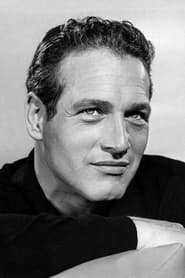
John Russell

Jessie Brown
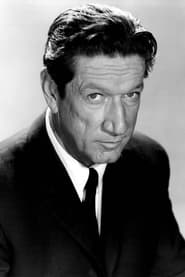
Cicero Grimes
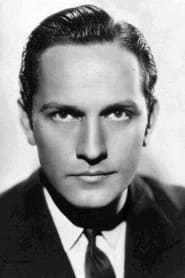
Alexander Favor

Audra Favor

Henry Mendez

Doris Blake
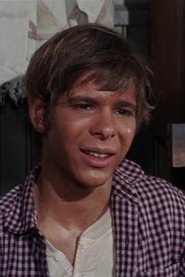
Billy Lee Blake
Main Cast & Characters
John Russell
Played by Paul Newman
A white man raised by Apaches who faces prejudice from stagecoach passengers he must protect from outlaws.
Jessie Brown
Played by Diane Cilento
A boarding house owner who becomes attracted to Russell and challenges the prejudices of other passengers.
Cicero Grimes
Played by Richard Boone
A cunning outlaw leader who orchestrates the stagecoach robbery and terrorizes the passengers.
Alexander Favor
Played by Fredric March
A corrupt Indian agent who stole money from the Apache reservation and attempts to maintain his dignity.
Audra Favor
Played by Barbara Rush
Alexander's refined wife who initially looks down on Russell but comes to depend on his strength.
Henry Mendez
Played by Martin Balsam
A Mexican passenger who serves as intermediary and shows more respect for Russell than other passengers.
Doris Blake
Played by Margaret Blye
A sharp-tongued passenger with unclear background who travels with the group.
Billy Lee Blake
Played by Peter Lazer
Doris's young husband who is cowardly and ineffective in crisis situations.
Structural Analysis
The Status Quo at 1 minutes (1% through the runtime) establishes John Russell lives among the Apache on the San Carlos reservation, fully integrated into their culture and way of life, appearing more Indian than white despite his heritage.. Significantly, this early placement immediately immerses viewers in the story world.
The inciting incident occurs at 13 minutes when Russell learns he has inherited a boarding house from his deceased white father, forcing him to leave the Apache world and deal with white society, selling the property to fund his departure.. At 12% through the film, this Disruption aligns precisely with traditional story structure. This beat shifts the emotional landscape, launching the protagonist into the central conflict.
The First Threshold at 28 minutes marks the transition into Act II, occurring at 25% of the runtime. This illustrates the protagonist's commitment to Russell boards the stagecoach despite the hostility, choosing to travel with this group of prejudiced passengers rather than find another way, committing himself to the journey that will test his values., moving from reaction to action.
At 56 minutes, the Midpoint arrives at 50% of the runtime—precisely centered, creating perfect narrative symmetry. Notably, this crucial beat Cicero Grimes and his gang ambush the stagecoach, taking the passengers hostage. It's revealed that Favor has been embezzling money from the Apache reservation, and the outlaws want it. The journey becomes a survival situation., fundamentally raising what's at risk. The emotional intensity shifts, dividing the narrative into clear before-and-after phases.
The Collapse moment at 83 minutes (75% through) represents the emotional nadir. Here, The Mexican soldier Billy Lee is killed trying to get water, and the group faces certain death from thirst and the outlaws. Russell's philosophy of non-involvement is challenged as innocent people die around him., demonstrates the protagonist at their lowest point. This beat's placement in the final quarter sets up the climactic reversal.
The Second Threshold at 89 minutes initiates the final act resolution at 80% of the runtime. Russell makes his choice, deciding to trade himself and the money for Mrs. Favor's life. He synthesizes his Apache warrior skills with a newfound acceptance of moral obligation to others, becoming fully human in both worlds., demonstrating the transformation achieved throughout the journey.
Emotional Journey
Hombre's emotional architecture traces a deliberate progression across 15 carefully calibrated beats.
Narrative Framework
This structural analysis employs a 15-point narrative structure framework that maps key story moments. By mapping Hombre against these established plot points, we can identify how Martin Ritt utilizes or subverts traditional narrative conventions. The plot point approach reveals not only adherence to structural principles but also creative choices that distinguish Hombre within the drama genre.
Martin Ritt's Structural Approach
Among the 4 Martin Ritt films analyzed on Arcplot, the average structural score is 6.8, demonstrating varied approaches to story architecture. Hombre takes a more unconventional approach compared to the director's typical style. For comparative analysis, explore the complete Martin Ritt filmography.
Comparative Analysis
Additional drama films include After Thomas, South Pacific and Dirty Dancing: Havana Nights. For more Martin Ritt analyses, see Stanley & Iris, Hud and Norma Rae.
Plot Points by Act
Act I
SetupStatus Quo
John Russell lives among the Apache on the San Carlos reservation, fully integrated into their culture and way of life, appearing more Indian than white despite his heritage.
Theme
Henry Mendez questions whether a man can truly stand apart from society and its troubles, foreshadowing the central moral question Russell will face about obligation to others who despise him.
Worldbuilding
The harsh Arizona Territory of the 1880s is established, showing the racism against Apache and those associated with them, Russell's inheritance of a boarding house, and the various passengers who will share the fateful stagecoach journey.
Disruption
Russell learns he has inherited a boarding house from his deceased white father, forcing him to leave the Apache world and deal with white society, selling the property to fund his departure.
Resistance
Russell navigates the hostile white world, enduring racism from the stagecoach passengers including the Favors. He debates whether to simply take his money and disappear or engage with these people who clearly despise him.
Act II
ConfrontationFirst Threshold
Russell boards the stagecoach despite the hostility, choosing to travel with this group of prejudiced passengers rather than find another way, committing himself to the journey that will test his values.
Mirror World
Jessie Brown emerges as the moral counterpoint to Russell's detachment. Unlike the other passengers, she treats him with basic human dignity, representing the possibility of connection across racial divides.
Premise
The stagecoach journey unfolds with mounting tension as Russell's Apache-learned survival skills contrast with the passengers' prejudice. The dynamics between characters reveal their true natures as they travel through dangerous territory.
Midpoint
Cicero Grimes and his gang ambush the stagecoach, taking the passengers hostage. It's revealed that Favor has been embezzling money from the Apache reservation, and the outlaws want it. The journey becomes a survival situation.
Opposition
Russell uses his Apache skills to lead the surviving passengers into the rocky hills, but Grimes holds Mrs. Favor hostage. The group debates whether to sacrifice one woman to save themselves, with Russell advocating cold pragmatism while others appeal to morality.
Collapse
The Mexican soldier Billy Lee is killed trying to get water, and the group faces certain death from thirst and the outlaws. Russell's philosophy of non-involvement is challenged as innocent people die around him.
Crisis
Russell grapples with Jessie's moral challenge: can he truly stand by and let Mrs. Favor die, regardless of how her husband stole from his people? His Apache stoicism wars with something deeper within him.
Act III
ResolutionSecond Threshold
Russell makes his choice, deciding to trade himself and the money for Mrs. Favor's life. He synthesizes his Apache warrior skills with a newfound acceptance of moral obligation to others, becoming fully human in both worlds.
Synthesis
Russell confronts Grimes and his gang alone, using his Apache training in a final showdown. He eliminates the outlaws one by one but is mortally wounded in the process, sacrificing himself to save those who despised him.
Transformation
Russell dies having answered the film's central question: a man cannot stand apart. His sacrifice transforms him from an outsider rejected by both worlds into a true "hombre" - a complete man who chose humanity over survival.