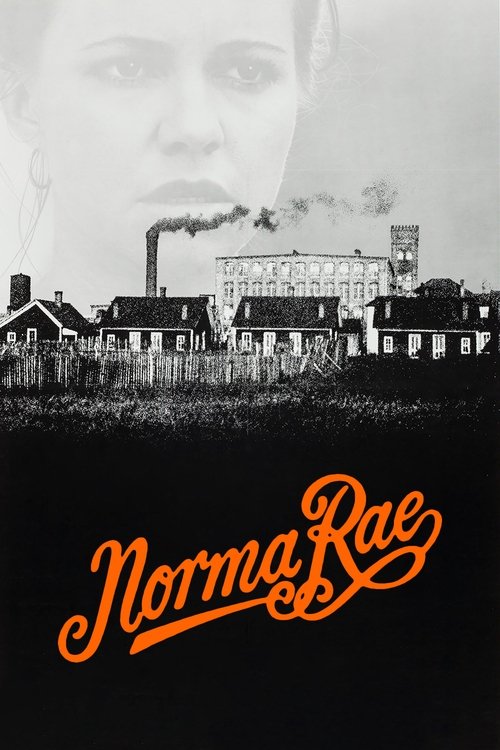
Norma Rae
Norma Rae is a southern textile worker employed in a factory with intolerable working conditions. This concern about the situation gives her the gumption to be the key associate to a visiting labor union organizer. Together, they undertake the difficult, and possibly dangerous, struggle to unionize her factory.
Despite its modest budget of $4.5M, Norma Rae became a commercial success, earning $22.2M worldwide—a 394% return. The film's unconventional structure engaged audiences, showing that strong storytelling can transcend budget limitations.
2 Oscars. 12 wins & 6 nominations

Plot Structure
Story beats plotted across runtime


Narrative Arc
Emotional journey through the story's key moments
Story Circle
Blueprint 15-beat structure
Arcplot Score Breakdown
Weighted: Precision (70%) + Arc (15%) + Theme (15%)
Norma Rae (1979) showcases carefully calibrated narrative architecture, characteristic of Martin Ritt's storytelling approach. This structural analysis examines how the film's 15-point plot structure maps to proven narrative frameworks across 1 hour and 50 minutes. With an Arcplot score of 6.3, the film takes an unconventional approach to traditional narrative frameworks.
Characters
Cast & narrative archetypes

Norma Rae Webster
Reuben Warshovsky
Sonny Webster
Vernon Witlow
Leona Witlow
Main Cast & Characters
Norma Rae Webster
Played by Sally Field
A textile worker and single mother who becomes a union activist, fighting for workers' rights in a Southern mill town.
Reuben Warshovsky
Played by Ron Leibman
A New York union organizer who comes to the mill town to rally workers and becomes Norma Rae's mentor and ally.
Sonny Webster
Played by Beau Bridges
Norma Rae's supportive husband who struggles with her growing activism and the risks it brings to their family.
Vernon Witlow
Played by Pat Hingle
Norma Rae's father, a longtime mill worker suffering from health problems caused by factory conditions.
Leona Witlow
Played by Barbara Baxley
Norma Rae's mother, a mill worker who supports her daughter but fears the consequences of union organizing.
Structural Analysis
The Status Quo at 1 minutes (1% through the runtime) establishes Norma Rae works at the deafening textile mill, unable to hear, living a life of exhaustion and resignation in the oppressive factory environment.. Structural examination shows that this early placement immediately immerses viewers in the story world.
The inciting incident occurs at 13 minutes when Reuben Warshovsky, a union organizer from New York, arrives in town and posts a notice about a union meeting, bringing the possibility of change to the mill.. At 12% through the film, this Disruption aligns precisely with traditional story structure. This beat shifts the emotional landscape, launching the protagonist into the central conflict.
The First Threshold at 28 minutes marks the transition into Act II, occurring at 25% of the runtime. This shows the protagonist's commitment to Norma Rae makes the active choice to help Reuben with the union campaign, beginning to distribute information and engage with the organizing effort despite risks., moving from reaction to action.
At 55 minutes, the Midpoint arrives at 50% of the runtime—precisely centered, creating perfect narrative symmetry. Significantly, this crucial beat False victory: The union campaign gains real momentum, workers are signing cards, and Norma Rae feels powerful and effective, but management begins serious retaliation efforts., fundamentally raising what's at risk. The emotional intensity shifts, dividing the narrative into clear before-and-after phases.
The Collapse moment at 83 minutes (75% through) represents the emotional nadir. Here, Norma Rae is fired and forcibly removed from the mill by police after management catches her copying an anti-union letter, threatening everything she's worked for and her livelihood., shows the protagonist at their lowest point. This beat's placement in the final quarter sets up the climactic reversal.
The Second Threshold at 88 minutes initiates the final act resolution at 80% of the runtime. One by one, the workers shut down their machines in support of Norma Rae, a breakthrough moment proving the union's power and giving her clarity that the fight was worth it., demonstrating the transformation achieved throughout the journey.
Emotional Journey
Norma Rae's emotional architecture traces a deliberate progression across 15 carefully calibrated beats.
Narrative Framework
This structural analysis employs systematic plot point analysis that identifies crucial turning points. By mapping Norma Rae against these established plot points, we can identify how Martin Ritt utilizes or subverts traditional narrative conventions. The plot point approach reveals not only adherence to structural principles but also creative choices that distinguish Norma Rae within the drama genre.
Martin Ritt's Structural Approach
Among the 4 Martin Ritt films analyzed on Arcplot, the average structural score is 6.8, demonstrating varied approaches to story architecture. Norma Rae takes a more unconventional approach compared to the director's typical style. For comparative analysis, explore the complete Martin Ritt filmography.
Comparative Analysis
Additional drama films include After Thomas, South Pacific and Dirty Dancing: Havana Nights. For more Martin Ritt analyses, see Stanley & Iris, Hombre and Hud.
Plot Points by Act
Act I
SetupStatus Quo
Norma Rae works at the deafening textile mill, unable to hear, living a life of exhaustion and resignation in the oppressive factory environment.
Theme
A worker mentions that people need to stand up for themselves and stick together, hinting at the power of collective action that Norma Rae will eventually embrace.
Worldbuilding
Norma Rae's difficult life is established: single mother, poor working conditions, her mother's temporary deafness from the mill, casual relationships, and the company's exploitation of workers.
Disruption
Reuben Warshovsky, a union organizer from New York, arrives in town and posts a notice about a union meeting, bringing the possibility of change to the mill.
Resistance
Norma Rae is skeptical of Reuben and the union. She marries Sonny, tries to maintain her normal life, but becomes increasingly curious about Reuben's mission as he persistently educates her.
Act II
ConfrontationFirst Threshold
Norma Rae makes the active choice to help Reuben with the union campaign, beginning to distribute information and engage with the organizing effort despite risks.
Mirror World
Norma Rae and Reuben's partnership deepens as he teaches her about labor rights, dignity, and self-worth—their relationship becomes the vehicle for her transformation and the film's thematic core.
Premise
Norma Rae learns organizing tactics, challenges management, recruits workers, and discovers her voice. The fun of rebellion and empowerment as she becomes increasingly effective and confident.
Midpoint
False victory: The union campaign gains real momentum, workers are signing cards, and Norma Rae feels powerful and effective, but management begins serious retaliation efforts.
Opposition
Management fights back with intimidation, threats, and divide-and-conquer tactics. Norma Rae faces pressure from all sides: her family, coworkers, and the company. Her marriage strains under the commitment required.
Collapse
Norma Rae is fired and forcibly removed from the mill by police after management catches her copying an anti-union letter, threatening everything she's worked for and her livelihood.
Crisis
In her darkest moment before being dragged out, Norma Rae makes a stand, writing "UNION" on cardboard and standing on a table, silently demanding the machines be shut down in solidarity.
Act III
ResolutionSecond Threshold
One by one, the workers shut down their machines in support of Norma Rae, a breakthrough moment proving the union's power and giving her clarity that the fight was worth it.
Synthesis
The union election takes place. Norma Rae and Reuben await results, workers cast their votes, and the culmination of months of organizing comes to fruition with the union vote succeeding.
Transformation
Norma Rae, now transformed into a confident leader and empowered individual, says goodbye to Reuben as he leaves town, fully owning her voice and her place in the community.