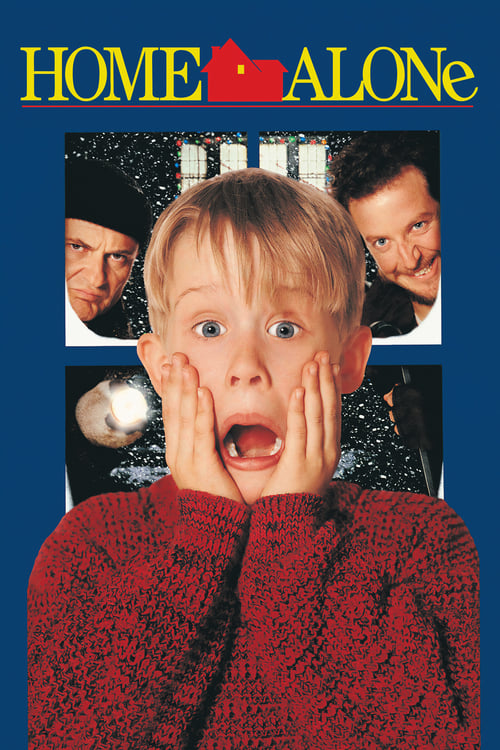
Home Alone
An eight-year-old troublemaker, mistakenly left home alone, must defend his home against a pair of burglars on Christmas Eve.
Despite a moderate budget of $18.0M, Home Alone became a massive hit, earning $476.7M worldwide—a remarkable 2548% return.
Nominated for 2 Oscars. 13 wins & 8 nominations


Plot Structure
Story beats plotted across runtime


Narrative Arc
Emotional journey through the story's key moments
Story Circle
Blueprint 15-beat structure
Characters
Cast & narrative archetypes

Kevin McCallister
Harry Lime
Marv Merchants
Kate McCallister
Old Man Marley
Buzz McCallister
Main Cast & Characters
Kevin McCallister
Played by Macaulay Culkin
An 8-year-old boy accidentally left home alone who must defend his house from burglars using elaborate traps and ingenuity.
Harry Lime
Played by Joe Pesci
The leader of the Wet Bandits duo, a burglar who underestimates Kevin and suffers repeated humiliations.
Marv Merchants
Played by Daniel Stern
Harry's dimwitted partner in crime, prone to painful accidents and comedic failures.
Kate McCallister
Played by Catherine O'Hara
Kevin's mother who realizes her son was left behind and desperately tries to get home to him.
Old Man Marley
Played by Roberts Blossom
Kevin's mysterious neighbor rumored to be dangerous, who ultimately reveals a kind heart and saves Kevin.
Buzz McCallister
Played by Devin Ratray
Kevin's cruel older brother who torments him and triggers the family conflict before the trip.
Structural Analysis
The Status Quo at 1 minutes (1% through the runtime) establishes Chaos in the McCallister house as the large family frantically prepares for their Paris trip. Kevin is the overlooked, youngest child dismissed as a pest and troublemaker.. Significantly, this early placement immediately immerses viewers in the story world.
The inciting incident occurs at 12 minutes when Kevin wakes up to discover his entire family has left for Paris without him. His wish has come true, but he's completely alone.. At 12% through the film, this Disruption aligns precisely with traditional story structure. This beat shifts the emotional landscape, launching the protagonist into the central conflict.
The First Threshold at 26 minutes marks the transition into Act II, occurring at 25% of the runtime. This indicates the protagonist's commitment to Kevin decides "This is my house, I have to defend it." He actively chooses to stop being a victim and take responsibility for protecting his home from the burglars he's spotted., moving from reaction to action.
At 52 minutes, the Midpoint arrives at 51% of the runtime—precisely centered, creating perfect narrative symmetry. Of particular interest, this crucial beat The Wet Bandits realize Kevin is home alone and definitively target his house for robbery. Harry declares "We're gonna get that kid." The stakes shift from game to genuine danger., fundamentally raising what's at risk. The emotional intensity shifts, dividing the narrative into clear before-and-after phases.
The Collapse moment at 78 minutes (76% through) represents the emotional nadir. Here, Kevin breaks down crying in his parents' bedroom, praying for his mother to return. He admits "I don't care if I have to sleep on the floor, I just want to be with my family." All defenses crumble., illustrates the protagonist at their lowest point. This beat's placement in the final quarter sets up the climactic reversal.
The Second Threshold at 83 minutes initiates the final act resolution at 81% of the runtime. The burglars break into the house. Kevin synthesizes his newfound courage with his original cleverness: "This is it. Don't get scared now." He chooses to face them, not for glory, but to protect his home., demonstrating the transformation achieved throughout the journey.
Emotional Journey
Home Alone's emotional architecture traces a deliberate progression across 15 carefully calibrated beats.
Narrative Framework
This structural analysis employs systematic plot point analysis that identifies crucial turning points. By mapping Home Alone against these established plot points, we can identify how Chris Columbus utilizes or subverts traditional narrative conventions. The plot point approach reveals not only adherence to structural principles but also creative choices that distinguish Home Alone within the comedy genre.
Chris Columbus's Structural Approach
Among the 15 Chris Columbus films analyzed on Arcplot, the average structural score is 6.3, demonstrating varied approaches to story architecture. Home Alone exemplifies the director's characteristic narrative technique. For comparative analysis, explore the complete Chris Columbus filmography.
Comparative Analysis
Additional comedy films include The Bad Guys, Ella Enchanted and The Evening Star. For more Chris Columbus analyses, see Harry Potter and the Philosopher's Stone, Nine Months and Harry Potter and the Prisoner of Azkaban.
Plot Points by Act
Act I
SetupStatus Quo
Chaos in the McCallister house as the large family frantically prepares for their Paris trip. Kevin is the overlooked, youngest child dismissed as a pest and troublemaker.
Theme
Kevin's mom Kate tells him "You're the only one acting up" and later his uncle Frank dismisses him, establishing the theme: what does it mean to be valued and belong in a family?
Worldbuilding
Setup of the massive McCallister family chaos, Kevin's isolation and wish to make his family disappear, the Wet Bandits casing the neighborhood, and the storm that knocks out power before their early flight.
Disruption
Kevin wakes up to discover his entire family has left for Paris without him. His wish has come true, but he's completely alone.
Resistance
Kevin debates what to do with his freedom. Initial joy and independence (shopping, jumping on beds, eating junk food) mixed with fear. His parents desperately try to get back to him from Paris.
Act II
ConfrontationFirst Threshold
Kevin decides "This is my house, I have to defend it." He actively chooses to stop being a victim and take responsibility for protecting his home from the burglars he's spotted.
Mirror World
Kevin has his first meaningful interaction with Old Man Marley in the church. This neighbor, whom Kevin feared, becomes the thematic mirror showing that loneliness and family estrangement affect everyone.
Premise
The "fun and games" of Kevin defending his home: grocery shopping with fake gangster movie dialogue, setting elaborate booby traps, creating illusions of a full house, and outsmarting the adult burglars with ingenuity.
Midpoint
The Wet Bandits realize Kevin is home alone and definitively target his house for robbery. Harry declares "We're gonna get that kid." The stakes shift from game to genuine danger.
Opposition
Pressure intensifies as the burglars close in. Kevin perfects his traps but also experiences growing loneliness. His mother's desperate journey home hits obstacles. The fun is over; real fear and isolation set in.
Collapse
Kevin breaks down crying in his parents' bedroom, praying for his mother to return. He admits "I don't care if I have to sleep on the floor, I just want to be with my family." All defenses crumble.
Crisis
Kevin's dark night of the soul. He sits alone with his vulnerability exposed, having learned what he truly needs. The burglars prepare their final assault.
Act III
ResolutionSecond Threshold
The burglars break into the house. Kevin synthesizes his newfound courage with his original cleverness: "This is it. Don't get scared now." He chooses to face them, not for glory, but to protect his home.
Synthesis
The finale: Kevin executes his elaborate trap sequence, defeats the burglars through courage and ingenuity, is saved by Old Man Marley, reunites with his mother, and the family returns. All relationships heal.
Transformation
Kevin and his mother embrace in a quiet house on Christmas morning. Unlike the chaotic opening, this is peaceful intimacy. Kevin has transformed from overlooked pest to valued family member who knows what matters.