
Honey, I Shrunk the Kids
The scientist father of a teenage girl and boy accidentally shrinks his and two other neighborhood teens to the size of insects. Now the teens must fight diminutive dangers as the father searches for them.
Despite a respectable budget of $18.0M, Honey, I Shrunk the Kids became a box office phenomenon, earning $222.7M worldwide—a remarkable 1137% return.
1 BAFTA Award2 wins & 10 nominations


Plot Structure
Story beats plotted across runtime


Narrative Arc
Emotional journey through the story's key moments
Story Circle
Blueprint 15-beat structure
Arcplot Score Breakdown
Weighted: Precision (70%) + Arc (15%) + Theme (15%)
Honey, I Shrunk the Kids (1989) exhibits strategically placed dramatic framework, characteristic of Joe Johnston's storytelling approach. This structural analysis examines how the film's 15-point plot structure maps to proven narrative frameworks across 1 hour and 33 minutes. With an Arcplot score of 7.1, the film balances conventional beats with creative variation.
Characters
Cast & narrative archetypes

Wayne Szalinski

Amy Szalinski

Nick Szalinski

Russ Thompson Jr.
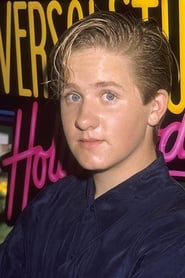
Ron Thompson

Diane Szalinski

Russell Thompson Sr.
Main Cast & Characters
Wayne Szalinski
Played by Rick Moranis
An eccentric inventor whose shrinking machine accidentally miniaturizes his children, forcing him on a desperate rescue mission.
Amy Szalinski
Played by Amy O'Neill
Wayne's teenage daughter who must survive the backyard wilderness and becomes a natural leader among the shrunken kids.
Nick Szalinski
Played by Robert Oliveri
Wayne's younger son, a resourceful and brave kid who helps navigate the dangerous backyard journey.
Russ Thompson Jr.
Played by Thomas Wilson Brown
The teenage neighbor boy who starts as a jock but reveals depth and heroism during the ordeal.
Ron Thompson
Played by Jared Rushton
Little Russ Thompson, the youngest of the shrunken children who provides comic relief and heart.
Diane Szalinski
Played by Marcia Strassman
Wayne's practical and patient wife who struggles with her husband's obsessions but ultimately supports the rescue.
Russell Thompson Sr.
Played by Matt Frewer
The Thompson family patriarch and Wayne's skeptical neighbor who eventually aids in the search.
Structural Analysis
The Status Quo at 1 minutes (1% through the runtime) establishes The Szalinski household is introduced as chaotic and disconnected - Wayne obsesses over his malfunctioning shrink ray in the attic while his family goes about their separate lives, establishing a home where invention takes priority over connection.. Notably, this early placement immediately immerses viewers in the story world.
The inciting incident occurs at 11 minutes when Ron Thompson's baseball crashes through the attic window, accidentally activating Wayne's shrink ray which fires and shrinks all four kids to quarter-inch size. The machine explodes, and the kids are now microscopic and trapped in the debris.. At 12% through the film, this Disruption aligns precisely with traditional story structure. This beat shifts the emotional landscape, launching the protagonist into the central conflict.
The First Threshold at 23 minutes marks the transition into Act II, occurring at 25% of the runtime. This reveals the protagonist's commitment to The four kids make the active decision to traverse the backyard jungle to reach the house, beginning their perilous journey. They commit to working together despite the Thompson-Szalinski family rivalry, choosing survival over old grudges., moving from reaction to action.
At 47 minutes, the Midpoint arrives at 50% of the runtime—precisely centered, creating perfect narrative symmetry. Notably, this crucial beat Wayne successfully repairs the shrink ray and proves it works by enlarging an object - a false victory. He believes he can save the kids if only he can find them. The kids meanwhile make significant progress through the yard, giving both storylines a sense of hope., fundamentally raising what's at risk. The emotional intensity shifts, dividing the narrative into clear before-and-after phases.
The Collapse moment at 70 minutes (75% through) represents the emotional nadir. Here, Antie, the ant who has become the kids' loyal friend and protector, is killed by the scorpion while defending them. The children grieve their companion - a genuine death that represents lost innocence and the real stakes of their journey. They seem hopelessly far from home., indicates the protagonist at their lowest point. This beat's placement in the final quarter sets up the climactic reversal.
The Second Threshold at 74 minutes initiates the final act resolution at 80% of the runtime. The kids spot the house and realize they can signal their parents by climbing into the bowl of Cheerios Wayne eats every morning. They synthesize their survival skills and family teamwork to execute this final desperate plan. Meanwhile, Wayne and Big Russ have united as neighbors and fathers., demonstrating the transformation achieved throughout the journey.
Emotional Journey
Honey, I Shrunk the Kids's emotional architecture traces a deliberate progression across 15 carefully calibrated beats.
Narrative Framework
This structural analysis employs structural analysis methodology used to understand storytelling architecture. By mapping Honey, I Shrunk the Kids against these established plot points, we can identify how Joe Johnston utilizes or subverts traditional narrative conventions. The plot point approach reveals not only adherence to structural principles but also creative choices that distinguish Honey, I Shrunk the Kids within the adventure genre.
Joe Johnston's Structural Approach
Among the 9 Joe Johnston films analyzed on Arcplot, the average structural score is 6.9, demonstrating varied approaches to story architecture. Honey, I Shrunk the Kids represents one of the director's most structurally precise works. For comparative analysis, explore the complete Joe Johnston filmography.
Comparative Analysis
Additional adventure films include The Black Stallion, The Bad Guys and Puss in Boots. For more Joe Johnston analyses, see Captain America: The First Avenger, Jumanji and The Pagemaster.
Plot Points by Act
Act I
SetupStatus Quo
The Szalinski household is introduced as chaotic and disconnected - Wayne obsesses over his malfunctioning shrink ray in the attic while his family goes about their separate lives, establishing a home where invention takes priority over connection.
Theme
Diane Szalinski tells Wayne that he needs to spend more time with the kids instead of being locked away with his inventions, stating the film's central theme that family connection matters more than professional achievement.
Worldbuilding
The two neighboring families are established - the eccentric inventor Szalinskis and the conventional Thompson family next door. Wayne's shrink ray is shown to be malfunctioning, the kids' personalities are revealed (Amy's maturity, Nick's science interests, Ron's jock status, Russ's insecurity), and the tension between the families is established.
Disruption
Ron Thompson's baseball crashes through the attic window, accidentally activating Wayne's shrink ray which fires and shrinks all four kids to quarter-inch size. The machine explodes, and the kids are now microscopic and trapped in the debris.
Resistance
Wayne returns home and unknowingly sweeps up the shrunken kids with the debris, dumping them in the trash which gets placed at the far end of the backyard. The kids realize their terrifying situation - the backyard has become an infinite wilderness. Meanwhile, Wayne discovers what happened when he finds the broken machine and realizes his children might be shrunk.
Act II
ConfrontationFirst Threshold
The four kids make the active decision to traverse the backyard jungle to reach the house, beginning their perilous journey. They commit to working together despite the Thompson-Szalinski family rivalry, choosing survival over old grudges.
Mirror World
A romantic subplot develops between Amy Szalinski and Russ Thompson Jr. as they're forced to work together. Their unlikely connection embodies the theme - enemies becoming family through shared adversity. Similarly, Nick and Ron begin bonding despite their differences.
Premise
The promise of the premise delivers spectacular adventure sequences: the kids navigate giant grass blades, encounter enormous insects, befriend an ant they name Antie, ride a bee, surf on water droplets, and discover that ordinary backyard elements are now deadly obstacles. The fun of miniature survival plays out while Wayne frantically searches for them.
Midpoint
Wayne successfully repairs the shrink ray and proves it works by enlarging an object - a false victory. He believes he can save the kids if only he can find them. The kids meanwhile make significant progress through the yard, giving both storylines a sense of hope.
Opposition
The journey becomes increasingly dangerous. A scorpion attacks the group. The lawnmower nearly kills them in a terrifying sequence. Nick gets separated and nearly drowns in a muddy puddle. The parents' search becomes more desperate, and Big Russ Thompson finally believes Wayne's crazy story and joins the hunt.
Collapse
Antie, the ant who has become the kids' loyal friend and protector, is killed by the scorpion while defending them. The children grieve their companion - a genuine death that represents lost innocence and the real stakes of their journey. They seem hopelessly far from home.
Crisis
The kids mourn Antie and face exhaustion and despair. They've lost their protector and guide through the insect world. Above, Wayne has searched everywhere and is losing hope. Both families are emotionally broken, fearing the worst. The kids huddle together, truly bonded as one family unit.
Act III
ResolutionSecond Threshold
The kids spot the house and realize they can signal their parents by climbing into the bowl of Cheerios Wayne eats every morning. They synthesize their survival skills and family teamwork to execute this final desperate plan. Meanwhile, Wayne and Big Russ have united as neighbors and fathers.
Synthesis
The kids make their final push to the house and climb into the cereal bowl. Wayne nearly eats Nick with his Cheerios but is stopped at the last second when the kids cry out. The shrink ray is used to restore everyone to normal size. Both families celebrate together, the feud completely forgotten.
Transformation
The Szalinskis and Thompsons share a celebratory dinner together as one united family. Wayne is present with his children, his invention validated but his family now his priority. Amy and Russ are a couple, the parents are friends, and Big Russ has used Wayne's machine to enlarge his son's prize-winning baseball. Connection triumphs over isolation.