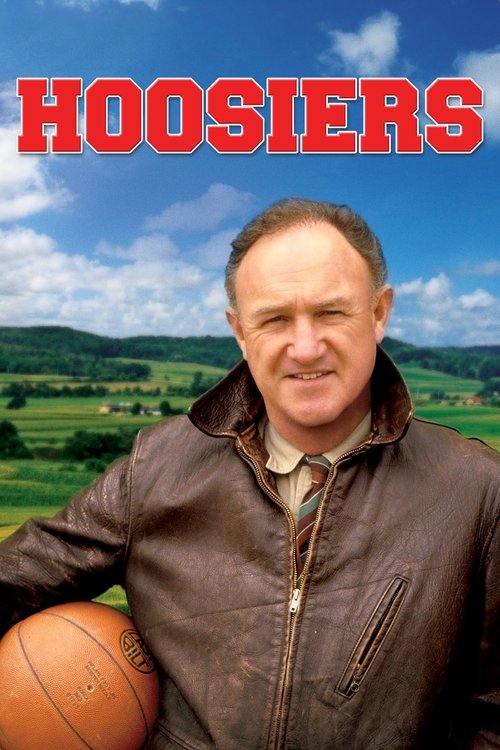
Hoosiers
Failed college coach Norman Dale gets a chance at redemption when he is hired to coach a high school basketball team in a tiny Indiana town. After a teacher persuades star player Jimmy Chitwood to quit and focus on his long-neglected studies, Dale struggles to develop a winning team in the face of community criticism for his temper and his unconventional choice of assistant coach: Shooter, a notorious alcoholic.
Despite its limited budget of $9.0M, Hoosiers became a commercial success, earning $28.6M worldwide—a 218% return. The film's innovative storytelling connected with viewers, confirming that strong storytelling can transcend budget limitations.
Nominated for 2 Oscars. 3 wins & 5 nominations


Plot Structure
Story beats plotted across runtime


Narrative Arc
Emotional journey through the story's key moments
Story Circle
Blueprint 15-beat structure
Arcplot Score Breakdown
Weighted: Precision (70%) + Arc (15%) + Theme (15%)
Hoosiers (1986) exemplifies strategically placed narrative design, characteristic of David Anspaugh's storytelling approach. This structural analysis examines how the film's 15-point plot structure maps to proven narrative frameworks across 1 hour and 54 minutes. With an Arcplot score of 6.1, the film takes an unconventional approach to traditional narrative frameworks.
Characters
Cast & narrative archetypes

Norman Dale
Myra Fleener
Shooter Flatch
Jimmy Chitwood
Everett Flatch
Buddy Walker
Merle Webb
Main Cast & Characters
Norman Dale
Played by Gene Hackman
A disgraced former college coach given a second chance at a small-town Indiana high school. Rigid, disciplined, and haunted by his past mistakes.
Myra Fleener
Played by Barbara Hershey
The high school teacher who protects her star player from basketball distractions. Skeptical of Dale but deeply committed to her students' futures.
Shooter Flatch
Played by Dennis Hopper
The town drunk and former basketball player who becomes assistant coach. A tragic figure seeking redemption through sobriety and purpose.
Jimmy Chitwood
Played by Maris Valainis
The town's basketball prodigy who initially refuses to play. Quiet, principled, and holds the key to the team's success.
Everett Flatch
Played by Brad Long
Shooter's son and team player who struggles with his father's alcoholism. Loyal but burdened by family shame.
Buddy Walker
Played by Brad Boyle
Team player who initially challenges Coach Dale's authority. Represents the town's resistance to change.
Merle Webb
Played by Chelcie Ross
A passionate townsperson and vocal critic of Coach Dale. Embodies small-town resistance to outsiders.
Structural Analysis
The Status Quo at 1 minutes (1% through the runtime) establishes Norman Dale arrives in Hickory, Indiana, a mysterious outsider coming to a small town with a storied basketball tradition. The town is skeptical and resistant to change.. Significantly, this early placement immediately immerses viewers in the story world.
The inciting incident occurs at 13 minutes when The town holds a meeting to vote Norman out as coach. The community actively opposes him, threatening his position and forcing him to confront whether he belongs here.. At 12% through the film, this Disruption aligns precisely with traditional story structure. This beat shifts the emotional landscape, launching the protagonist into the central conflict.
The First Threshold at 27 minutes marks the transition into Act II, occurring at 24% of the runtime. This demonstrates the protagonist's commitment to Jimmy Chitwood agrees to play basketball again, but only if Coach Dale stays. This saves Norman's job and commits the team to the journey together. The town must now accept him., moving from reaction to action.
At 57 minutes, the Midpoint arrives at 50% of the runtime—precisely centered, creating perfect narrative symmetry. Significantly, this crucial beat Hickory wins their way into the regional tournament. This false victory raises stakes - they're no longer just a small-town team, they're legitimate contenders. But the pressure intensifies and Norman's past begins to surface., fundamentally raising what's at risk. The emotional intensity shifts, dividing the narrative into clear before-and-after phases.
The Collapse moment at 83 minutes (73% through) represents the emotional nadir. Here, Shooter collapses during a game, drunk and broken. Norman must remove his assistant coach and friend, who is taken away to rehabilitation. The team's heart is torn out, and Norman faces his failure to save someone he cared about., illustrates the protagonist at their lowest point. This beat's placement in the final quarter sets up the climactic reversal.
The Second Threshold at 91 minutes initiates the final act resolution at 79% of the runtime. Shooter, from his hospital bed, tells Norman the team's plays and strategy for the championship game. Norman realizes he hasn't failed - he's built something bigger than basketball. The team unites for one final game., demonstrating the transformation achieved throughout the journey.
Emotional Journey
Hoosiers's emotional architecture traces a deliberate progression across 15 carefully calibrated beats.
Narrative Framework
This structural analysis employs structural analysis methodology used to understand storytelling architecture. By mapping Hoosiers against these established plot points, we can identify how David Anspaugh utilizes or subverts traditional narrative conventions. The plot point approach reveals not only adherence to structural principles but also creative choices that distinguish Hoosiers within the drama genre.
David Anspaugh's Structural Approach
Among the 2 David Anspaugh films analyzed on Arcplot, the average structural score is 6.5, demonstrating varied approaches to story architecture. Hoosiers takes a more unconventional approach compared to the director's typical style. For comparative analysis, explore the complete David Anspaugh filmography.
Comparative Analysis
Additional drama films include After Thomas, South Pacific and Dirty Dancing: Havana Nights. For more David Anspaugh analyses, see Rudy.
Plot Points by Act
Act I
SetupStatus Quo
Norman Dale arrives in Hickory, Indiana, a mysterious outsider coming to a small town with a storied basketball tradition. The town is skeptical and resistant to change.
Theme
Principal Cletus tells Norman: "There's more than basketball here." The theme of redemption and community over individual glory is established.
Worldbuilding
Introduction to Hickory's tight-knit community, their obsession with basketball, the team's dysfunction, and the town's resistance to Norman's unconventional coaching methods. Jimmy Chitwood, the town's star player, refuses to play.
Disruption
The town holds a meeting to vote Norman out as coach. The community actively opposes him, threatening his position and forcing him to confront whether he belongs here.
Resistance
Norman struggles to prove himself, dealing with player rebellion, town hostility, and his own demons. He recruits Shooter, the town drunk, as assistant coach. The team begins to reluctantly accept his discipline-focused approach.
Act II
ConfrontationFirst Threshold
Jimmy Chitwood agrees to play basketball again, but only if Coach Dale stays. This saves Norman's job and commits the team to the journey together. The town must now accept him.
Mirror World
Norman's relationship with Myra Fleener deepens. She represents the life he could have - stability, connection, healing from his past. She challenges him to be more than just a coach.
Premise
The team bonds and starts winning games. Norman's methods prove effective as the boys learn teamwork and discipline. The community slowly warms to him. The promise of the underdog basketball story unfolds with tournament preparation.
Midpoint
Hickory wins their way into the regional tournament. This false victory raises stakes - they're no longer just a small-town team, they're legitimate contenders. But the pressure intensifies and Norman's past begins to surface.
Opposition
As the team advances, the pressure mounts. Shooter's alcoholism spirals out of control. Norman's dark past (hitting a player at his previous job) is revealed. The competition gets fiercer, and internal conflicts threaten to destroy everything they've built.
Collapse
Shooter collapses during a game, drunk and broken. Norman must remove his assistant coach and friend, who is taken away to rehabilitation. The team's heart is torn out, and Norman faces his failure to save someone he cared about.
Crisis
Norman visits Shooter in the hospital, confronting his own demons and failures. The team must decide whether to continue without their assistant coach. Norman questions whether he's helped or hurt this community.
Act III
ResolutionSecond Threshold
Shooter, from his hospital bed, tells Norman the team's plays and strategy for the championship game. Norman realizes he hasn't failed - he's built something bigger than basketball. The team unites for one final game.
Synthesis
The state championship game against South Bend Central. Hickory, a tiny school, faces the powerhouse. Norman uses everything he's learned about his team, the town, and himself. The game is hard-fought, with Jimmy making the final shot to win.
Transformation
Hickory celebrates their championship victory. Norman, once an outcast, is embraced by the community. He's found redemption not through basketball glory, but through genuine connection and healing. He belongs.