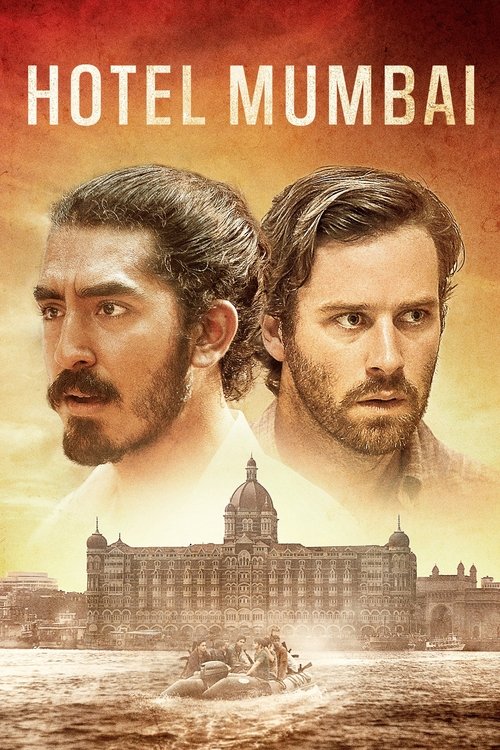
Hotel Mumbai
Mumbai, India, November 26, 2008. While several terrorists spread hatred and death through the city, others attack the Taj Mahal Palace Hotel. Both hotel staff and guests risk their lives, making unthinkable sacrifices to protect themselves and keep everyone safe while help arrives.
The film struggled financially against its respectable budget of $25.0M, earning $16.9M globally (-32% loss). While initial box office returns were modest, the film has gained appreciation for its distinctive approach within the thriller genre.
9 wins & 28 nominations


Plot Structure
Story beats plotted across runtime


Narrative Arc
Emotional journey through the story's key moments
Story Circle
Blueprint 15-beat structure
Arcplot Score Breakdown
Weighted: Precision (70%) + Arc (15%) + Theme (15%)
Hotel Mumbai (2019) demonstrates precise plot construction, characteristic of Anthony Maras's storytelling approach. This structural analysis examines how the film's 15-point plot structure maps to proven narrative frameworks across 2 hours and 3 minutes. With an Arcplot score of 6.7, the film balances conventional beats with creative variation.
Characters
Cast & narrative archetypes

Arjun
David
Zahra
Vasili
Chef Hemant Oberoi
Sally
Imran
Bull
Main Cast & Characters
Arjun
Played by Dev Patel
A dedicated waiter at the Taj Hotel who risks his life to protect guests during the terrorist attack
David
Played by Armie Hammer
An American architect staying at the hotel with his wife and infant son during the siege
Zahra
Played by Nazanin Boniadi
David's wife, a Muslim woman who must hide her identity to protect herself and her family during the attack
Vasili
Played by Jason Isaacs
A wealthy Russian businessman who initially appears callous but reveals his humanity during the crisis
Chef Hemant Oberoi
Played by Anupam Kher
The head chef of the Taj Hotel who leads staff and guests to safety while maintaining dignity under pressure
Sally
Played by Tilda Cobham-Hervey
Vasili's companion, a former special forces operative who uses her training to help others survive
Imran
Played by Amandeep Singh
One of the young Pakistani terrorists who participates in the attack, showing moments of doubt and fear
Bull
Played by Nagesh Bhosle
The main handler coordinating the terrorists remotely, manipulating young men to carry out violence
Structural Analysis
The Status Quo at 2 minutes (1% through the runtime) establishes Arjun, a waiter at the Taj Hotel, rushes to work without proper shoes, establishing the everyday normalcy of Mumbai and the hotel staff's working-class lives before the attack.. Of particular interest, this early placement immediately immerses viewers in the story world.
The inciting incident occurs at 15 minutes when Gunfire erupts as terrorists attack Mumbai landmarks including the train station. The attacks reach the Taj Hotel as gunmen storm the lobby, shattering the peaceful atmosphere with brutal violence.. At 12% through the film, this Disruption aligns precisely with traditional story structure. This beat shifts the emotional landscape, launching the protagonist into the central conflict.
The First Threshold at 31 minutes marks the transition into Act II, occurring at 25% of the runtime. This demonstrates the protagonist's commitment to Arjun and other staff members make the active choice to stay and protect the guests rather than flee to safety, committing themselves to the siege situation despite the mortal danger., moving from reaction to action.
At 62 minutes, the Midpoint arrives at 50% of the runtime—precisely centered, creating perfect narrative symmetry. Structural examination shows that this crucial beat False hope collapses when a rumored rescue or respite fails to materialize. Terrorists set the hotel on fire, raising the stakes. What seemed like a survivable situation becomes increasingly dire., fundamentally raising what's at risk. The emotional intensity shifts, dividing the narrative into clear before-and-after phases.
The Collapse moment at 92 minutes (75% through) represents the emotional nadir. Here, Chef Oberoi is killed by terrorists after maintaining his dignity and protecting guests throughout. His death represents the ultimate sacrifice and the loss of the moral center who embodied "Guest is God."., demonstrates the protagonist at their lowest point. This beat's placement in the final quarter sets up the climactic reversal.
The Second Threshold at 99 minutes initiates the final act resolution at 80% of the runtime. Special forces finally breach the hotel. Survivors realize rescue is truly coming. Arjun and others make final pushes to save remaining guests, combining their knowledge of the hotel with new hope., demonstrating the transformation achieved throughout the journey.
Emotional Journey
Hotel Mumbai's emotional architecture traces a deliberate progression across 15 carefully calibrated beats.
Narrative Framework
This structural analysis employs a 15-point narrative structure framework that maps key story moments. By mapping Hotel Mumbai against these established plot points, we can identify how Anthony Maras utilizes or subverts traditional narrative conventions. The plot point approach reveals not only adherence to structural principles but also creative choices that distinguish Hotel Mumbai within the thriller genre.
Comparative Analysis
Additional thriller films include The Warriors, Thunderball and Rustom.
Plot Points by Act
Act I
SetupStatus Quo
Arjun, a waiter at the Taj Hotel, rushes to work without proper shoes, establishing the everyday normalcy of Mumbai and the hotel staff's working-class lives before the attack.
Theme
Chef Oberoi tells staff "Guest is God" - the hotel's philosophy that will drive their decision to protect guests at all costs during the siege.
Worldbuilding
Introduction of key characters: wealthy guests David and Zahra with their baby and nanny Sally, Russian businessman Vasili, and hotel staff. The luxury and routine of the Taj is established alongside the terrorists' boat approach to Mumbai.
Disruption
Gunfire erupts as terrorists attack Mumbai landmarks including the train station. The attacks reach the Taj Hotel as gunmen storm the lobby, shattering the peaceful atmosphere with brutal violence.
Resistance
Chaos and initial response: staff and guests scramble to understand what's happening. Chef Oberoi and Arjun debate whether to flee or stay. Some staff choose to help guests hide while others escape. The decision point approaches.
Act II
ConfrontationFirst Threshold
Arjun and other staff members make the active choice to stay and protect the guests rather than flee to safety, committing themselves to the siege situation despite the mortal danger.
Mirror World
David and Zahra's relationship with their nanny Sally deepens as they hide together. The bond between guests and staff reflects the theme of shared humanity transcending class divisions in crisis.
Premise
The siege unfolds with guests and staff hiding in various locations - the Chambers lounge, rooms, and kitchen. Cat-and-mouse tension as terrorists search floors. Staff risk their lives helping guests escape or find better hiding spots.
Midpoint
False hope collapses when a rumored rescue or respite fails to materialize. Terrorists set the hotel on fire, raising the stakes. What seemed like a survivable situation becomes increasingly dire.
Opposition
Terrorists intensify their hunt, executing hostages. Fire spreads through the hotel. Multiple close calls and deaths of supporting characters. Special forces arrive but can't immediately help. Desperation mounts.
Collapse
Chef Oberoi is killed by terrorists after maintaining his dignity and protecting guests throughout. His death represents the ultimate sacrifice and the loss of the moral center who embodied "Guest is God."
Crisis
Survivors process the devastating losses and seemingly impossible situation. Arjun and remaining staff face their darkest moment, surrounded by fire and terrorists, questioning if anyone will survive.
Act III
ResolutionSecond Threshold
Special forces finally breach the hotel. Survivors realize rescue is truly coming. Arjun and others make final pushes to save remaining guests, combining their knowledge of the hotel with new hope.
Synthesis
Final confrontations between special forces and terrorists. Remaining hostages are rescued including David, Zahra, their baby, and Sally. Arjun survives. The siege ends after nearly 68 hours with the hotel devastated but not broken.
Transformation
Arjun reunites with his family, transformed from a humble waiter into a hero. The Taj's facade is damaged but standing. Text reveals the hotel reopened, showing resilience. The ordinary waiter's world is forever changed by his extraordinary courage.