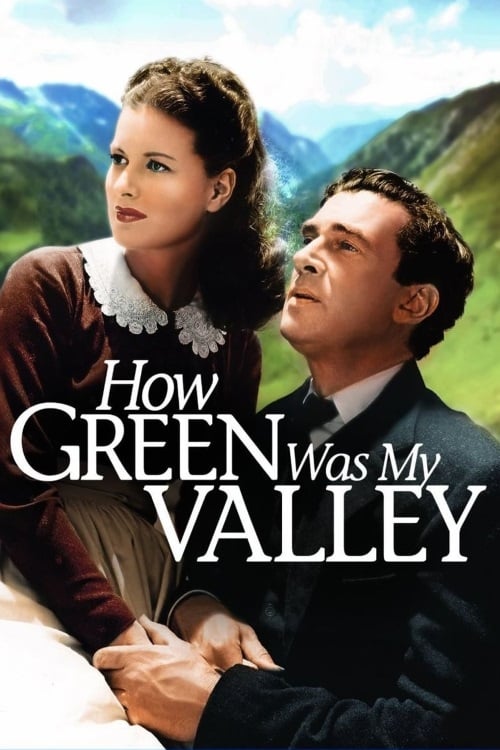
How Green Was My Valley
A man in his fifties reminisces about his childhood growing up in a Welsh mining village at the turn of the 20th century.
Despite its small-scale budget of $1.3M, How Green Was My Valley became a solid performer, earning $6.0M worldwide—a 380% return. The film's unique voice engaged audiences, proving that strong storytelling can transcend budget limitations.
5 Oscars. 19 wins & 6 nominations


Plot Structure
Story beats plotted across runtime


Narrative Arc
Emotional journey through the story's key moments
Story Circle
Blueprint 15-beat structure
Arcplot Score Breakdown
Weighted: Precision (70%) + Arc (15%) + Theme (15%)
How Green Was My Valley (1941) showcases deliberately positioned narrative design, characteristic of John Ford's storytelling approach. This structural analysis examines how the film's 15-point plot structure maps to proven narrative frameworks across 1 hour and 58 minutes. With an Arcplot score of 7.3, the film balances conventional beats with creative variation.
Characters
Cast & narrative archetypes

Huw Morgan
Mr. Gruffydd
Angharad Morgan
Gwilym Morgan
Beth Morgan
Ivor Morgan
Bronwyn Morgan
Ianto Morgan
Davy Morgan
Main Cast & Characters
Huw Morgan
Played by Roddy McDowall
The youngest son of the Morgan family who narrates the story of his Welsh mining village childhood and witnesses his family's gradual dissolution.
Mr. Gruffydd
Played by Walter Pidgeon
The idealistic new minister who becomes a moral anchor for the community and develops a restrained love for Angharad.
Angharad Morgan
Played by Maureen O'Hara
Huw's sister who loves Mr. Gruffydd but marries the mine owner's son for social advancement, leading to personal unhappiness.
Gwilym Morgan
Played by Donald Crisp
The patriarch of the Morgan family, a proud coal miner who upholds traditional values and struggles as his sons leave the mines.
Beth Morgan
Played by Sara Allgood
The strong and loving matriarch who holds the family together through economic hardship and tragedy.
Ivor Morgan
Played by Patric Knowles
The eldest Morgan son, a gentle and kind married man who represents family unity and tradition.
Bronwyn Morgan
Played by Anna Lee
Ivor's devoted wife who becomes a beloved member of the Morgan family and shows strength in tragedy.
Ianto Morgan
Played by John Loder
One of the Morgan brothers who joins the labor organizing efforts and eventually emigrates.
Davy Morgan
Played by Richard Fraser
One of the Morgan brothers who stands up to his father over union issues and seeks opportunity elsewhere.
Structural Analysis
The Status Quo at 2 minutes (1% through the runtime) establishes Adult Huw narrates as we see the green valley of his youth. The Morgan family is intact, prosperous, and united in their Welsh mining village. Father Gwilym leads the household with dignity, mother Beth tends the home, and the brothers work together in the mines.. Notably, this early placement immediately immerses viewers in the story world.
The inciting incident occurs at 15 minutes when The mine owners announce wage cuts. The older Morgan brothers want to form a union and strike. Father refuses, creating the first fracture in family unity. The conflict between tradition and progress, loyalty and survival begins.. At 13% through the film, this Disruption is delayed, allowing extended setup of the story world. This beat shifts the emotional landscape, launching the protagonist into the central conflict.
The First Threshold at 31 minutes marks the transition into Act II, occurring at 26% of the runtime. This indicates the protagonist's commitment to Huw chooses to walk again, defying the doctor's prognosis. With Mr. Gruffydd's encouragement, he takes his first painful steps. This act of will marks his transition from passive child to active participant in his own fate., moving from reaction to action.
At 62 minutes, the Midpoint arrives at 52% of the runtime—precisely centered, creating perfect narrative symmetry. The analysis reveals that this crucial beat Angharad marries the wealthy mine owner's son instead of Mr. Gruffydd, choosing security over love. This false victory (a grand wedding) is actually a defeat - she sacrifices happiness for material comfort. The theme crystallizes: prosperity without love is empty., fundamentally raising what's at risk. The emotional intensity shifts, dividing the narrative into clear before-and-after phases.
The Collapse moment at 92 minutes (78% through) represents the emotional nadir. Here, Mr. Gruffydd announces he must leave the valley due to scandal. Then, catastrophically, there is an explosion in the mine. Father Gwilym is trapped underground. The literal and metaphorical death: the patriarch, the mine, the old way of life - all dying together., indicates the protagonist at their lowest point. This beat's placement in the final quarter sets up the climactic reversal.
The Second Threshold at 97 minutes initiates the final act resolution at 83% of the runtime. Huw reaches his father in the flooded mine shaft. In their final moments together, Gwilym Morgan passes on his wisdom and blessing. Huw gains the clarity that he must carry forward the memory and values of what was, even as he leaves the valley forever., demonstrating the transformation achieved throughout the journey.
Emotional Journey
How Green Was My Valley's emotional architecture traces a deliberate progression across 15 carefully calibrated beats.
Narrative Framework
This structural analysis employs proven narrative structure principles that track dramatic progression. By mapping How Green Was My Valley against these established plot points, we can identify how John Ford utilizes or subverts traditional narrative conventions. The plot point approach reveals not only adherence to structural principles but also creative choices that distinguish How Green Was My Valley within the drama genre.
John Ford's Structural Approach
Among the 6 John Ford films analyzed on Arcplot, the average structural score is 6.9, demonstrating varied approaches to story architecture. How Green Was My Valley represents one of the director's most structurally precise works. For comparative analysis, explore the complete John Ford filmography.
Comparative Analysis
Additional drama films include After Thomas, South Pacific and Dirty Dancing: Havana Nights. For more John Ford analyses, see She Wore a Yellow Ribbon, Donovan's Reef and How the West Was Won.
Plot Points by Act
Act I
SetupStatus Quo
Adult Huw narrates as we see the green valley of his youth. The Morgan family is intact, prosperous, and united in their Welsh mining village. Father Gwilym leads the household with dignity, mother Beth tends the home, and the brothers work together in the mines.
Theme
Mr. Gruffydd tells young Huw: "You have a home, a family. You are rich and you don't even know it." The theme of appreciating what you have before it's gone is established.
Worldbuilding
We see the rhythms of life in the mining village: the men coming home from the pit, family dinners where everyone gathers, chapel on Sunday, courtships beginning. The social hierarchy and economic dependence on the mine owners is established. Huw idolizes his brothers and father.
Disruption
The mine owners announce wage cuts. The older Morgan brothers want to form a union and strike. Father refuses, creating the first fracture in family unity. The conflict between tradition and progress, loyalty and survival begins.
Resistance
The strike debate intensifies. The brothers are forced to leave home when father won't allow union talk under his roof. Beth stands in the freezing river to support her sons, falling ill. Huw loses the use of his legs. Mr. Gruffydd begins mentoring Huw during his recovery, teaching him strength and dignity.
Act II
ConfrontationFirst Threshold
Huw chooses to walk again, defying the doctor's prognosis. With Mr. Gruffydd's encouragement, he takes his first painful steps. This act of will marks his transition from passive child to active participant in his own fate.
Mirror World
Huw's relationship with Mr. Gruffydd deepens. The minister represents the moral and spiritual alternative to the material concerns tearing the family apart. His growing love for Angharad (Huw's sister) introduces the thematic subplot about choosing between love and duty.
Premise
Huw returns to health and begins school, facing cruel teachers but finding his strength. The family tentatively reunites after the strike ends, though brothers have married and moved away. Courtships bloom and fade. Life in the valley continues but the cracks are showing. The "promise" is experiencing this world at its fullest before it disappears.
Midpoint
Angharad marries the wealthy mine owner's son instead of Mr. Gruffydd, choosing security over love. This false victory (a grand wedding) is actually a defeat - she sacrifices happiness for material comfort. The theme crystallizes: prosperity without love is empty.
Opposition
The valley darkens. Angharad is miserable in her loveless marriage. Gossip spreads about her continued feelings for Mr. Gruffydd, threatening to destroy him. Economic conditions worsen. More brothers leave to find work elsewhere. The slag heaps grow, literally blackening the green valley. The community fractures under economic and moral pressure.
Collapse
Mr. Gruffydd announces he must leave the valley due to scandal. Then, catastrophically, there is an explosion in the mine. Father Gwilym is trapped underground. The literal and metaphorical death: the patriarch, the mine, the old way of life - all dying together.
Crisis
The community rushes to the mine. Huw descends into the pit with rescuers to save his father. In the darkness and danger, Huw confronts the reality that everything he loved is ending. This is the dark night before acceptance.
Act III
ResolutionSecond Threshold
Huw reaches his father in the flooded mine shaft. In their final moments together, Gwilym Morgan passes on his wisdom and blessing. Huw gains the clarity that he must carry forward the memory and values of what was, even as he leaves the valley forever.
Synthesis
Father dies in Huw's arms. They bring his body up from the mine. The funeral and aftermath. The family and community mourn not just Gwilym but the end of an era. Huw prepares to leave the valley, now blackened and depleted, to seek his fortune elsewhere.
Transformation
Adult Huw's narration concludes: though the valley is gone and black with slag, in his memory it remains green. He carries his family's love and values forward. The closing image mirrors the opening - the valley - but now we understand what was lost and what endures. Transformation: from innocent boy to man who understands that love and memory are what truly last.