Hugo
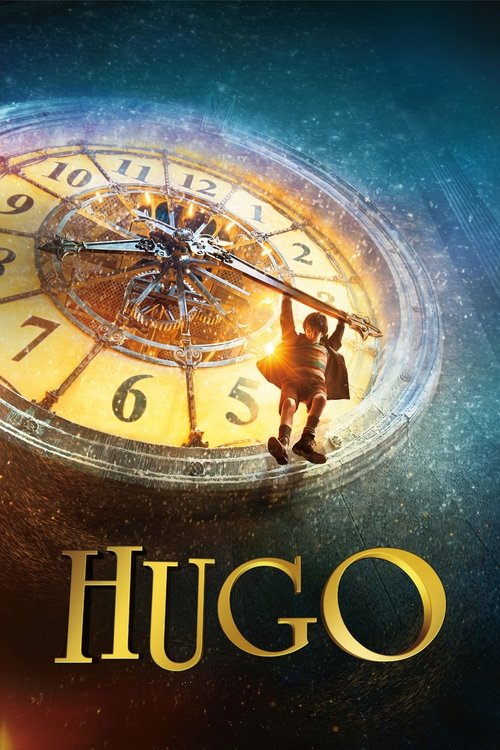
In 1931 Paris, an orphan living in the walls of a train station gets wrapped up in a mystery involving his late father and an automaton.
Working with a major studio investment of $170.0M, the film achieved a respectable showing with $185.8M in global revenue (+9% profit margin).
5 Oscars. 61 wins & 193 nominations


Plot Structure
Story beats plotted across runtime


Narrative Arc
Emotional journey through the story's key moments
Story Circle
Blueprint 15-beat structure
Characters
Cast & narrative archetypes

Hugo Cabret
Georges Méliès
Isabelle
Station Inspector
Papa Georges (Hugo's Father)
Mama Jeanne
Main Cast & Characters
Hugo Cabret
Played by Asa Butterfield
An orphaned boy living secretly in the walls of a Paris train station, determined to repair his father's automaton.
Georges Méliès
Played by Ben Kingsley
A bitter old toymaker in the station who harbors a secret past as a pioneering filmmaker.
Isabelle
Played by Chloë Grace Moretz
Georges' goddaughter, an adventurous girl who befriends Hugo and shares his quest for mystery.
Station Inspector
Played by Sacha Baron Cohen
A rigid, rule-obsessed railway inspector who hunts orphans in the station, hiding his own loneliness.
Papa Georges (Hugo's Father)
Played by Jude Law
A loving clockmaker who inspires Hugo's passion for mechanics before dying in a museum fire.
Mama Jeanne
Played by Helen McCrory
Georges' wife who knows his painful past and helps protect his emotional wounds.
Structural Analysis
The Status Quo at 1 minutes (1% through the runtime) establishes Hugo Cabret lives secretly in the walls of a 1930s Paris train station, stealing food and maintaining the clocks. He's an orphaned, lonely boy obsessed with fixing a broken automaton his father left him—his only connection to his lost parent.. Significantly, this early placement immediately immerses viewers in the story world.
The inciting incident occurs at 15 minutes when Papa Georges catches Hugo stealing parts and confiscates his precious notebook—the one containing his father's drawings and notes about the automaton. This threatens Hugo's entire purpose and connection to his father.. At 12% through the film, this Disruption aligns precisely with traditional story structure. This beat shifts the emotional landscape, launching the protagonist into the central conflict.
The First Threshold at 32 minutes marks the transition into Act II, occurring at 25% of the runtime. This reveals the protagonist's commitment to Hugo makes the active choice to show Isabelle his secret world in the station walls and reveal the automaton to her. This is his irreversible decision to trust someone and leave his isolated existence. Isabelle discovers she has the heart-shaped key that fits the automaton., moving from reaction to action.
At 63 minutes, the Midpoint arrives at 50% of the runtime—precisely centered, creating perfect narrative symmetry. Of particular interest, this crucial beat False defeat: Mama Jeanne discovers the drawing and furiously orders Hugo and Isabelle to stop their investigation, revealing that Papa Georges is indeed Georges Méliès. She burns the drawing. The mystery seems closed, and Hugo's hope of understanding his father's gift appears destroyed. Stakes raise: the past is more painful than they knew., fundamentally raising what's at risk. The emotional intensity shifts, dividing the narrative into clear before-and-after phases.
The Collapse moment at 95 minutes (75% through) represents the emotional nadir. Here, Hugo is caught by the station inspector and nearly sent to the orphanage. The inspector's dog attacks the automaton, damaging it. Hugo's entire purpose—fixing the automaton, honoring his father—appears destroyed. He faces losing both his freedom and his father's legacy. Georges witnesses this and sees Hugo's desperation., shows the protagonist at their lowest point. This beat's placement in the final quarter sets up the climactic reversal.
The Second Threshold at 100 minutes initiates the final act resolution at 79% of the runtime. Georges chooses to save Hugo from the orphanage. Tabard arrives with the restored films, and Georges finally agrees to watch them, confronting his past. This synthesis moment combines Hugo's determination to fix things with Georges' rediscovered purpose. Both realize they can fix each other., demonstrating the transformation achieved throughout the journey.
Emotional Journey
Hugo's emotional architecture traces a deliberate progression across 15 carefully calibrated beats.
Narrative Framework
This structural analysis employs structural analysis methodology used to understand storytelling architecture. By mapping Hugo against these established plot points, we can identify how Martin Scorsese utilizes or subverts traditional narrative conventions. The plot point approach reveals not only adherence to structural principles but also creative choices that distinguish Hugo within the adventure genre.
Martin Scorsese's Structural Approach
Among the 18 Martin Scorsese films analyzed on Arcplot, the average structural score is 6.0, showcasing experimental approaches to narrative form. Hugo exemplifies the director's characteristic narrative technique. For comparative analysis, explore the complete Martin Scorsese filmography.
Comparative Analysis
Additional adventure films include The Black Stallion, The Bad Guys and Puss in Boots. For more Martin Scorsese analyses, see Casino, Killers of the Flower Moon and After Hours.
Plot Points by Act
Act I
SetupStatus Quo
Hugo Cabret lives secretly in the walls of a 1930s Paris train station, stealing food and maintaining the clocks. He's an orphaned, lonely boy obsessed with fixing a broken automaton his father left him—his only connection to his lost parent.
Theme
Hugo's father tells him in flashback: "If you lose your purpose... it's like you're broken." This thematic statement establishes the film's central question about finding purpose and being "fixed" versus broken.
Worldbuilding
We discover Hugo's world: his drunk uncle who was supposed to care for him disappeared, leaving Hugo to maintain the station clocks alone. He steals parts from Papa Georges' toy booth to fix the automaton. We meet the station inspector who hunts vagrant children, Isabelle (Georges' goddaughter), and the various station characters.
Disruption
Papa Georges catches Hugo stealing parts and confiscates his precious notebook—the one containing his father's drawings and notes about the automaton. This threatens Hugo's entire purpose and connection to his father.
Resistance
Hugo debates how to retrieve his notebook. Isabelle offers to help him get it back. They form an alliance. Hugo resists bringing her fully into his world but needs her help. She's drawn to the mystery and adventure, having lived a sheltered bookish life.
Act II
ConfrontationFirst Threshold
Hugo makes the active choice to show Isabelle his secret world in the station walls and reveal the automaton to her. This is his irreversible decision to trust someone and leave his isolated existence. Isabelle discovers she has the heart-shaped key that fits the automaton.
Mirror World
Hugo and Isabelle's friendship deepens as she introduces him to movies and the magic of cinema. She represents connection, purpose through relationships, and the idea that broken things (and people) can be fixed through love and discovery. Their partnership embodies the theme.
Premise
Hugo and Isabelle embark on their adventure: they activate the automaton which draws a scene from "A Trip to the Moon." They investigate the signature, discovering it connects to Georges Méliès. They research at the Film Academy library, uncovering that Méliès was a pioneering filmmaker. The fun of their mystery-solving and growing friendship unfolds.
Midpoint
False defeat: Mama Jeanne discovers the drawing and furiously orders Hugo and Isabelle to stop their investigation, revealing that Papa Georges is indeed Georges Méliès. She burns the drawing. The mystery seems closed, and Hugo's hope of understanding his father's gift appears destroyed. Stakes raise: the past is more painful than they knew.
Opposition
Despite the setback, Hugo and Isabelle persist. They meet René Tabard, a film scholar who has been searching for Méliès. The station inspector closes in on Hugo. Georges becomes increasingly bitter and withdrawn. Hugo's secret life becomes more precarious as the inspector grows more suspicious. The children learn about Méliès' lost films and broken spirit.
Collapse
Hugo is caught by the station inspector and nearly sent to the orphanage. The inspector's dog attacks the automaton, damaging it. Hugo's entire purpose—fixing the automaton, honoring his father—appears destroyed. He faces losing both his freedom and his father's legacy. Georges witnesses this and sees Hugo's desperation.
Crisis
Hugo sits in darkness, defeated. Georges confronts his own dark night—the pain of his forgotten films, his lost purpose, his broken spirit. Both Hugo and Georges are at their lowest point, facing the question of whether broken things can truly be fixed.
Act III
ResolutionSecond Threshold
Georges chooses to save Hugo from the orphanage. Tabard arrives with the restored films, and Georges finally agrees to watch them, confronting his past. This synthesis moment combines Hugo's determination to fix things with Georges' rediscovered purpose. Both realize they can fix each other.
Synthesis
The finale: Georges shares his story and films at a grand celebration at the Film Academy. Hugo repairs the automaton completely. The community comes together. Georges accepts his legacy and finds new purpose. Hugo finds a family and home. The station inspector finds love and softens. All broken pieces are mended.
Transformation
Hugo, now part of Georges' family, writes his story. The final image mirrors the opening: Hugo in the station, but no longer hiding and alone. He's integrated into a loving family and community. Both he and Georges have found their purpose—they've been "fixed" by finding connection and meaning.