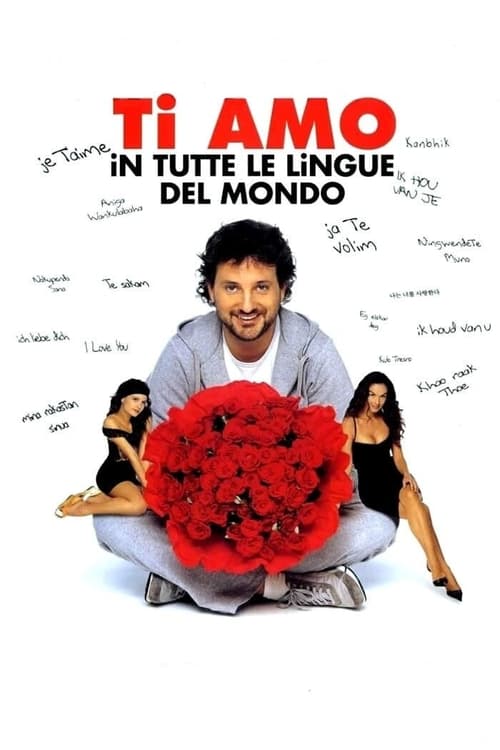
I Love You in All Languages of the World
A divorced high school PE teacher falls in love with a single mom before learning that her daughter is a student who's been hitting on him between classes.
The film earned $23.9M at the global box office.
Plot Structure
Story beats plotted across runtime


Narrative Arc
Emotional journey through the story's key moments
Story Circle
Blueprint 15-beat structure
Arcplot Score Breakdown
Weighted: Precision (70%) + Arc (15%) + Theme (15%)
I Love You in All Languages of the World (2005) showcases meticulously timed narrative architecture, characteristic of Leonardo Pieraccioni's storytelling approach. This structural analysis examines how the film's 15-point plot structure maps to proven narrative frameworks across 1 hour and 39 minutes. With an Arcplot score of 7.4, the film balances conventional beats with creative variation.
Structural Analysis
The Status Quo at 1 minutes (1% through the runtime) establishes Jérémie is introduced as a polyglot working as a translator, living a solitary but comfortable life in Brussels, emotionally detached from meaningful relationships.. Significantly, this early placement immediately immerses viewers in the story world.
The inciting incident occurs at 12 minutes when Jérémie meets a woman who challenges his worldview, or receives an assignment that will force him out of his comfort zone and into genuine emotional territory.. At 12% through the film, this Disruption aligns precisely with traditional story structure. This beat shifts the emotional landscape, launching the protagonist into the central conflict.
The First Threshold at 25 minutes marks the transition into Act II, occurring at 25% of the runtime. This shows the protagonist's commitment to Jérémie makes the active choice to pursue an authentic relationship, stepping beyond his safe world of translations and into the vulnerability of real emotional connection., moving from reaction to action.
At 49 minutes, the Midpoint arrives at 49% of the runtime—precisely centered, creating perfect narrative symmetry. The analysis reveals that this crucial beat False victory: Jérémie believes he's mastered love like he mastered languages, feeling confident in the relationship, but this superficial understanding will soon be tested., fundamentally raising what's at risk. The emotional intensity shifts, dividing the narrative into clear before-and-after phases.
The Collapse moment at 73 minutes (74% through) represents the emotional nadir. Here, The relationship falls apart; Jérémie loses the person he loves because he relied on words instead of genuine emotional presence—a death of the false self and the dream of easy connection., illustrates the protagonist at their lowest point. This beat's placement in the final quarter sets up the climactic reversal.
The Second Threshold at 79 minutes initiates the final act resolution at 80% of the runtime. Jérémie realizes that true communication requires vulnerability and presence, not just vocabulary—he synthesizes his gift for language with newfound emotional honesty., demonstrating the transformation achieved throughout the journey.
Emotional Journey
I Love You in All Languages of the World's emotional architecture traces a deliberate progression across 15 carefully calibrated beats.
Narrative Framework
This structural analysis employs proven narrative structure principles that track dramatic progression. By mapping I Love You in All Languages of the World against these established plot points, we can identify how Leonardo Pieraccioni utilizes or subverts traditional narrative conventions. The plot point approach reveals not only adherence to structural principles but also creative choices that distinguish I Love You in All Languages of the World within the romance genre.
Comparative Analysis
Additional romance films include South Pacific, Last Night and Diana.
Plot Points by Act
Act I
SetupStatus Quo
Jérémie is introduced as a polyglot working as a translator, living a solitary but comfortable life in Brussels, emotionally detached from meaningful relationships.
Theme
A colleague or friend mentions that "knowing how to say something doesn't mean you know how to feel it," suggesting the theme of authentic connection versus linguistic proficiency.
Worldbuilding
Establishment of Jérémie's world: his work as a translator, his mechanical approach to language and relationships, his European lifestyle, and his emotional unavailability despite being surrounded by words of love.
Disruption
Jérémie meets a woman who challenges his worldview, or receives an assignment that will force him out of his comfort zone and into genuine emotional territory.
Resistance
Jérémie resists emotional involvement, debates whether to pursue this connection, and grapples with his inability to translate feelings despite his linguistic expertise.
Act II
ConfrontationFirst Threshold
Jérémie makes the active choice to pursue an authentic relationship, stepping beyond his safe world of translations and into the vulnerability of real emotional connection.
Mirror World
Introduction of the romantic relationship that will teach Jérémie about genuine feeling versus mere words—the love interest becomes his mirror, reflecting what he lacks.
Premise
The fun of exploring love across cultures and languages: romantic moments, comedic misunderstandings, the joy of connection, and Jérémie experiencing what he's only translated before.
Midpoint
False victory: Jérémie believes he's mastered love like he mastered languages, feeling confident in the relationship, but this superficial understanding will soon be tested.
Opposition
The relationship faces challenges: communication breakdowns despite shared languages, cultural misunderstandings, Jérémie's old patterns resurface, and the gap between saying "I love you" and truly loving becomes apparent.
Collapse
The relationship falls apart; Jérémie loses the person he loves because he relied on words instead of genuine emotional presence—a death of the false self and the dream of easy connection.
Crisis
Jérémie sits in his dark night, confronting the emptiness of his linguistic skills without emotional authenticity, processing the loss and what he must truly change within himself.
Act III
ResolutionSecond Threshold
Jérémie realizes that true communication requires vulnerability and presence, not just vocabulary—he synthesizes his gift for language with newfound emotional honesty.
Synthesis
Jérémie takes action to demonstrate his transformation, using his linguistic abilities not as a shield but as a bridge to genuine connection, proving through behavior that he's changed.
Transformation
Final image mirrors the opening but transformed: Jérémie now understands that "I love you" means nothing in any language without the courage to truly feel and show it.