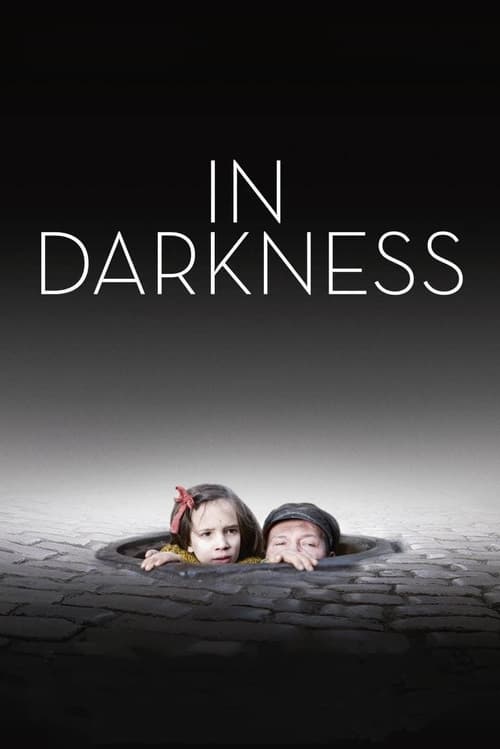
In Darkness
A dramatization of one man's rescue of Jewish refugees in the Nazi-occupied Polish city of Lvov. In Darkness tells the true story of Leopold Soha who risks his own life to save a dozen people from certain death. Initially only interested in his own good, the thief and burglar hides Jewish refugees for 14 months in the sewers of the Nazi-occupied town of Lvov (formerly Poland).
The film earned $5.6M at the global box office.
Nominated for 1 Oscar. 11 wins & 19 nominations


Plot Structure
Story beats plotted across runtime


Narrative Arc
Emotional journey through the story's key moments
Story Circle
Blueprint 15-beat structure
Arcplot Score Breakdown
Weighted: Precision (70%) + Arc (15%) + Theme (15%)
In Darkness (2011) exhibits carefully calibrated story structure, characteristic of Agnieszka Holland's storytelling approach. This structural analysis examines how the film's 15-point plot structure maps to proven narrative frameworks across 2 hours and 25 minutes. With an Arcplot score of 7.4, the film balances conventional beats with creative variation.
Characters
Cast & narrative archetypes

Leopold Socha
Mundek Margulies
Klara Keller
Ignacy Chiger
Paulina Chiger
Wanda Socha
Stefan Wroblewski
Main Cast & Characters
Leopold Socha
Played by Robert Wieckiewicz
A Polish sewer worker and petty thief who hides Jewish refugees in the sewers of Lvov during WWII, transforming from opportunist to protector.
Mundek Margulies
Played by Benno Fürmann
A resourceful Jewish refugee and leader among the hidden group who negotiates with Socha and helps maintain order in the sewers.
Klara Keller
Played by Agnieszka Grochowska
A Jewish woman hiding in the sewers who struggles with the psychological toll of underground life and her marriage.
Ignacy Chiger
Played by Herbert Knaup
A Jewish intellectual and father who chronicles the group's survival in the sewers while protecting his family.
Paulina Chiger
Played by Maria Schrader
Ignacy's wife and mother who maintains hope and humanity while caring for her children in impossible conditions.
Wanda Socha
Played by Kinga Preis
Leopold's wife who initially opposes his dangerous decision to hide Jews but ultimately supports him.
Stefan Wroblewski
Played by Marcin Bosak
Leopold's partner and fellow sewer worker who assists in hiding the refugees despite the risks.
Structural Analysis
The Status Quo at 1 minutes (1% through the runtime) establishes Leopold Socha is introduced in the dark sewers of Lvov, working as a municipal sewer inspector while secretly using his knowledge of the underground tunnels for petty thievery. His ordinary world is one of moral ambiguity and survival under Nazi occupation.. Notably, this early placement immediately immerses viewers in the story world.
The inciting incident occurs at 17 minutes when The liquidation of the Lvov ghetto begins. Jews flee in desperation, and a group led by Mundek Margulies escapes into the sewers, where they encounter Socha. This catastrophic event disrupts Socha's criminal routine and forces a moral confrontation.. At 12% through the film, this Disruption aligns precisely with traditional story structure. This beat shifts the emotional landscape, launching the protagonist into the central conflict.
The First Threshold at 36 minutes marks the transition into Act II, occurring at 25% of the runtime. This shows the protagonist's commitment to Socha makes the active choice to hide the Jews in a remote section of the sewer system he knows well. Though initially motivated by payment, this decision crosses a line—he is now complicit in their survival, and there is no turning back without risking his own life., moving from reaction to action.
At 73 minutes, the Midpoint arrives at 50% of the runtime—precisely centered, creating perfect narrative symmetry. Significantly, this crucial beat The refugees' money runs out completely. Socha now faces a choice: abandon them (as originally agreed when payment stopped) or continue helping them for no financial gain. This is a false defeat that transforms the stakes from transactional to moral., fundamentally raising what's at risk. The emotional intensity shifts, dividing the narrative into clear before-and-after phases.
The Collapse moment at 109 minutes (75% through) represents the emotional nadir. Here, A devastating flood fills the sewers. Several refugees drown, including children. Socha arrives to find death and despair. The survivors are broken, and Socha himself is shattered by the loss. The whiff of death is literal and overwhelming., reveals the protagonist at their lowest point. This beat's placement in the final quarter sets up the climactic reversal.
The Second Threshold at 116 minutes initiates the final act resolution at 80% of the runtime. Wanda chooses to support her husband's mission. Socha, now driven purely by moral conviction rather than payment, commits fully to seeing the refugees through to liberation. He synthesizes his survival skills with his newfound conscience., demonstrating the transformation achieved throughout the journey.
Emotional Journey
In Darkness's emotional architecture traces a deliberate progression across 15 carefully calibrated beats.
Narrative Framework
This structural analysis employs structural analysis methodology used to understand storytelling architecture. By mapping In Darkness against these established plot points, we can identify how Agnieszka Holland utilizes or subverts traditional narrative conventions. The plot point approach reveals not only adherence to structural principles but also creative choices that distinguish In Darkness within the drama genre.
Agnieszka Holland's Structural Approach
Among the 4 Agnieszka Holland films analyzed on Arcplot, the average structural score is 6.9, demonstrating varied approaches to story architecture. In Darkness represents one of the director's most structurally precise works. For comparative analysis, explore the complete Agnieszka Holland filmography.
Comparative Analysis
Additional drama films include After Thomas, South Pacific and Dirty Dancing: Havana Nights. For more Agnieszka Holland analyses, see The Secret Garden, Europa Europa and Copying Beethoven.
Plot Points by Act
Act I
SetupStatus Quo
Leopold Socha is introduced in the dark sewers of Lvov, working as a municipal sewer inspector while secretly using his knowledge of the underground tunnels for petty thievery. His ordinary world is one of moral ambiguity and survival under Nazi occupation.
Theme
A fellow worker remarks to Socha about the Jews in the ghetto, questioning what makes them different from anyone else trying to survive. This plants the thematic question: what separates ordinary people from those capable of extraordinary moral courage?
Worldbuilding
The brutal reality of Nazi-occupied Lvov is established. We see the Jewish ghetto, the constant threat of violence, Socha's family life with wife Wanda, and his criminal activities with partner Szczepek. The rules of survival in this world are clear: look out for yourself.
Disruption
The liquidation of the Lvov ghetto begins. Jews flee in desperation, and a group led by Mundek Margulies escapes into the sewers, where they encounter Socha. This catastrophic event disrupts Socha's criminal routine and forces a moral confrontation.
Resistance
Socha debates what to do with the Jewish refugees he's discovered. Initially he sees only profit—demanding payment for his silence and assistance. He struggles between the risk of helping them, the reward of turning them in, and his partner Szczepek's pressure to betray them.
Act II
ConfrontationFirst Threshold
Socha makes the active choice to hide the Jews in a remote section of the sewer system he knows well. Though initially motivated by payment, this decision crosses a line—he is now complicit in their survival, and there is no turning back without risking his own life.
Mirror World
Socha begins to know the refugees as individuals—particularly Mundek, Klara, and the children. He witnesses their humanity: their relationships, their humor in darkness, their determination to survive. This humanizing connection begins his internal transformation.
Premise
The daily reality of hiding Jews in the sewers unfolds. Socha brings food and supplies, navigates the maze of tunnels, and manages the group's survival while maintaining his cover above ground. The refugees endure the darkness, filth, and constant fear of discovery.
Midpoint
The refugees' money runs out completely. Socha now faces a choice: abandon them (as originally agreed when payment stopped) or continue helping them for no financial gain. This is a false defeat that transforms the stakes from transactional to moral.
Opposition
Pressure intensifies from all sides. Nazi searches of the sewers increase. Szczepek grows hostile and threatens exposure. Some refugees die or are discovered. Socha's wife Wanda suspects his activities and fears for their family. Every day brings new dangers.
Collapse
A devastating flood fills the sewers. Several refugees drown, including children. Socha arrives to find death and despair. The survivors are broken, and Socha himself is shattered by the loss. The whiff of death is literal and overwhelming.
Crisis
In the aftermath of the flood, despair consumes the survivors. Some want to surrender. Socha must process his grief and find renewed purpose. His wife Wanda finally learns the truth and must decide whether to support him or protect their family.
Act III
ResolutionSecond Threshold
Wanda chooses to support her husband's mission. Socha, now driven purely by moral conviction rather than payment, commits fully to seeing the refugees through to liberation. He synthesizes his survival skills with his newfound conscience.
Synthesis
The final months of the war unfold. Socha protects the refugees through continued Nazi searches and dangers. When Soviet liberation finally comes, he leads the survivors up from the sewers after 14 months underground—emerging into the light and freedom.
Transformation
The Jewish survivors emerge from the sewer into daylight, blinking in the sun they haven't seen in over a year. Socha stands with them, transformed from petty thief to savior. Title cards reveal he continued to care for them until his death—an ordinary man who became extraordinary.