
Indiana Jones and the Temple of Doom
Indiana Jones teams up with a nightclub singer named Wilhelmina "Willie" Scott and a twelve-year-old Chinese boy named Short Round. They end up in a small distressed village in India, where the people believe that evil spirits have taken all their children away after a sacred precious stone was stolen. They also discover the great mysterious terror surrounding a booby-trapped temple known as the Temple of Doom. Thuggee is beginning to attempt to rise once more, believing that with the power of all five Sankara stones they can rule the world. It's all up to Indiana to put an end to the Thuggee campaign, rescue the lost children, win the girl and conquer the Temple of Doom.
Despite a respectable budget of $28.0M, Indiana Jones and the Temple of Doom became a massive hit, earning $333.0M worldwide—a remarkable 1089% return.
1 Oscar. 11 wins & 22 nominations


Plot Structure
Story beats plotted across runtime


Narrative Arc
Emotional journey through the story's key moments
Story Circle
Blueprint 15-beat structure
Arcplot Score Breakdown
Weighted: Precision (70%) + Arc (15%) + Theme (15%)
Indiana Jones and the Temple of Doom (1984) exemplifies deliberately positioned narrative architecture, characteristic of Steven Spielberg's storytelling approach. This structural analysis examines how the film's 15-point plot structure maps to proven narrative frameworks across 1 hour and 58 minutes. With an Arcplot score of 7.8, the film showcases strong structural fundamentals.
Characters
Cast & narrative archetypes

Indiana Jones

Willie Scott

Short Round
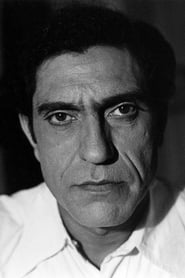
Mola Ram
Main Cast & Characters
Indiana Jones
Played by Harrison Ford
An adventurous archaeologist who must rescue enslaved children and retrieve sacred stones from an evil cult.
Willie Scott
Played by Kate Capshaw
A nightclub singer caught up in Indy's adventure, initially self-centered but grows more courageous.
Short Round
Played by Ke Huy Quan
Indy's resourceful and loyal 11-year-old sidekick who helps save him from the Thuggee curse.
Mola Ram
Played by Amrish Puri
The evil high priest of the Thuggee cult who performs human sacrifices and enslaves children.
Structural Analysis
The Status Quo at 1 minutes (1% through the runtime) establishes Club Obi Wan in Shanghai: Indiana Jones, dressed in a white tuxedo, arrives for a diamond exchange with crime boss Lao Che. Indy is suave, confident, and motivated purely by fortune and glory—a mercenary archaeologist with no higher purpose.. Of particular interest, this early placement immediately immerses viewers in the story world.
The inciting incident occurs at 13 minutes when The pilots bail out of the plane, leaving Indy, Willie, and Short Round trapped on a doomed aircraft over the Himalayas. Their planned escape to anywhere becomes a fight for survival, disrupting any sense of control Indy had.. At 11% through the film, this Disruption aligns precisely with traditional story structure. This beat shifts the emotional landscape, launching the protagonist into the central conflict.
The First Threshold at 27 minutes marks the transition into Act II, occurring at 22% of the runtime. This demonstrates the protagonist's commitment to Indiana Jones makes the active choice to journey to Pankot Palace to investigate. Despite Willie's protests and his own mercenary instincts, he agrees to help the villagers—crossing from self-interest into a mission with moral stakes., moving from reaction to action.
At 53 minutes, the Midpoint arrives at 45% of the runtime—arriving early, accelerating into Act IIb complications. The analysis reveals that this crucial beat Indy discovers the Thuggee temple and witnesses the horrific heart-extraction sacrifice ritual performed by Mola Ram. This false defeat reveals the true scope of evil: child slavery in the mines, human sacrifice, and the pursuit of all five Sankara Stones for world domination. The stakes become cosmic., fundamentally raising what's at risk. The emotional intensity shifts, dividing the narrative into clear before-and-after phases.
The Collapse moment at 80 minutes (67% through) represents the emotional nadir. Here, The "whiff of death" is literal: possessed Indy nearly lowers Willie into the lava pit for sacrifice. He has become the villain, spiritually dead, his identity erased by the Black Sleep of Kali. Everything that made him a hero appears lost., reveals the protagonist at their lowest point. This beat's placement in the final quarter sets up the climactic reversal.
The Second Threshold at 85 minutes initiates the final act resolution at 72% of the runtime. Short Round's love breaks through—"Indy, I love you!" The pain and emotional connection snap Indy out of the Black Sleep. He returns to himself, now fighting not for fortune and glory but to save the children and stop true evil. His purpose has transformed., demonstrating the transformation achieved throughout the journey.
Emotional Journey
Indiana Jones and the Temple of Doom's emotional architecture traces a deliberate progression across 15 carefully calibrated beats.
Narrative Framework
This structural analysis employs a 15-point narrative structure framework that maps key story moments. By mapping Indiana Jones and the Temple of Doom against these established plot points, we can identify how Steven Spielberg utilizes or subverts traditional narrative conventions. The plot point approach reveals not only adherence to structural principles but also creative choices that distinguish Indiana Jones and the Temple of Doom within the action genre.
Steven Spielberg's Structural Approach
Among the 33 Steven Spielberg films analyzed on Arcplot, the average structural score is 5.8, showcasing experimental approaches to narrative form. Indiana Jones and the Temple of Doom represents one of the director's most structurally precise works. For comparative analysis, explore the complete Steven Spielberg filmography.
Comparative Analysis
Additional action films include The Bad Guys, Puss in Boots and Venom: The Last Dance. For more Steven Spielberg analyses, see The Adventures of Tintin, Close Encounters of the Third Kind and War Horse.
Plot Points by Act
Act I
SetupStatus Quo
Club Obi Wan in Shanghai: Indiana Jones, dressed in a white tuxedo, arrives for a diamond exchange with crime boss Lao Che. Indy is suave, confident, and motivated purely by fortune and glory—a mercenary archaeologist with no higher purpose.
Theme
During the club negotiation, the theme of fortune and glory versus spiritual purpose is established. Indy seeks the diamond for personal gain, foreshadowing the central question: will he learn that some things are more important than treasure?
Worldbuilding
The chaotic Shanghai sequence establishes Indy's world: dangerous dealings, narrow escapes, and self-serving motivations. We meet Willie Scott, the nightclub singer, and Short Round, Indy's young sidekick. The trio escapes Lao Che's assassination attempt and boards a cargo plane.
Disruption
The pilots bail out of the plane, leaving Indy, Willie, and Short Round trapped on a doomed aircraft over the Himalayas. Their planned escape to anywhere becomes a fight for survival, disrupting any sense of control Indy had.
Resistance
After surviving via inflatable raft down the mountain, the trio arrives at a devastated Indian village. The shaman explains that an evil force at Pankot Palace has stolen the sacred Sankara Stone and abducted all the village children. Indy is reluctant—there's no profit in helping—but is drawn into the quest.
Act II
ConfrontationFirst Threshold
Indiana Jones makes the active choice to journey to Pankot Palace to investigate. Despite Willie's protests and his own mercenary instincts, he agrees to help the villagers—crossing from self-interest into a mission with moral stakes.
Mirror World
Short Round's unwavering loyalty and moral clarity serve as the Mirror World element. His pure-hearted belief in Indy ("You're my best friend") represents the love and faith that will ultimately save Indy from the Thuggee darkness. Willie's vulnerability also humanizes the adventure.
Premise
The "promise of the premise" delivers adventure spectacle: the exotic dinner at Pankot Palace with grotesque cuisine, the discovery of secret passages, the terrifying bug tunnel, and the spike-ceiling trap room. Classic Indiana Jones adventure setpieces explore this strange new world.
Midpoint
Indy discovers the Thuggee temple and witnesses the horrific heart-extraction sacrifice ritual performed by Mola Ram. This false defeat reveals the true scope of evil: child slavery in the mines, human sacrifice, and the pursuit of all five Sankara Stones for world domination. The stakes become cosmic.
Opposition
The bad guys close in relentlessly: Indy is captured, Willie is prepared for sacrifice, and Short Round is enslaved in the mines. Indy is forced to drink the Blood of Kali, becoming a mindless servant of the Thuggee cult. The opposition controls everything.
Collapse
The "whiff of death" is literal: possessed Indy nearly lowers Willie into the lava pit for sacrifice. He has become the villain, spiritually dead, his identity erased by the Black Sleep of Kali. Everything that made him a hero appears lost.
Crisis
Short Round, escaping the mines, finds the possessed Indy. In desperation, he burns Indy with a torch while crying out to him, trying to break through the trance. The dark night of the soul plays out as Indy struggles between possession and his true self.
Act III
ResolutionSecond Threshold
Short Round's love breaks through—"Indy, I love you!" The pain and emotional connection snap Indy out of the Black Sleep. He returns to himself, now fighting not for fortune and glory but to save the children and stop true evil. His purpose has transformed.
Synthesis
The explosive finale: Indy frees the children, battles the Thuggee, escapes through the mines in a thrilling cart chase, and confronts Mola Ram on the rope bridge. Invoking Shiva's name, Indy causes the stones to burn Mola Ram, who falls to his death. The children and stone are recovered.
Transformation
Indy returns the Sankara Stone to the village, reuniting families with their children. He keeps nothing for himself—no fortune, no glory. His transformation is complete: from mercenary treasure hunter to selfless hero who understands that some things matter more than profit.