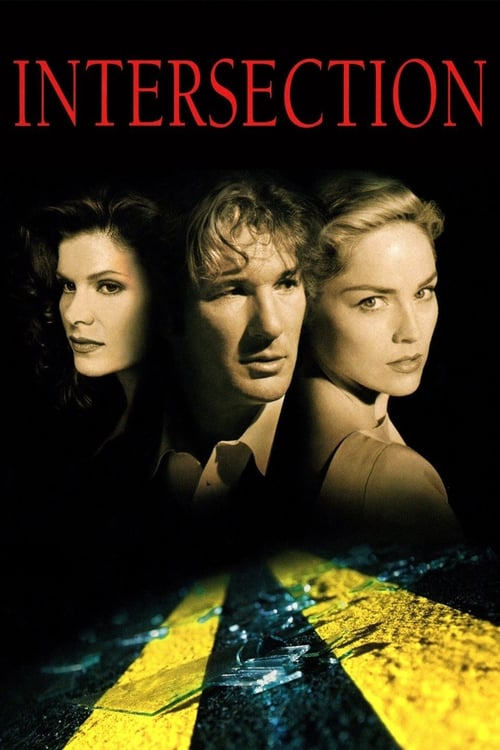
Intersection
During a car accident, Vincent Eastman watches his whole life flash before his eyes, and he doesn't like what he sees. While maintaining the semblance of a marriage with his wife, Sally, Vincent has been carrying on with a mistress, Olivia. She's everything Sally isn't -- warm, passionate, carefree. So why can't he choose between the two, especially when his indecision is taking its toll on his daughter?
The film commercial failure against its moderate budget of $45.0M, earning $21.4M globally (-53% loss). While initial box office returns were modest, the film has gained appreciation for its innovative storytelling within the drama genre.


Plot Structure
Story beats plotted across runtime


Narrative Arc
Emotional journey through the story's key moments
Story Circle
Blueprint 15-beat structure
Arcplot Score Breakdown
Weighted: Precision (70%) + Arc (15%) + Theme (15%)
Intersection (1994) exhibits strategically placed dramatic framework, characteristic of Mark Rydell's storytelling approach. This structural analysis examines how the film's 15-point plot structure maps to proven narrative frameworks across 1 hour and 38 minutes. With an Arcplot score of 7.0, the film balances conventional beats with creative variation.
Characters
Cast & narrative archetypes

Vincent Eastman
Olivia Marshak
Sally Eastman
Meaghan Eastman
Neal
Main Cast & Characters
Vincent Eastman
Played by Richard Gere
A successful architect caught between his wife and mistress, forced to reevaluate his life choices while recovering from a car accident.
Olivia Marshak
Played by Sharon Stone
Vincent's passionate and free-spirited mistress, a journalist who represents excitement and emotional connection.
Sally Eastman
Played by Lolita Davidovich
Vincent's elegant, sophisticated wife who built a life and business partnership with him over many years.
Meaghan Eastman
Played by Jennifer Morrison
Vincent and Sally's young daughter, representing the family life Vincent stands to lose.
Neal
Played by Martin Landau
Vincent's business partner and friend who provides counsel during his personal crisis.
Structural Analysis
The Status Quo at 1 minutes (1% through the runtime) establishes Vincent Eastman, successful architect, drives his Mercedes through rainy streets - establishing his affluent but emotionally disconnected life before the crisis.. Of particular interest, this early placement immediately immerses viewers in the story world.
The inciting incident occurs at 12 minutes when Vincent's car accident on the rainy road - the moment that forces him to confront his life choices as his past flashes before him. His inability to choose has led to catastrophe.. At 13% through the film, this Disruption is delayed, allowing extended setup of the story world. This beat shifts the emotional landscape, launching the protagonist into the central conflict.
The First Threshold at 25 minutes marks the transition into Act II, occurring at 25% of the runtime. This shows the protagonist's commitment to Vincent decides to leave Sally and pursue a life with Olivia, telling Sally he wants a divorce. This active choice propels him into new emotional territory despite the pain it causes., moving from reaction to action.
At 49 minutes, the Midpoint arrives at 50% of the runtime—precisely centered, creating perfect narrative symmetry. Notably, this crucial beat Vincent realizes that his choice isn't bringing the clarity he expected. Both relationships demand something he's not sure he can give. The stakes intensify as both women pressure him for commitment., fundamentally raising what's at risk. The emotional intensity shifts, dividing the narrative into clear before-and-after phases.
The Collapse moment at 74 minutes (75% through) represents the emotional nadir. Here, Vincent's emotional paralysis reaches its breaking point. His attempt to maintain both relationships collapses entirely, leaving him isolated and having hurt everyone he loves. His compartmentalized life becomes unsustainable., illustrates the protagonist at their lowest point. This beat's placement in the final quarter sets up the climactic reversal.
The Second Threshold at 79 minutes initiates the final act resolution at 81% of the runtime. As the car accident unfolds in real-time, Vincent finally achieves clarity about what and who he truly values. The moment of crisis forces the authentic choice he couldn't make before., demonstrating the transformation achieved throughout the journey.
Emotional Journey
Intersection's emotional architecture traces a deliberate progression across 15 carefully calibrated beats.
Narrative Framework
This structural analysis employs a 15-point narrative structure framework that maps key story moments. By mapping Intersection against these established plot points, we can identify how Mark Rydell utilizes or subverts traditional narrative conventions. The plot point approach reveals not only adherence to structural principles but also creative choices that distinguish Intersection within the drama genre.
Mark Rydell's Structural Approach
Among the 6 Mark Rydell films analyzed on Arcplot, the average structural score is 7.2, reflecting strong command of classical structure. Intersection takes a more unconventional approach compared to the director's typical style. For comparative analysis, explore the complete Mark Rydell filmography.
Comparative Analysis
Additional drama films include After Thomas, South Pacific and Dirty Dancing: Havana Nights. For more Mark Rydell analyses, see The Rose, On Golden Pond and For the Boys.
Plot Points by Act
Act I
SetupStatus Quo
Vincent Eastman, successful architect, drives his Mercedes through rainy streets - establishing his affluent but emotionally disconnected life before the crisis.
Theme
Sally asks Vincent about choices and commitment, introducing the film's central question: what do we truly value when forced to choose between security and passion?
Worldbuilding
Establishment of Vincent's world: his marriage to Sally is deteriorating, his passionate affair with Olivia, his architectural career, and his daughter Meaghan. The flashback structure reveals his torn state.
Disruption
Vincent's car accident on the rainy road - the moment that forces him to confront his life choices as his past flashes before him. His inability to choose has led to catastrophe.
Resistance
Through flashbacks, Vincent debates between his two lives: Sally represents stability, partnership, and their shared history; Olivia represents passion, freedom, and authentic connection. He resists making a definitive choice.
Act II
ConfrontationFirst Threshold
Vincent decides to leave Sally and pursue a life with Olivia, telling Sally he wants a divorce. This active choice propels him into new emotional territory despite the pain it causes.
Mirror World
Olivia embodies the thematic counterpoint - spontaneity, emotional honesty, and living in the present. Her relationship with Vincent forces him to examine what authentic love means versus comfortable companionship.
Premise
Vincent explores life with Olivia while managing the fallout with Sally. He experiences the passion he'd been missing but also confronts the consequences of his choices, particularly regarding his daughter.
Midpoint
Vincent realizes that his choice isn't bringing the clarity he expected. Both relationships demand something he's not sure he can give. The stakes intensify as both women pressure him for commitment.
Opposition
Vincent's indecision creates mounting pressure from all sides: Sally wants reconciliation, Olivia demands commitment, his daughter suffers, his work becomes affected. His inability to fully commit to either path leads to escalating conflict.
Collapse
Vincent's emotional paralysis reaches its breaking point. His attempt to maintain both relationships collapses entirely, leaving him isolated and having hurt everyone he loves. His compartmentalized life becomes unsustainable.
Crisis
In the wreckage of his choices, Vincent confronts his deepest fear: that his inability to commit stems from his own emotional cowardice. He processes the pain he's caused and must face who he truly is.
Act III
ResolutionSecond Threshold
As the car accident unfolds in real-time, Vincent finally achieves clarity about what and who he truly values. The moment of crisis forces the authentic choice he couldn't make before.
Synthesis
The final moments of the accident intercut with Vincent's memories, revealing his ultimate realization. He reaches out toward his true choice, but fate intervenes - the consequences of his indecision are irreversible.
Transformation
The final image mirrors the opening but with tragic finality: Vincent's hand reaches toward the photograph, his choice made too late. The cost of indecision is paid in full - transformation through death rather than growth.