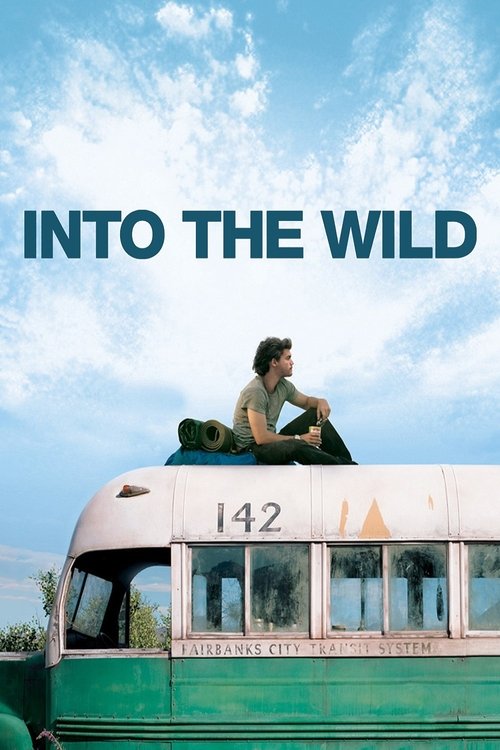
Into the Wild
After graduating from Emory University in 1992, top student and athlete Christopher McCandless abandons his possessions, gives his entire $24,000 savings account to charity, and hitchhikes to Alaska to live in the wilderness.
Despite a respectable budget of $15.0M, Into the Wild became a financial success, earning $56.3M worldwide—a 275% return.
Nominated for 2 Oscars. 23 wins & 106 nominations


Plot Structure
Story beats plotted across runtime


Narrative Arc
Emotional journey through the story's key moments
Story Circle
Blueprint 15-beat structure
Arcplot Score Breakdown
Weighted: Precision (70%) + Arc (15%) + Theme (15%)
Into the Wild (2007) reveals precise story structure, characteristic of Sean Penn's storytelling approach. This structural analysis examines how the film's 15-point plot structure maps to proven narrative frameworks across 2 hours and 28 minutes. With an Arcplot score of 6.9, the film balances conventional beats with creative variation.
Characters
Cast & narrative archetypes

Christopher McCandless / Alexander Supertramp
Ron Franz
Jan Burres
Rainey
Tracy Tatro
Carine McCandless
Walt McCandless
Billie McCandless
Main Cast & Characters
Christopher McCandless / Alexander Supertramp
Played by Emile Hirsch
An idealistic young man who abandons his possessions and savings to travel across America and live in the Alaskan wilderness, seeking truth and meaning beyond material society.
Ron Franz
Played by Hal Holbrook
An elderly former soldier and leatherworker who befriends Chris and forms a deep paternal bond, offering to adopt him as a grandson.
Jan Burres
Played by Catherine Keener
A free-spirited hippie traveling in an RV who befriends Chris multiple times on his journey and treats him with maternal warmth.
Rainey
Played by Brian Dierker
Jan's companion and boyfriend who travels with her and welcomes Chris into their nomadic lifestyle.
Tracy Tatro
Played by Kristen Stewart
A teenage girl who develops a crush on Chris while he stays at the hippie commune in California.
Carine McCandless
Played by Jena Malone
Chris's younger sister and narrator who loved and understood him deeply, providing emotional context throughout the film.
Walt McCandless
Played by William Hurt
Chris's affluent, demanding father whose hypocrisy and volatile relationship with his mother drives Chris away from conventional life.
Billie McCandless
Played by Marcia Gay Harden
Chris's mother who struggles with the toxic marriage and ultimately loses her son to his rejection of their materialistic lifestyle.
Structural Analysis
The Status Quo at 2 minutes (1% through the runtime) establishes Chris McCandless graduates from Emory University, appearing successful and conventional, surrounded by family who represent the materialistic world he secretly rejects.. Structural examination shows that this early placement immediately immerses viewers in the story world.
The inciting incident occurs at 18 minutes when Chris discovers his father's secret: he had another family, living a lie. This revelation shatters Chris's faith in his parents and conventional society.. At 12% through the film, this Disruption aligns precisely with traditional story structure. This beat shifts the emotional landscape, launching the protagonist into the central conflict.
The First Threshold at 36 minutes marks the transition into Act II, occurring at 25% of the runtime. This shows the protagonist's commitment to Chris actively chooses to become "Alexander Supertramp," boarding a train and fully committing to his nomadic journey, leaving civilization behind., moving from reaction to action.
At 75 minutes, the Midpoint arrives at 51% of the runtime—precisely centered, creating perfect narrative symmetry. Significantly, this crucial beat Chris finally reaches Alaska and finds the abandoned bus (the "Magic Bus"), believing he has achieved his goal of ultimate freedom and self-reliance. False victory., fundamentally raising what's at risk. The emotional intensity shifts, dividing the narrative into clear before-and-after phases.
The Collapse moment at 110 minutes (75% through) represents the emotional nadir. Here, Chris eats poisonous seeds (misidentifying wild potato), becomes paralyzed and unable to hunt or gather food. He realizes he is dying. "Happiness only real when shared."., reveals the protagonist at their lowest point. This beat's placement in the final quarter sets up the climactic reversal.
The Second Threshold at 119 minutes initiates the final act resolution at 80% of the runtime. Chris writes "I have had a happy life and thank the Lord. Goodbye and may God bless all." He achieves the spiritual truth he sought, synthesizing solitude with human connection., demonstrating the transformation achieved throughout the journey.
Emotional Journey
Into the Wild's emotional architecture traces a deliberate progression across 15 carefully calibrated beats.
Narrative Framework
This structural analysis employs proven narrative structure principles that track dramatic progression. By mapping Into the Wild against these established plot points, we can identify how Sean Penn utilizes or subverts traditional narrative conventions. The plot point approach reveals not only adherence to structural principles but also creative choices that distinguish Into the Wild within the adventure genre.
Sean Penn's Structural Approach
Among the 2 Sean Penn films analyzed on Arcplot, the average structural score is 6.8, demonstrating varied approaches to story architecture. Into the Wild represents one of the director's most structurally precise works. For comparative analysis, explore the complete Sean Penn filmography.
Comparative Analysis
Additional adventure films include The Black Stallion, The Bad Guys and Puss in Boots. For more Sean Penn analyses, see The Pledge.
Plot Points by Act
Act I
SetupStatus Quo
Chris McCandless graduates from Emory University, appearing successful and conventional, surrounded by family who represent the materialistic world he secretly rejects.
Theme
Voiceover quotes Thoreau: "Rather than love, than money, than fame, give me truth." The film's thematic statement about authenticity versus societal expectations.
Worldbuilding
Establishes Chris's privileged background, dysfunctional family dynamics, parents' materialism, sister Carine as narrator, and Chris's hidden contempt for conventional success.
Disruption
Chris discovers his father's secret: he had another family, living a lie. This revelation shatters Chris's faith in his parents and conventional society.
Resistance
Chris debates internally whether to reject his old life. He donates his $24,000 savings, abandons his car, burns his money, and prepares psychologically for his journey.
Act II
ConfrontationFirst Threshold
Chris actively chooses to become "Alexander Supertramp," boarding a train and fully committing to his nomadic journey, leaving civilization behind.
Mirror World
Chris meets hippie couple Rainey and Jan, who offer warmth and genuine human connection—the first people who represent an alternative to his parents' values.
Premise
Chris experiences the freedom he craved: working in South Dakota, kayaking to Mexico, meeting Wayne Westerberg, living on the margins, testing himself against nature.
Midpoint
Chris finally reaches Alaska and finds the abandoned bus (the "Magic Bus"), believing he has achieved his goal of ultimate freedom and self-reliance. False victory.
Opposition
Alaska's harsh reality closes in. Chris struggles with isolation, dwindling food supplies, failed hunting attempts, and the toll of absolute solitude. Nature becomes antagonist.
Collapse
Chris eats poisonous seeds (misidentifying wild potato), becomes paralyzed and unable to hunt or gather food. He realizes he is dying. "Happiness only real when shared."
Crisis
Chris, starving and weak, reflects on his journey through flashbacks to all the people who loved him. He reconciles with his past and writes final messages.
Act III
ResolutionSecond Threshold
Chris writes "I have had a happy life and thank the Lord. Goodbye and may God bless all." He achieves the spiritual truth he sought, synthesizing solitude with human connection.
Synthesis
Chris's final moments in the bus, imagining his family, accepting death peacefully. His body is discovered. Carine narrates his legacy and the impact of his journey.
Transformation
Chris's parents visit the bus where he died, transformed by grief and understanding. The closing image shows the empty bus in vast Alaskan wilderness—freedom and tragedy united.