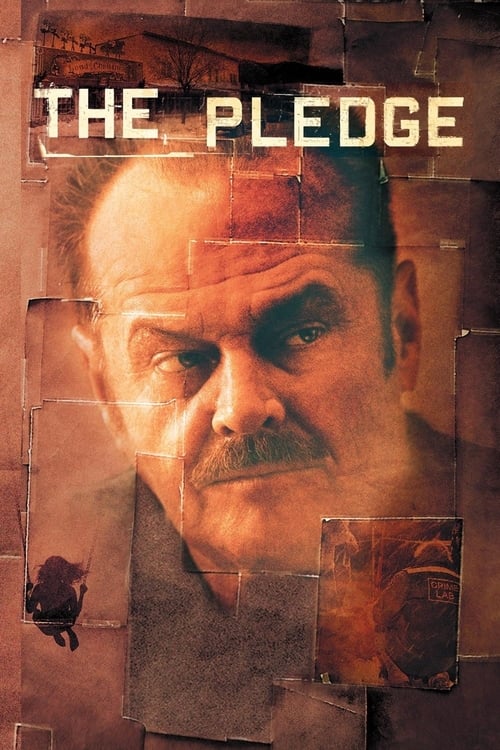
The Pledge
A police chief about to retire pledges to help a woman find her daughter's killer.
The film disappointed at the box office against its moderate budget of $35.0M, earning $29.4M globally (-16% loss).
1 win & 6 nominations


Plot Structure
Story beats plotted across runtime


Narrative Arc
Emotional journey through the story's key moments
Story Circle
Blueprint 15-beat structure
Arcplot Score Breakdown
Weighted: Precision (70%) + Arc (15%) + Theme (15%)
The Pledge (2001) showcases carefully calibrated narrative design, characteristic of Sean Penn's storytelling approach. This structural analysis examines how the film's 15-point plot structure maps to proven narrative frameworks across 2 hours and 4 minutes. With an Arcplot score of 6.8, the film balances conventional beats with creative variation.
Structural Analysis
The Status Quo at 2 minutes (1% through the runtime) establishes Detective Jerry Black's retirement party. He's respected, accomplished, ready to fish and enjoy retirement. A man at the end of a successful career.. Structural examination shows that this early placement immediately immerses viewers in the story world.
The inciting incident occurs at 14 minutes when A young girl is found brutally murdered. Jerry is called to the scene on his last day. The crime is horrific, transforming what should be his exit.. At 11% through the film, this Disruption aligns precisely with traditional story structure. This beat shifts the emotional landscape, launching the protagonist into the central conflict.
The First Threshold at 30 minutes marks the transition into Act II, occurring at 24% of the runtime. This illustrates the protagonist's commitment to Jerry cancels his retirement plans and insists on staying to work the case, despite a suspect being in custody. He chooses obsession over his planned future., moving from reaction to action.
At 62 minutes, the Midpoint arrives at 50% of the runtime—precisely centered, creating perfect narrative symmetry. Structural examination shows that this crucial beat Jerry's relationship with Lori and Chrissy deepens. He moves them to his property, seemingly building a new life. False victory: he appears to be balancing investigation and redemption., fundamentally raising what's at risk. The emotional intensity shifts, dividing the narrative into clear before-and-after phases.
The Collapse moment at 93 minutes (75% through) represents the emotional nadir. Here, Lori discovers Jerry has been using her daughter as bait. She takes Chrissy and leaves him. Jerry's world collapses—he's lost love, family, and possibly his sanity., reveals the protagonist at their lowest point. This beat's placement in the final quarter sets up the climactic reversal.
The Second Threshold at 100 minutes initiates the final act resolution at 81% of the runtime. Jerry realizes the killer isn't coming. His promise will remain unfulfilled. He must face that his obsession has destroyed everything for nothing., demonstrating the transformation achieved throughout the journey.
Emotional Journey
The Pledge's emotional architecture traces a deliberate progression across 15 carefully calibrated beats.
Narrative Framework
This structural analysis employs systematic plot point analysis that identifies crucial turning points. By mapping The Pledge against these established plot points, we can identify how Sean Penn utilizes or subverts traditional narrative conventions. The plot point approach reveals not only adherence to structural principles but also creative choices that distinguish The Pledge within the crime genre.
Sean Penn's Structural Approach
Among the 2 Sean Penn films analyzed on Arcplot, the average structural score is 6.8, demonstrating varied approaches to story architecture. The Pledge takes a more unconventional approach compared to the director's typical style. For comparative analysis, explore the complete Sean Penn filmography.
Comparative Analysis
Additional crime films include The Bad Guys, Rustom and The Whole Ten Yards. For more Sean Penn analyses, see Into the Wild.
Plot Points by Act
Act I
SetupStatus Quo
Detective Jerry Black's retirement party. He's respected, accomplished, ready to fish and enjoy retirement. A man at the end of a successful career.
Theme
A colleague mentions how some cases "stay with you" and the danger of making promises you can't keep. The cost of obsession stated.
Worldbuilding
Establishment of Jerry's world as a detective on his last day, the department dynamics, his methodical approach, and the Nevada landscape he's leaving behind.
Disruption
A young girl is found brutally murdered. Jerry is called to the scene on his last day. The crime is horrific, transforming what should be his exit.
Resistance
Jerry accompanies officers to notify the parents. He witnesses their devastation and impulsively makes a sacred promise to the mother to find the killer, "by his soul's salvation."
Act II
ConfrontationFirst Threshold
Jerry cancels his retirement plans and insists on staying to work the case, despite a suspect being in custody. He chooses obsession over his planned future.
Mirror World
Jerry meets Lori and her daughter Chrissy at a gas station. This relationship will become his connection to normalcy and love, contrasting his dark investigation.
Premise
Jerry conducts his investigation, interviewing witnesses, analyzing the girl's drawings of "the wizard," buying property near the crime scene, and developing his theory of a serial killer.
Midpoint
Jerry's relationship with Lori and Chrissy deepens. He moves them to his property, seemingly building a new life. False victory: he appears to be balancing investigation and redemption.
Opposition
Jerry's obsession intensifies. He uses Chrissy as bait for the killer, setting up surveillance. His lies to Lori multiply. The case consumes him as evidence remains elusive.
Collapse
Lori discovers Jerry has been using her daughter as bait. She takes Chrissy and leaves him. Jerry's world collapses—he's lost love, family, and possibly his sanity.
Crisis
Jerry waits alone at the arranged meeting place for the killer. Hours pass. No one comes. His certainty crumbles as he sits in isolation.
Act III
ResolutionSecond Threshold
Jerry realizes the killer isn't coming. His promise will remain unfulfilled. He must face that his obsession has destroyed everything for nothing.
Synthesis
Time passes. Jerry descends into alcoholism and mental breakdown, unable to let go of the case. We see the full cost of his broken promise and obsession.
Transformation
Jerry is a broken shell at a gas station, muttering incoherently. Transformation complete but tragic: the dedicated detective has become a destroyed man. We learn he was right—the killer died in a car accident that day.