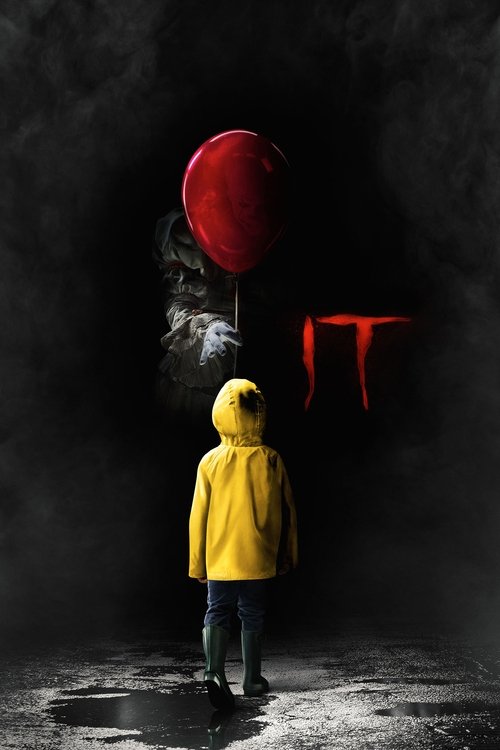
It
In the summer of 1989, a group of bullied kids band together to destroy a shape-shifting monster, which disguises itself as a clown and preys on the children of Derry, their small Maine town.
Despite a mid-range budget of $35.0M, It became a massive hit, earning $704.2M worldwide—a remarkable 1912% return.
12 wins & 49 nominations


Plot Structure
Story beats plotted across runtime


Narrative Arc
Emotional journey through the story's key moments
Story Circle
Blueprint 15-beat structure
Characters
Cast & narrative archetypes

Bill Denbrough

Beverly Marsh

Richie Tozier

Eddie Kaspbrak

Ben Hanscom

Mike Hanlon

Stanley Uris

Pennywise
Main Cast & Characters
Bill Denbrough
Played by Jaeden Martell
Stuttering leader of the Losers Club seeking justice for his murdered brother Georgie.
Beverly Marsh
Played by Sophia Lillis
Resilient girl facing abuse at home who becomes the heart of the Losers Club.
Richie Tozier
Played by Finn Wolfhard
Loud-mouthed jokester who uses humor to mask his fears and insecurities.
Eddie Kaspbrak
Played by Jack Dylan Grazer
Hypochondriac boy controlled by his overprotective mother who finds courage with friends.
Ben Hanscom
Played by Jeremy Ray Taylor
Overweight new kid in town with a talent for research and a crush on Beverly.
Mike Hanlon
Played by Chosen Jacobs
Homeschooled African American boy who researches Derry's dark history.
Stanley Uris
Played by Wyatt Oleff
Logical, anxious Jewish boy who struggles most with accepting the supernatural.
Pennywise
Played by Bill Skarsgård
Ancient shapeshifting entity that feeds on children's fears every 27 years.
Structural Analysis
The Status Quo at 1 minutes (1% through the runtime) establishes Bill Denbrough makes a paper boat for his sick younger brother Georgie on a rainy day in Derry. The brothers share a tender moment that establishes their loving relationship and Bill's creative, caring nature before the horror begins.. Structural examination shows that this early placement immediately immerses viewers in the story world.
The inciting incident occurs at 17 minutes when Ben is attacked by Henry Bowers and his gang, carved with an "H" on his stomach, and flees into the Barrens where he meets Bill, Eddie, and Richie. This violent event forces the outcasts together and marks the beginning of both their friendship and their awareness that something is deeply wrong in Derry.. At 12% through the film, this Disruption aligns precisely with traditional story structure. This beat shifts the emotional landscape, launching the protagonist into the central conflict.
The First Threshold at 33 minutes marks the transition into Act II, occurring at 25% of the runtime. This shows the protagonist's commitment to The Losers Club stands together in Bill's garage, looking at the map of Derry with all the missing children and disappearances marked. Bill declares "I can't let it happen to other kids" and the group makes the active choice to hunt Pennywise rather than hide. They commit to entering the sewers and facing their fears., moving from reaction to action.
At 68 minutes, the Midpoint arrives at 50% of the runtime—precisely centered, creating perfect narrative symmetry. The analysis reveals that this crucial beat The Losers find the well house on Neibolt Street and venture inside together. In the horrifying confrontation, Eddie's arm is broken, and the group barely escapes. This false defeat seems to prove they can't win - they're just kids, and It is too powerful. The stakes become viscerally real with Eddie's injury., fundamentally raising what's at risk. The emotional intensity shifts, dividing the narrative into clear before-and-after phases.
The Collapse moment at 100 minutes (74% through) represents the emotional nadir. Here, The Losers Club completely falls apart in Bill's garage with brutal arguments. "This is what It wants - to divide us!" Richie shouts, but it doesn't matter. The group splits up just as Beverly has been taken. Bill is left alone, having lost both his brother and his friends. The whiff of death: their friendship and hope die., demonstrates the protagonist at their lowest point. This beat's placement in the final quarter sets up the climactic reversal.
The Second Threshold at 109 minutes initiates the final act resolution at 81% of the runtime. The Losers reunite at Bill's house, having each individually chosen to return. "I don't want to die," Stan admits. "But I don't want to be afraid anymore either." They realize their love for Beverly and each other is stronger than their fear. They arm themselves and prepare to enter Pennywise's lair together., demonstrating the transformation achieved throughout the journey.
Emotional Journey
It's emotional architecture traces a deliberate progression across 15 carefully calibrated beats.
Narrative Framework
This structural analysis employs systematic plot point analysis that identifies crucial turning points. By mapping It against these established plot points, we can identify how Andy Muschietti utilizes or subverts traditional narrative conventions. The plot point approach reveals not only adherence to structural principles but also creative choices that distinguish It within the horror genre.
Andy Muschietti's Structural Approach
Among the 4 Andy Muschietti films analyzed on Arcplot, the average structural score is 7.0, reflecting strong command of classical structure. It exemplifies the director's characteristic narrative technique. For comparative analysis, explore the complete Andy Muschietti filmography.
Comparative Analysis
Additional horror films include Thinner, A Nightmare on Elm Street and Mary Reilly. For more Andy Muschietti analyses, see Mama, The Flash and It Chapter Two.
Plot Points by Act
Act I
SetupStatus Quo
Bill Denbrough makes a paper boat for his sick younger brother Georgie on a rainy day in Derry. The brothers share a tender moment that establishes their loving relationship and Bill's creative, caring nature before the horror begins.
Theme
After Georgie's disappearance, Bill's father tells him "Georgie is gone" and to accept it. This statement of facing vs. denying fear becomes the central thematic question: Will the children confront their fears or let them consume them?
Worldbuilding
Introduction to Derry one year later, summer 1989. We meet the future Losers Club members in their separate struggles: Bill still grieving Georgie, Ben being bullied, Beverly dealing with her abusive father, Eddie's overprotective mother, Richie's motormouth defense mechanism, Stan's anxious perfectionism, and Mike's isolation. The town's dark history of missing children is established.
Disruption
Ben is attacked by Henry Bowers and his gang, carved with an "H" on his stomach, and flees into the Barrens where he meets Bill, Eddie, and Richie. This violent event forces the outcasts together and marks the beginning of both their friendship and their awareness that something is deeply wrong in Derry.
Resistance
The Losers Club forms organically as the kids bond over being outsiders. Each member experiences individual encounters with Pennywise that prey on their specific fears. They debate whether what they're seeing is real, research Derry's history of disappearances, and gradually realize they must face this together. Beverly and Mike join the group.
Act II
ConfrontationFirst Threshold
The Losers Club stands together in Bill's garage, looking at the map of Derry with all the missing children and disappearances marked. Bill declares "I can't let it happen to other kids" and the group makes the active choice to hunt Pennywise rather than hide. They commit to entering the sewers and facing their fears.
Mirror World
Beverly and Ben share a moment where she signs his yearbook and he shows her his research on Derry. Their developing connection represents the power of friendship and love to counter fear. Beverly becomes the heart of the group, embodying the courage to face abuse and horror that all the Losers must learn.
Premise
The "promise of the premise" - kids fighting an evil clown. The Losers spend their summer together, growing closer while investigating Pennywise. They explore the sewers, have adventures, experience the joys of friendship, and face increasingly terrifying encounters. Each confrontation teaches them that together they're stronger than when alone.
Midpoint
The Losers find the well house on Neibolt Street and venture inside together. In the horrifying confrontation, Eddie's arm is broken, and the group barely escapes. This false defeat seems to prove they can't win - they're just kids, and It is too powerful. The stakes become viscerally real with Eddie's injury.
Opposition
The group fractures after the Neibolt Street trauma. Arguments erupt about continuing the fight. Beverly is kidnapped by Pennywise. Henry Bowers, manipulated by It, escalates his violence, killing his father and hunting the Losers. Bill's obsession with finding Georgie strains the group. Their individual fears and the town's evil close in from all sides.
Collapse
The Losers Club completely falls apart in Bill's garage with brutal arguments. "This is what It wants - to divide us!" Richie shouts, but it doesn't matter. The group splits up just as Beverly has been taken. Bill is left alone, having lost both his brother and his friends. The whiff of death: their friendship and hope die.
Crisis
Bill sits alone with his despair before realizing Beverly is missing. Each Losers member separately processes their fear and guilt at home. Mike is attacked by Bowers. They each face their dark night: continue running and hiding, or find the courage to reunite and save Beverly despite the terror.
Act III
ResolutionSecond Threshold
The Losers reunite at Bill's house, having each individually chosen to return. "I don't want to die," Stan admits. "But I don't want to be afraid anymore either." They realize their love for Beverly and each other is stronger than their fear. They arm themselves and prepare to enter Pennywise's lair together.
Synthesis
The Losers descend into the sewers for the final confrontation. They rescue Beverly with a kiss (love defeats fear). Together they face Pennywise in his lair, discovering that their belief and unity weakens him. Each overcomes their personal fear. When they stop being afraid and fight together, Pennywise is defeated and retreats. They make a blood oath to return if It ever comes back.
Transformation
The Losers emerge from the water into bright sunlight, laughing and splashing together. Beverly cuts her hair, symbolizing freedom from her father's abuse. The group stands together, transformed from frightened outcasts into brave friends who conquered their fears. They are no longer losers - they are heroes who chose courage over fear.