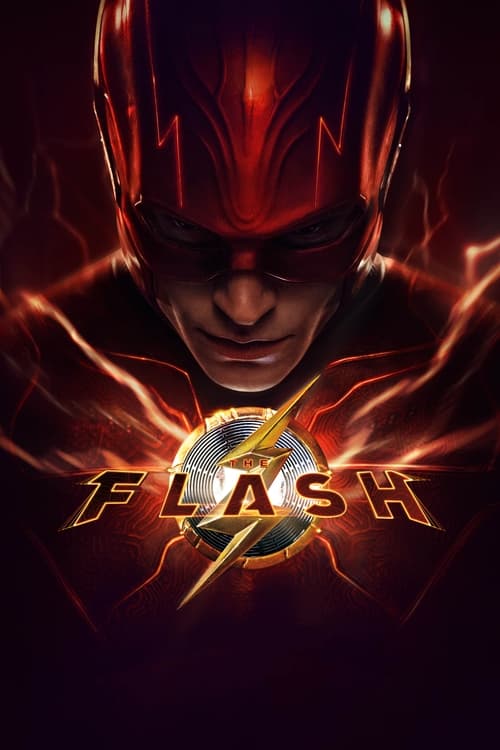
The Flash
When his attempt to save his family inadvertently alters the future, Barry Allen becomes trapped in a reality in which General Zod has returned and there are no Super Heroes to turn to. In order to save the world that he is in and return to the future that he knows, Barry's only hope is to race for his life. But will making the ultimate sacrifice be enough to reset the universe?
Working with a blockbuster budget of $220.0M, the film achieved a steady performer with $271.3M in global revenue (+23% profit margin).
5 wins & 7 nominations


Plot Structure
Story beats plotted across runtime


Narrative Arc
Emotional journey through the story's key moments
Story Circle
Blueprint 15-beat structure
Arcplot Score Breakdown
Weighted: Precision (70%) + Arc (15%) + Theme (15%)
The Flash (2023) exhibits meticulously timed story structure, characteristic of Andy Muschietti's storytelling approach. This structural analysis examines how the film's 15-point plot structure maps to proven narrative frameworks across 2 hours and 24 minutes. With an Arcplot score of 7.4, the film balances conventional beats with creative variation.
Characters
Cast & narrative archetypes

Barry Allen / The Flash
Young Barry Allen
Supergirl / Kara Zor-El
Batman / Bruce Wayne (Keaton)
General Zod
Iris West
Main Cast & Characters
Barry Allen / The Flash
Played by Ezra Miller
A forensic scientist with super-speed who attempts to travel back in time to save his mother, creating an alternate timeline with catastrophic consequences.
Young Barry Allen
Played by Ezra Miller
Barry's younger, more naive counterpart from the altered timeline who lacks experience and has just gained his powers.
Supergirl / Kara Zor-El
Played by Sasha Calle
A Kryptonian survivor imprisoned for decades who becomes a crucial ally in saving the alternate timeline from Zod's invasion.
Batman / Bruce Wayne (Keaton)
Played by Michael Keaton
An older, retired Bruce Wayne from the alternate timeline who reluctantly returns to help Barry fix the catastrophic consequences of time travel.
General Zod
Played by Michael Shannon
A Kryptonian military leader who pursues Supergirl across timelines, threatening Earth with extinction to rebuild his civilization.
Iris West
Played by Kiersey Clemons
A journalist and Barry's colleague who serves as his emotional anchor and potential love interest.
Structural Analysis
The Status Quo at 2 minutes (1% through the runtime) establishes Barry Allen races through Gotham City as The Flash, saving people from a collapsing hospital while Batman pursues criminals. Despite his heroic abilities, Barry is shown as someone still struggling with his mother's murder and father's wrongful imprisonment.. Of particular interest, this early placement immediately immerses viewers in the story world.
The inciting incident occurs at 17 minutes when Barry's appeal for his father's case is denied in court. His last hope for legal justice is crushed, driving him to consider using his powers to change the past. This rejection catalyzes his desperate decision.. At 12% through the film, this Disruption aligns precisely with traditional story structure. This beat shifts the emotional landscape, launching the protagonist into the central conflict.
The First Threshold at 31 minutes marks the transition into Act II, occurring at 21% of the runtime. This indicates the protagonist's commitment to Barry actively chooses to run fast enough to break through time itself, entering the Speed Force chronobowl. He travels back to the day his mother died, making the choice to alter the timeline despite all warnings. This is his point of no return., moving from reaction to action.
At 72 minutes, the Midpoint arrives at 50% of the runtime—precisely centered, creating perfect narrative symmetry. The analysis reveals that this crucial beat The team successfully rescues Supergirl from the Russian facility and she regains her powers. This feels like a victory - they now have a Kryptonian hero who can stop Zod. The mission seems possible, and Barry believes he can have both his mother and save the world., fundamentally raising what's at risk. The emotional intensity shifts, dividing the narrative into clear before-and-after phases.
The Collapse moment at 109 minutes (76% through) represents the emotional nadir. Here, Supergirl and Batman die fighting Zod. The world is doomed. Barry watches helplessly as the heroes fall and Zod's ships destroy everything. Young Barry is powerless. Barry realizes his selfish choice to save his mother has doomed this entire universe. This is the "whiff of death" - literal deaths and the death of Barry's hope., shows the protagonist at their lowest point. This beat's placement in the final quarter sets up the climactic reversal.
The Second Threshold at 118 minutes initiates the final act resolution at 82% of the runtime. Future Barry - the Dark Flash who has been trying to stop him - reveals himself. Barry realizes that he has become the villain, the one causing the destruction by refusing to let go. He understands that the only way to save everything is to undo his change: to let his mother die. He must accept loss to save the multiverse., demonstrating the transformation achieved throughout the journey.
Emotional Journey
The Flash's emotional architecture traces a deliberate progression across 15 carefully calibrated beats.
Narrative Framework
This structural analysis employs proven narrative structure principles that track dramatic progression. By mapping The Flash against these established plot points, we can identify how Andy Muschietti utilizes or subverts traditional narrative conventions. The plot point approach reveals not only adherence to structural principles but also creative choices that distinguish The Flash within the action genre.
Andy Muschietti's Structural Approach
Among the 4 Andy Muschietti films analyzed on Arcplot, the average structural score is 7.0, reflecting strong command of classical structure. The Flash represents one of the director's most structurally precise works. For comparative analysis, explore the complete Andy Muschietti filmography.
Comparative Analysis
Additional action films include The Bad Guys, Puss in Boots and Venom: The Last Dance. For more Andy Muschietti analyses, see Mama, It Chapter Two and It.
Plot Points by Act
Act I
SetupStatus Quo
Barry Allen races through Gotham City as The Flash, saving people from a collapsing hospital while Batman pursues criminals. Despite his heroic abilities, Barry is shown as someone still struggling with his mother's murder and father's wrongful imprisonment.
Theme
Bruce Wayne tells Barry: "You can't save the world alone." The theme of accepting help, accepting loss, and understanding that not everything can be fixed is established through their conversation about Barry's obsession with his past.
Worldbuilding
Barry's dual life as forensic scientist and superhero is established. His relationship with Iris West, his father Henry Allen in prison for his mother Nora's murder, and his desperate attempts to prove his father's innocence. Barry discovers new evidence that could exonerate his father.
Disruption
Barry's appeal for his father's case is denied in court. His last hope for legal justice is crushed, driving him to consider using his powers to change the past. This rejection catalyzes his desperate decision.
Resistance
Barry debates the morality and consequences of time travel with Bruce Wayne, who warns him against it. Barry wrestles with the temptation but ultimately decides to go back in time to save his mother by placing a can of tomatoes in her shopping cart, preventing her from returning to the store where she was murdered.
Act II
ConfrontationFirst Threshold
Barry actively chooses to run fast enough to break through time itself, entering the Speed Force chronobowl. He travels back to the day his mother died, making the choice to alter the timeline despite all warnings. This is his point of no return.
Mirror World
Barry encounters his younger 2013 self - an immature, irresponsible version who represents who Barry was before tragedy shaped him. This younger Barry becomes the thematic mirror, showing Barry what he's lost and what he's gained through his pain.
Premise
Barry enjoys his new reality where his mother is alive and both parents are together. He trains his younger self to become a speedster. They discover this timeline has no Justice League and no Superman. When General Zod arrives to invade Earth, they must find this world's heroes, discovering an older Batman (Michael Keaton) and a young Kryptonian (Supergirl/Kara Zor-El) held in captivity.
Midpoint
The team successfully rescues Supergirl from the Russian facility and she regains her powers. This feels like a victory - they now have a Kryptonian hero who can stop Zod. The mission seems possible, and Barry believes he can have both his mother and save the world.
Opposition
The battle against Zod's forces intensifies. Despite their efforts, Supergirl and both Flashes struggle against Zod's superior forces. Young Barry loses his powers after sustaining injuries. The team discovers that without Superman, this world has no hope of stopping the Kryptonian invasion. Batman and Supergirl are killed in battle.
Collapse
Supergirl and Batman die fighting Zod. The world is doomed. Barry watches helplessly as the heroes fall and Zod's ships destroy everything. Young Barry is powerless. Barry realizes his selfish choice to save his mother has doomed this entire universe. This is the "whiff of death" - literal deaths and the death of Barry's hope.
Crisis
In despair, Barry uses the Speed Force to repeatedly reset the day, trying hundreds or thousands of times to save everyone. Each attempt fails. He becomes obsessed, trapped in a cycle of trying to fix what cannot be fixed. He cannot accept that some things cannot be saved, mirroring his inability to accept his mother's death.
Act III
ResolutionSecond Threshold
Future Barry - the Dark Flash who has been trying to stop him - reveals himself. Barry realizes that he has become the villain, the one causing the destruction by refusing to let go. He understands that the only way to save everything is to undo his change: to let his mother die. He must accept loss to save the multiverse.
Synthesis
Barry fights his dark future self and returns to the moment he saved his mother. He undoes his change, allowing events to unfold as they originally did. In a final moment of grace, he moves the can of tomatoes to the top shelf so his father can see it and remember the moment, providing the evidence needed to eventually free him. Barry says goodbye to his mother and returns to his timeline.
Transformation
Barry visits his father in prison. His father has been exonerated due to the evidence Barry subtly left in the timeline. Barry is at peace, having learned to accept loss and let go of his need to control the past. He smiles, transformed from someone obsessed with fixing what was broken to someone who can accept and move forward. The image mirrors the opening but shows emotional growth.