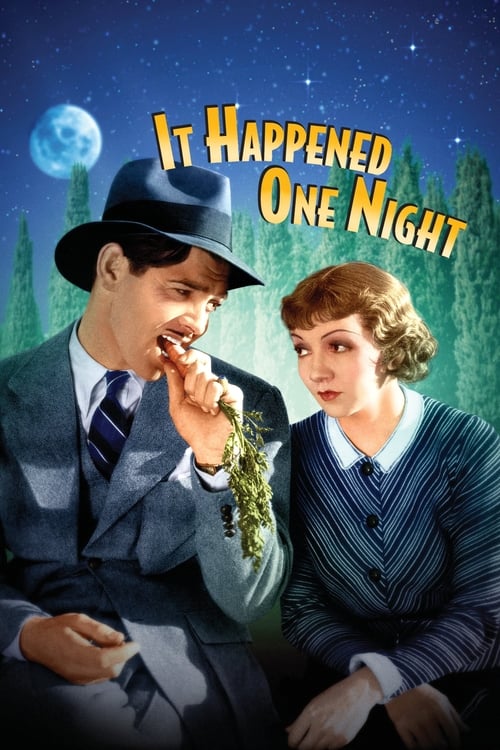
It Happened One Night
A runaway heiress makes a deal with the rogue reporter trailing her but the mismatched pair end up stuck with each other when their bus leaves them behind.
Despite its microbudget of $325K, It Happened One Night became a runaway success, earning $4.5M worldwide—a remarkable 1285% return. The film's distinctive approach engaged audiences, proving that strong storytelling can transcend budget limitations.
5 Oscars. 14 wins & 2 nominations


Plot Structure
Story beats plotted across runtime


Narrative Arc
Emotional journey through the story's key moments
Story Circle
Blueprint 15-beat structure
Arcplot Score Breakdown
Weighted: Precision (70%) + Arc (15%) + Theme (15%)
It Happened One Night (1934) showcases precise story structure, characteristic of Frank Capra's storytelling approach. This structural analysis examines how the film's 15-point plot structure maps to proven narrative frameworks across 1 hour and 45 minutes. With an Arcplot score of 7.4, the film balances conventional beats with creative variation.
Characters
Cast & narrative archetypes

Ellie Andrews
Peter Warne
Alexander Andrews
Main Cast & Characters
Ellie Andrews
Played by Claudette Colbert
A spoiled heiress who runs away from her controlling father to marry a fortune hunter, learning about real life and love on a cross-country bus trip.
Peter Warne
Played by Clark Gable
A cynical, recently-fired newspaper reporter who recognizes Ellie and sees her as his ticket back to journalism success, but falls in love with her instead.
Alexander Andrews
Played by Walter Connolly
Ellie's wealthy, domineering father who disapproves of her marriage and sends detectives to find her when she runs away.
Structural Analysis
The Status Quo at 1 minutes (1% through the runtime) establishes Ellie Andrews trapped on her father's yacht, having married King Westley against his wishes. She is a spoiled heiress living in a gilded cage, defined by wealth and rebellion without purpose.. Notably, this early placement immediately immerses viewers in the story world.
The inciting incident occurs at 12 minutes when Ellie jumps ship and escapes her father's yacht, diving into the water to flee to New York and her new husband. She enters the "real world" for the first time, with no resources or street smarts.. At 12% through the film, this Disruption aligns precisely with traditional story structure. This beat shifts the emotional landscape, launching the protagonist into the central conflict.
The First Threshold at 26 minutes marks the transition into Act II, occurring at 24% of the runtime. This demonstrates the protagonist's commitment to Peter makes a deal with Ellie: he'll help her get to New York undetected in exchange for an exclusive story. They become reluctant travel partners, entering Act 2 as a team., moving from reaction to action.
At 53 minutes, the Midpoint arrives at 50% of the runtime—precisely centered, creating perfect narrative symmetry. Structural examination shows that this crucial beat False victory: Ellie successfully hitchhikes using her leg, they find a ride, and share an intimate moment singing on the road. They're falling in love but neither can admit it. Stakes raise as Peter realizes he's in too deep emotionally., fundamentally raising what's at risk. The emotional intensity shifts, dividing the narrative into clear before-and-after phases.
The Collapse moment at 78 minutes (74% through) represents the emotional nadir. Here, Peter leaves to get money to marry Ellie, but she wakes alone and assumes he's abandoned her or betrayed her for the reward. She calls her father in despair. The relationship "dies" - trust is broken., indicates the protagonist at their lowest point. This beat's placement in the final quarter sets up the climactic reversal.
The Second Threshold at 83 minutes initiates the final act resolution at 79% of the runtime. Ellie confesses to her father that she loves Peter, not Westley. Her father, moved by genuine love, reveals Peter only asked for expense money, proving his character. Ellie gains clarity about what truly matters., demonstrating the transformation achieved throughout the journey.
Emotional Journey
It Happened One Night's emotional architecture traces a deliberate progression across 15 carefully calibrated beats.
Narrative Framework
This structural analysis employs proven narrative structure principles that track dramatic progression. By mapping It Happened One Night against these established plot points, we can identify how Frank Capra utilizes or subverts traditional narrative conventions. The plot point approach reveals not only adherence to structural principles but also creative choices that distinguish It Happened One Night within the comedy genre.
Frank Capra's Structural Approach
Among the 6 Frank Capra films analyzed on Arcplot, the average structural score is 6.1, demonstrating varied approaches to story architecture. It Happened One Night represents one of the director's most structurally precise works. For comparative analysis, explore the complete Frank Capra filmography.
Comparative Analysis
Additional comedy films include The Bad Guys, Ella Enchanted and The Evening Star. For more Frank Capra analyses, see Pocketful of Miracles, It's A Wonderful Life and You Can't Take It with You.
Plot Points by Act
Act I
SetupStatus Quo
Ellie Andrews trapped on her father's yacht, having married King Westley against his wishes. She is a spoiled heiress living in a gilded cage, defined by wealth and rebellion without purpose.
Theme
Alexander Andrews tells Ellie: "You've been spoiled all your life. You've had your own way about everything." The theme of class barriers and what truly matters in life versus superficial wealth is established.
Worldbuilding
Establishing the worlds of both protagonists: Ellie's privileged life and impulsive marriage; Peter Warne as a drunk, recently-fired newspaper reporter. Two people from different classes about to collide.
Disruption
Ellie jumps ship and escapes her father's yacht, diving into the water to flee to New York and her new husband. She enters the "real world" for the first time, with no resources or street smarts.
Resistance
Ellie struggles on the bus to Miami, nearly getting robbed and kicked off. Peter recognizes her from newspaper photos and debates whether to help her or sell her story for the reward money.
Act II
ConfrontationFirst Threshold
Peter makes a deal with Ellie: he'll help her get to New York undetected in exchange for an exclusive story. They become reluctant travel partners, entering Act 2 as a team.
Mirror World
The "Walls of Jericho" scene - Peter hangs a blanket between their beds in the motel room. This establishes their relationship subplot and the thematic barrier between their worlds that must eventually fall.
Premise
The "fun and games" of the road trip: hitchhiking lessons, the famous carrot-eating scene, Ellie learning about "real people," Peter teaching her practical skills. Romance blossoms beneath their bickering.
Midpoint
False victory: Ellie successfully hitchhikes using her leg, they find a ride, and share an intimate moment singing on the road. They're falling in love but neither can admit it. Stakes raise as Peter realizes he's in too deep emotionally.
Opposition
Complications mount: they run out of money, nearly get caught by detectives, have to share closer quarters. Peter's editor and Ellie's father both close in. Their class differences and her engagement become more painful obstacles.
Collapse
Peter leaves to get money to marry Ellie, but she wakes alone and assumes he's abandoned her or betrayed her for the reward. She calls her father in despair. The relationship "dies" - trust is broken.
Crisis
Peter returns to find Ellie gone, heartbroken. Ellie returns to her father, emotionally shut down, agreeing to go through with the wedding to Westley. Both are in despair, separated by misunderstanding and class barriers.
Act III
ResolutionSecond Threshold
Ellie confesses to her father that she loves Peter, not Westley. Her father, moved by genuine love, reveals Peter only asked for expense money, proving his character. Ellie gains clarity about what truly matters.
Synthesis
The wedding finale: Ellie walks down the aisle but her father helps her escape. She runs from wealth and social obligation to Peter. Andrews pays Peter his expenses and gives his blessing, uniting the classes.
Transformation
The "Walls of Jericho" trumpet scene: Peter and Ellie reunited in a motel, the blanket wall tumbles down. The heiress and the commoner together as equals, all barriers fallen, having found genuine love over superficial wealth.