
It's A Wonderful Life
George Bailey has spent his entire life giving of himself to the people of Bedford Falls. He has always longed to travel but never had the opportunity in order to prevent rich skinflint Mr. Potter from taking over the entire town. All that prevents him from doing so is George's modest building and loan company, which was founded by his generous father. But on Christmas Eve, George's Uncle Billy loses the business's $8,000 while intending to deposit it in the bank. Potter finds the misplaced money and hides it from Billy. When the bank examiner discovers the shortage later that night, George realizes that he will be held responsible and sent to jail and the company will collapse, finally allowing Potter to take over the town. Thinking of his wife, their young children, and others he loves will be better off with him dead, he contemplates suicide. But the prayers of his loved ones result in a gentle angel named Clarence coming to earth to help George, with the promise of earning his wings. He shows George what things would have been like if he had never been born.
Despite its modest budget of $3.2M, It's A Wonderful Life became a commercial success, earning $9.6M worldwide—a 203% return. The film's compelling narrative attracted moviegoers, showing that strong storytelling can transcend budget limitations.
Nominated for 5 Oscars. 11 wins & 7 nominations


Plot Structure
Story beats plotted across runtime


Narrative Arc
Emotional journey through the story's key moments
Story Circle
Blueprint 15-beat structure
Arcplot Score Breakdown
Weighted: Precision (70%) + Arc (15%) + Theme (15%)
It's A Wonderful Life (1946) showcases meticulously timed story structure, characteristic of Frank Capra's storytelling approach. This structural analysis examines how the film's 15-point plot structure maps to proven narrative frameworks across 2 hours and 10 minutes. With an Arcplot score of 3.9, the film takes an unconventional approach to traditional narrative frameworks.
Characters
Cast & narrative archetypes
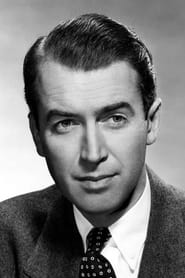
George Bailey

Mary Hatch Bailey
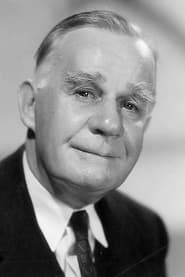
Clarence Odbody
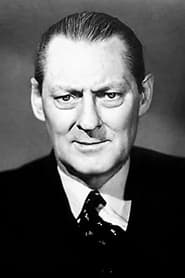
Mr. Potter
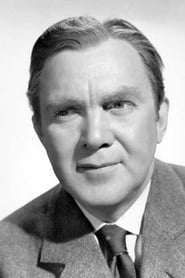
Uncle Billy Bailey
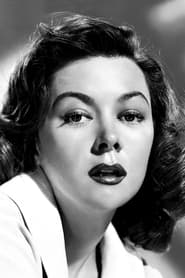
Violet Bick

Ernie Bishop
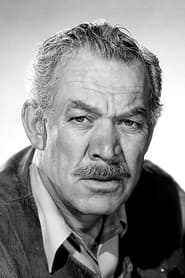
Bert
Main Cast & Characters
George Bailey
Played by James Stewart
A compassionate Building & Loan manager who sacrifices his dreams to help his community, contemplating suicide on Christmas Eve until shown his life's true value.
Mary Hatch Bailey
Played by Donna Reed
George's devoted wife who transforms the old Granville house into a loving home and stands by him through every crisis.
Clarence Odbody
Played by Henry Travers
An angel second-class trying to earn his wings by saving George Bailey and showing him the value of his existence.
Mr. Potter
Played by Lionel Barrymore
A ruthless, greedy banker who controls most of Bedford Falls and seeks to destroy the Bailey Building & Loan.
Uncle Billy Bailey
Played by Thomas Mitchell
George's absent-minded uncle who works at the Building & Loan and accidentally loses the crucial $8,000 deposit.
Violet Bick
Played by Gloria Grahame
A flirtatious local woman who represents the exciting life George might have had, struggles with reputation in small-town Bedford Falls.
Ernie Bishop
Played by Frank Faylen
George's loyal friend and the town taxi driver who supports him through thick and thin.
Bert
Played by Ward Bond
The friendly town cop and George's childhood friend who patrols Bedford Falls.
Structural Analysis
The Status Quo at 2 minutes (1% through the runtime) establishes Prayers for George Bailey rise from Bedford Falls on Christmas Eve. The heavens discuss his desperate situation, establishing George as beloved but in crisis before flashing back to show his life story.. Structural examination shows that this early placement immediately immerses viewers in the story world.
The inciting incident occurs at 14 minutes when George's father suffers a fatal stroke just as George prepares to leave for college and world travel. The dreams he's held his entire life are suddenly threatened by family obligation and the future of the Building & Loan.. At 11% through the film, this Disruption aligns precisely with traditional story structure. This beat shifts the emotional landscape, launching the protagonist into the central conflict.
The First Threshold at 29 minutes marks the transition into Act II, occurring at 22% of the runtime. This illustrates the protagonist's commitment to George marries Mary, choosing love and Bedford Falls over escape. On their wedding day, a bank run threatens the Building & Loan - George uses their honeymoon money to save the institution, fully committing to the life of service rather than adventure., moving from reaction to action.
At 59 minutes, the Midpoint arrives at 45% of the runtime—arriving early, accelerating into Act IIb complications. The analysis reveals that this crucial beat Harry Bailey returns a war hero. At the celebration, George realizes Harry's success highlights everything he gave up. His resentment surfaces - "I'm worth more dead than alive" - spoken casually but foreshadowing the collapse. The contrast raises stakes., fundamentally raising what's at risk. The emotional intensity shifts, dividing the narrative into clear before-and-after phases.
The Collapse moment at 88 minutes (68% through) represents the emotional nadir. Here, George stands on the snowy bridge, preparing to jump. "I wish I'd never been born!" he cries out. This is his lowest point - financial ruin, facing prison, feeling worthless, ready to die. The whiff of death is literal., indicates the protagonist at their lowest point. This beat's placement in the final quarter sets up the climactic reversal.
The Second Threshold at 94 minutes initiates the final act resolution at 72% of the runtime. George begs to live again. "I want to live! Please God, let me live again!" He synthesizes the lesson - his life wasn't small or worthless; every act of goodness created irreplaceable value. He chooses life and accountability over escape., demonstrating the transformation achieved throughout the journey.
Emotional Journey
It's A Wonderful Life's emotional architecture traces a deliberate progression across 15 carefully calibrated beats.
Narrative Framework
This structural analysis employs proven narrative structure principles that track dramatic progression. By mapping It's A Wonderful Life against these established plot points, we can identify how Frank Capra utilizes or subverts traditional narrative conventions. The plot point approach reveals not only adherence to structural principles but also creative choices that distinguish It's A Wonderful Life within the drama genre.
Frank Capra's Structural Approach
Among the 6 Frank Capra films analyzed on Arcplot, the average structural score is 6.1, demonstrating varied approaches to story architecture. It's A Wonderful Life takes a more unconventional approach compared to the director's typical style. For comparative analysis, explore the complete Frank Capra filmography.
Comparative Analysis
Additional drama films include After Thomas, South Pacific and Dirty Dancing: Havana Nights. For more Frank Capra analyses, see Pocketful of Miracles, You Can't Take It with You and Arsenic and Old Lace.
Plot Points by Act
Act I
SetupStatus Quo
Prayers for George Bailey rise from Bedford Falls on Christmas Eve. The heavens discuss his desperate situation, establishing George as beloved but in crisis before flashing back to show his life story.
Theme
Young George at the pharmacy: Mr. Gower, grieving his son's death, nearly poisons a prescription. George stops him, showing early evidence of the theme - one person's life touches many others, and small acts of goodness ripple outward.
Worldbuilding
George's youth in Bedford Falls: saving his brother Harry from drowning (losing hearing in one ear), preventing Mr. Gower's fatal mistake, working at the Building & Loan, dreaming of travel and adventure. Establishes his selflessness, dreams, and the town he loves.
Disruption
George's father suffers a fatal stroke just as George prepares to leave for college and world travel. The dreams he's held his entire life are suddenly threatened by family obligation and the future of the Building & Loan.
Resistance
George debates his future: he steps up to run the Building & Loan temporarily, sends Harry to college in his place, watches his dreams deferred. Years pass - he courts Mary, Harry returns married with a job offer elsewhere, forcing George's hand again.
Act II
ConfrontationFirst Threshold
George marries Mary, choosing love and Bedford Falls over escape. On their wedding day, a bank run threatens the Building & Loan - George uses their honeymoon money to save the institution, fully committing to the life of service rather than adventure.
Mirror World
Mary transforms the abandoned Granville house into their honeymoon suite with a rotisserie chicken dinner and travel posters. Their relationship becomes the thematic mirror - love, home, and community as the true adventure George was seeking.
Premise
George builds Bailey Park, creates homes for working families, raises four children with Mary, battles Potter's greed. This is the promise of the premise - watching George's ordinary wonderful life unfold, his dreams traded for community impact.
Midpoint
Harry Bailey returns a war hero. At the celebration, George realizes Harry's success highlights everything he gave up. His resentment surfaces - "I'm worth more dead than alive" - spoken casually but foreshadowing the collapse. The contrast raises stakes.
Opposition
Uncle Billy loses $8,000 to Potter on Christmas Eve. George frantically searches for the money, begs Potter for help (who refuses and threatens arrest), unravels emotionally, lashes out at his family, crashes his car, and contemplates suicide.
Collapse
George stands on the snowy bridge, preparing to jump. "I wish I'd never been born!" he cries out. This is his lowest point - financial ruin, facing prison, feeling worthless, ready to die. The whiff of death is literal.
Crisis
Clarence the angel grants George's wish, showing him Pottersville - Bedford Falls without George Bailey. George witnesses the darkness: Harry dead, soldiers lost, Mr. Gower imprisoned, Mary a spinster, the town corrupted by Potter's greed.
Act III
ResolutionSecond Threshold
George begs to live again. "I want to live! Please God, let me live again!" He synthesizes the lesson - his life wasn't small or worthless; every act of goodness created irreplaceable value. He chooses life and accountability over escape.
Synthesis
George races home joyfully, greets the bank examiner and arrest, then watches the town pour in with donations. Everyone he helped returns the gift - his community saves him. The synthesis of his lifetime of service pays off in collective love.
Transformation
George, surrounded by family and friends, reads Clarence's inscription: "No man is a failure who has friends." The transformation complete - he sees his wealth isn't in travel or money, but in the richest life imaginable. "Attaboy, Clarence!" A bell rings.