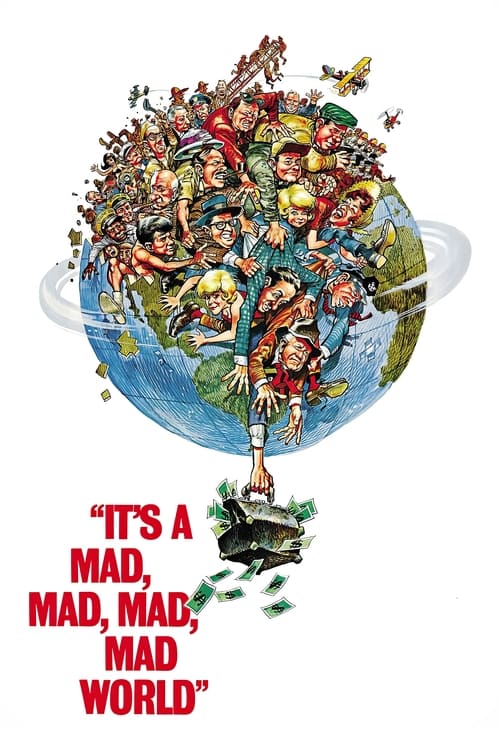
It's a Mad, Mad, Mad, Mad World
A group of strangers come across a man dying after a car crash who proceeds to tell them about the $350,000 he buried in California. What follows is the madcap adventures of those strangers as each attempts to claim the prize for himself.
Despite its small-scale budget of $9.4M, It's a Mad, Mad, Mad, Mad World became a massive hit, earning $60.0M worldwide—a remarkable 538% return. The film's unique voice engaged audiences, showing that strong storytelling can transcend budget limitations.
1 Oscar. 3 wins & 10 nominations


Plot Structure
Story beats plotted across runtime


Narrative Arc
Emotional journey through the story's key moments
Story Circle
Blueprint 15-beat structure
Arcplot Score Breakdown
Weighted: Precision (70%) + Arc (15%) + Theme (15%)
It's a Mad, Mad, Mad, Mad World (1963) exhibits precise story structure, characteristic of Stanley Kramer's storytelling approach. This structural analysis examines how the film's 15-point plot structure maps to proven narrative frameworks across 3 hours and 17 minutes. With an Arcplot score of 6.9, the film balances conventional beats with creative variation.
Characters
Cast & narrative archetypes
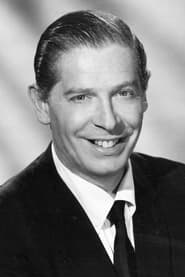
J. Russell Finch
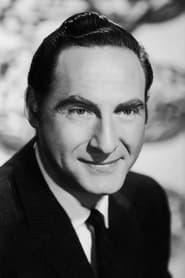
Melville Crump
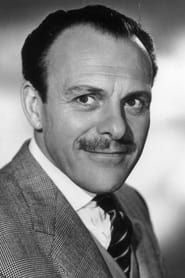
J. Algernon Hawthorne

Mrs. Marcus
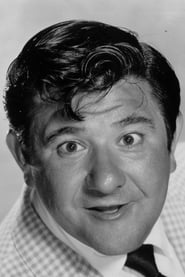
Benjy Benjamin
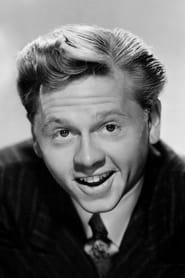
Ding Bell
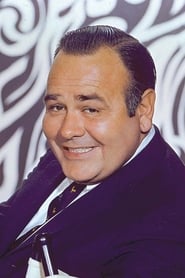
Lennie Pike
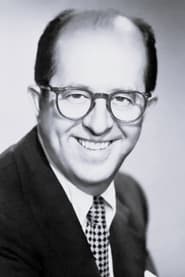
Otto Meyer
Captain T.G. Culpeper

Monica Crump
Emmeline Finch
Main Cast & Characters
J. Russell Finch
Played by Milton Berle
A henpecked furniture business owner who gets caught up in the treasure hunt with his overbearing mother-in-law in tow.
Melville Crump
Played by Sid Caesar
A dentist with a nagging wife who becomes increasingly unhinged as the race for money intensifies.
J. Algernon Hawthorne
Played by Terry-Thomas
A pompous British army officer who tries to maintain dignity while pursuing the stolen money.
Mrs. Marcus
Played by Ethel Merman
J. Russell Finch's domineering, caustic mother-in-law who constantly berates her son-in-law.
Benjy Benjamin
Played by Buddy Hackett
A loud, excitable driver prone to physical comedy and constant bickering with his partner.
Ding Bell
Played by Mickey Rooney
Benjy's truck-driving partner, equally excitable and prone to chaotic misadventures.
Lennie Pike
Played by Jonathan Winters
A good-natured but dim-witted furniture mover with surprising physical strength.
Otto Meyer
Played by Phil Silvers
An aggressive, self-centered entrepreneur willing to double-cross anyone for the money.
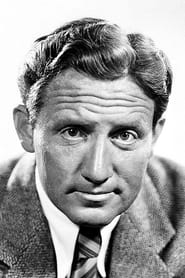
Captain T.G. Culpeper
Played by Spencer Tracy
A police captain who has secretly been planning his own heist but gets drawn into the chaos.
Monica Crump
Played by Edie Adams
Melville's perpetually complaining wife who nags him throughout their misadventures.
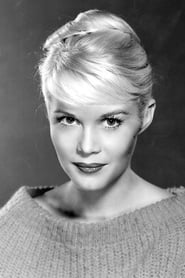
Emmeline Finch
Played by Dorothy Provine
Russell's timid, pregnant wife caught between her husband and domineering mother.
Structural Analysis
The Status Quo at 2 minutes (1% through the runtime) establishes Various motorists traveling separately on a California highway, each living their ordinary lives - businessmen, families, and strangers with no connection to one another.. The analysis reveals that this early placement immediately immerses viewers in the story world.
The inciting incident occurs at 24 minutes when Smiler Grogan dies after revealing the location of $350,000 buried under a big W in Santa Rosita State Park. The strangers realize they've been given a treasure map.. At 12% through the film, this Disruption aligns precisely with traditional story structure. This beat shifts the emotional landscape, launching the protagonist into the central conflict.
The First Threshold at 49 minutes marks the transition into Act II, occurring at 25% of the runtime. This demonstrates the protagonist's commitment to The fragile partnership dissolves completely and each group makes the active choice to race independently to Santa Rosita, launching an all-out competition. The mad race officially begins., moving from reaction to action.
At 99 minutes, the Midpoint arrives at 50% of the runtime—precisely centered, creating perfect narrative symmetry. Notably, this crucial beat The groups realize they're being tracked by police. Captain Buckley succumbs to greed himself, deciding to let them find the money so he can take it. The stakes raise as more people join the hunt and trust evaporates., fundamentally raising what's at risk. The emotional intensity shifts, dividing the narrative into clear before-and-after phases.
The Collapse moment at 148 minutes (75% through) represents the emotional nadir. Here, After finally locating the money, the groups battle over it and the money literally falls away from them during a chaotic confrontation. They've destroyed everything in their pursuit and face arrest with nothing to show for it., shows the protagonist at their lowest point. This beat's placement in the final quarter sets up the climactic reversal.
The Second Threshold at 158 minutes initiates the final act resolution at 80% of the runtime. Captain Buckley, hanging precariously from a fire escape after his own greed literally causes his downfall, becomes the physical embodiment of what greed leads to. The others see clearly what they've become., demonstrating the transformation achieved throughout the journey.
Emotional Journey
It's a Mad, Mad, Mad, Mad World's emotional architecture traces a deliberate progression across 15 carefully calibrated beats.
Narrative Framework
This structural analysis employs systematic plot point analysis that identifies crucial turning points. By mapping It's a Mad, Mad, Mad, Mad World against these established plot points, we can identify how Stanley Kramer utilizes or subverts traditional narrative conventions. The plot point approach reveals not only adherence to structural principles but also creative choices that distinguish It's a Mad, Mad, Mad, Mad World within the action genre.
Stanley Kramer's Structural Approach
Among the 3 Stanley Kramer films analyzed on Arcplot, the average structural score is 5.9, showcasing experimental approaches to narrative form. It's a Mad, Mad, Mad, Mad World represents one of the director's most structurally precise works. For comparative analysis, explore the complete Stanley Kramer filmography.
Comparative Analysis
Additional action films include The Bad Guys, Puss in Boots and Venom: The Last Dance. For more Stanley Kramer analyses, see Guess Who's Coming to Dinner, Judgment at Nuremberg.
Plot Points by Act
Act I
SetupStatus Quo
Various motorists traveling separately on a California highway, each living their ordinary lives - businessmen, families, and strangers with no connection to one another.
Theme
Smiler Grogan, dying after his car accident, tells the gathered motorists about the buried money and laughs about how people will do anything for money, establishing the film's theme about greed and human nature.
Worldbuilding
Introduction of the main ensemble cast: the Crumps, Benjy and Dingy Bell, Melville Crump, Otto Meyer, and Lennie Pike. Each character's personality, relationships, and desperate need for money is established.
Disruption
Smiler Grogan dies after revealing the location of $350,000 buried under a big W in Santa Rosita State Park. The strangers realize they've been given a treasure map.
Resistance
The motorists debate whether to work together or compete. They briefly agree to share equally, but suspicion and greed cause the agreement to break down. Each group debates their strategy.
Act II
ConfrontationFirst Threshold
The fragile partnership dissolves completely and each group makes the active choice to race independently to Santa Rosita, launching an all-out competition. The mad race officially begins.
Mirror World
Captain Buckley and the police begin tracking the groups' increasingly destructive progress, representing law and order as a counterpoint to the chaos of greed. Buckley becomes tempted by the money himself.
Premise
The promise of the premise: escalating slapstick chaos as each group tries to outmaneuver the others. Plane crashes, car destruction, physical comedy, and increasingly desperate schemes to reach Santa Rosita first.
Midpoint
The groups realize they're being tracked by police. Captain Buckley succumbs to greed himself, deciding to let them find the money so he can take it. The stakes raise as more people join the hunt and trust evaporates.
Opposition
Pressure intensifies as groups sabotage each other, destruction escalates, and everyone becomes more desperate and ruthless. The comedy becomes darker as greed corrupts everyone, including the police.
Collapse
After finally locating the money, the groups battle over it and the money literally falls away from them during a chaotic confrontation. They've destroyed everything in their pursuit and face arrest with nothing to show for it.
Crisis
The characters process their losses - injuries, destroyed relationships, legal consequences - as they're hospitalized and arrested. The true cost of their greed becomes clear.
Act III
ResolutionSecond Threshold
Captain Buckley, hanging precariously from a fire escape after his own greed literally causes his downfall, becomes the physical embodiment of what greed leads to. The others see clearly what they've become.
Synthesis
The finale where all the characters, now hospitalized together, begin laughing at the absurdity of their quest. They've lost everything but gained perspective. Their shared laughter represents acceptance and release from greed.
Transformation
All the characters, bandaged and broken in adjacent hospital beds, laugh uncontrollably together - transformed from suspicious strangers into a community united by their shared folly. Greed has been replaced by human connection.