
Judgment at Nuremberg
It has been three years since the most important Nazi leaders had already been tried. This trial is about 4 judges who used their offices to conduct Nazi sterilization and cleansing policies. Retired American judge, Dan Haywood has a daunting task ahead of him. The Cold War is heating up and no one wants any more trials as Germany, and Allied governments, want to forget the past. But is that the right thing to do is the question that the tribunal must decide.
Despite its tight budget of $3.0M, Judgment at Nuremberg became a box office success, earning $10.0M worldwide—a 233% return. The film's unconventional structure connected with viewers, demonstrating that strong storytelling can transcend budget limitations.
2 Oscars. 16 wins & 26 nominations


Plot Structure
Story beats plotted across runtime


Narrative Arc
Emotional journey through the story's key moments
Story Circle
Blueprint 15-beat structure
Arcplot Score Breakdown
Weighted: Precision (70%) + Arc (15%) + Theme (15%)
Judgment at Nuremberg (1961) showcases meticulously timed narrative design, characteristic of Stanley Kramer's storytelling approach. This structural analysis examines how the film's 15-point plot structure maps to proven narrative frameworks across 2 hours and 59 minutes. With an Arcplot score of 3.3, the film takes an unconventional approach to traditional narrative frameworks.
Characters
Cast & narrative archetypes
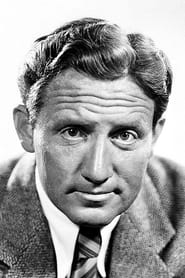
Judge Dan Haywood
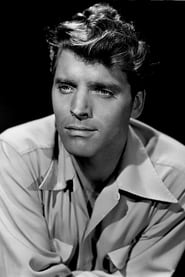
Ernst Janning
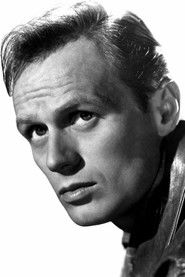
Colonel Tad Lawson
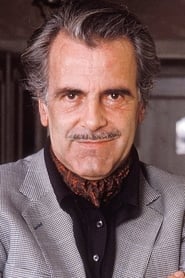
Hans Rolfe
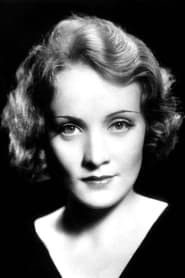
Madame Bertholt

Irene Hoffman

Rudolph Petersen
Main Cast & Characters
Judge Dan Haywood
Played by Spencer Tracy
American jurist presiding over the Nazi judges trial, must reconcile justice with political pressure and human complexity.
Ernst Janning
Played by Burt Lancaster
Distinguished German jurist on trial, wrestles with guilt and complicity in Nazi atrocities.
Colonel Tad Lawson
Played by Richard Widmark
Chief prosecutor determined to hold Nazi judges accountable despite Cold War pressures.
Hans Rolfe
Played by Maximilian Schell
Defense attorney who argues the judges were products of circumstance and political necessity.
Madame Bertholt
Played by Marlene Dietrich
German widow whose home hosts Judge Haywood, represents dignified denial of German complicity.
Irene Hoffman
Played by Judy Garland
German woman who testifies about being sterilized under Nazi racial laws, victim seeking recognition.
Rudolph Petersen
Played by Montgomery Clift
Intellectually disabled man testifying about wrongful conviction and castration under Nazi law.
Structural Analysis
The Status Quo at 2 minutes (1% through the runtime) establishes Judge Dan Haywood arrives in post-war Nuremberg, observing the bombed-out ruins of the city. The desolate landscape establishes a world still reeling from the horrors of war, setting the tone for the moral reckoning to come.. Of particular interest, this early placement immediately immerses viewers in the story world.
The inciting incident occurs at 19 minutes when The trial begins with the reading of charges against four German judges accused of crimes against humanity. Haywood must now confront the uncomfortable reality of judging those who themselves were judges operating within a legal system.. At 11% through the film, this Disruption aligns precisely with traditional story structure. This beat shifts the emotional landscape, launching the protagonist into the central conflict.
The First Threshold at 40 minutes marks the transition into Act II, occurring at 22% of the runtime. This reveals the protagonist's commitment to Ernst Janning, the most respected of the defendants, breaks his silence to declare he will speak only to address his own actions, rejecting his attorney's strategy. Haywood commits to pursuing truth regardless of political consequences., moving from reaction to action.
At 81 minutes, the Midpoint arrives at 45% of the runtime—arriving early, accelerating into Act IIb complications. Of particular interest, this crucial beat Rolfe brutally cross-examines Irene Hoffman about her relationship with Feldenstein, humiliating her to prove legal procedures were followed. Haywood is visibly disturbed—the defense's technical arguments cannot erase the moral horror of what was done., fundamentally raising what's at risk. The emotional intensity shifts, dividing the narrative into clear before-and-after phases.
The Collapse moment at 121 minutes (67% through) represents the emotional nadir. Here, Janning finally confesses, condemning himself and his complicity. He admits he knew the sterilization and racial laws were wrong but convinced himself they were necessary. His confession exposes the terrible human capacity for self-deception in service of evil., demonstrates the protagonist at their lowest point. This beat's placement in the final quarter sets up the climactic reversal.
The Second Threshold at 129 minutes initiates the final act resolution at 72% of the runtime. After witnessing the concentration camp evidence and reflecting on Janning's confession, Haywood reaches clarity: the moment a judge knowingly condemned an innocent person, the crime against humanity began. Legal technicalities cannot excuse moral failure., demonstrating the transformation achieved throughout the journey.
Emotional Journey
Judgment at Nuremberg's emotional architecture traces a deliberate progression across 15 carefully calibrated beats.
Narrative Framework
This structural analysis employs a 15-point narrative structure framework that maps key story moments. By mapping Judgment at Nuremberg against these established plot points, we can identify how Stanley Kramer utilizes or subverts traditional narrative conventions. The plot point approach reveals not only adherence to structural principles but also creative choices that distinguish Judgment at Nuremberg within the drama genre.
Stanley Kramer's Structural Approach
Among the 3 Stanley Kramer films analyzed on Arcplot, the average structural score is 5.9, showcasing experimental approaches to narrative form. Judgment at Nuremberg takes a more unconventional approach compared to the director's typical style. For comparative analysis, explore the complete Stanley Kramer filmography.
Comparative Analysis
Additional drama films include After Thomas, South Pacific and Dirty Dancing: Havana Nights. For more Stanley Kramer analyses, see It's a Mad, Mad, Mad, Mad World, Guess Who's Coming to Dinner.
Plot Points by Act
Act I
SetupStatus Quo
Judge Dan Haywood arrives in post-war Nuremberg, observing the bombed-out ruins of the city. The desolate landscape establishes a world still reeling from the horrors of war, setting the tone for the moral reckoning to come.
Theme
Colonel Lawson tells Haywood that this trial is about "the responsibility of those who knew what was going on and did nothing." The theme of individual moral responsibility versus following orders is explicitly stated.
Worldbuilding
Haywood settles into Nuremberg, meeting the tribunal staff and touring the city. He encounters German civilians including housekeeper Mrs. Bertholt and observes the complex mixture of denial, shame, and defiance among the occupied population.
Disruption
The trial begins with the reading of charges against four German judges accused of crimes against humanity. Haywood must now confront the uncomfortable reality of judging those who themselves were judges operating within a legal system.
Resistance
Prosecutor Colonel Tad Lawson presents the case while defense attorney Hans Rolfe counters with arguments about legal precedent and contextual morality. Haywood debates internally about how to judge men who operated within their own legal system.
Act II
ConfrontationFirst Threshold
Ernst Janning, the most respected of the defendants, breaks his silence to declare he will speak only to address his own actions, rejecting his attorney's strategy. Haywood commits to pursuing truth regardless of political consequences.
Mirror World
Haywood begins spending time with Madame Bertholt, widow of a German general executed for war crimes. Their relationship offers a humanizing perspective on German suffering and complexity, challenging Haywood's black-and-white assumptions.
Premise
The trial unfolds with devastating testimony. The Feldenstein case reveals how Judge Janning sentenced a Jewish man to death for alleged racial defilement. Irene Hoffman's harrowing testimony exposes the human cost of judicial complicity in Nazi policies.
Midpoint
Rolfe brutally cross-examines Irene Hoffman about her relationship with Feldenstein, humiliating her to prove legal procedures were followed. Haywood is visibly disturbed—the defense's technical arguments cannot erase the moral horror of what was done.
Opposition
Cold War politics intensify pressure on Haywood. The Berlin blockade threatens, and American officials urge leniency to secure German cooperation against the Soviets. Rolfe argues all nations share guilt, showing footage of Allied bombings and American eugenics programs.
Collapse
Janning finally confesses, condemning himself and his complicity. He admits he knew the sterilization and racial laws were wrong but convinced himself they were necessary. His confession exposes the terrible human capacity for self-deception in service of evil.
Crisis
Haywood wrestles with the verdict as political pressure mounts. Other tribunal judges lean toward leniency. He visits a concentration camp memorial, confronting the ultimate consequences of the judicial complicity he must now judge.
Act III
ResolutionSecond Threshold
After witnessing the concentration camp evidence and reflecting on Janning's confession, Haywood reaches clarity: the moment a judge knowingly condemned an innocent person, the crime against humanity began. Legal technicalities cannot excuse moral failure.
Synthesis
Haywood delivers his verdict: guilty on all counts, with life sentences. He acknowledges Janning's previous honor but declares that those who knew better bear the greatest responsibility. The verdict prioritizes justice over political expediency.
Transformation
Janning asks to see Haywood and says he never knew it would come to mass murder. Haywood replies: "It came to that the first time you sentenced a man you knew to be innocent." A title card reveals all defendants were freed within years—justice was served, then undone.