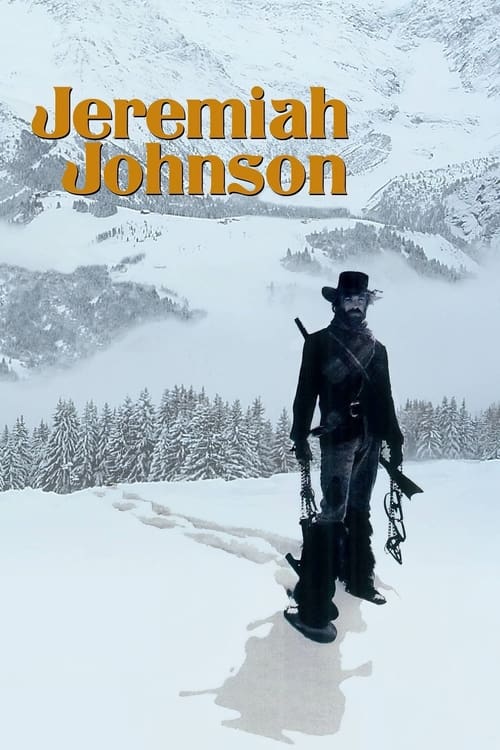
Jeremiah Johnson
A mountain man who wishes to live the life of a hermit becomes the unwilling object of a long vendetta by Indians when he proves to be the match of their warriors in one-to-one combat on the early frontier.
Despite its small-scale budget of $3.1M, Jeremiah Johnson became a runaway success, earning $44.7M worldwide—a remarkable 1342% return. The film's bold vision engaged audiences, proving that strong storytelling can transcend budget limitations.
1 win & 1 nomination


Plot Structure
Story beats plotted across runtime


Narrative Arc
Emotional journey through the story's key moments
Story Circle
Blueprint 15-beat structure
Arcplot Score Breakdown
Weighted: Precision (70%) + Arc (15%) + Theme (15%)
Jeremiah Johnson (1972) exhibits meticulously timed dramatic framework, characteristic of Sydney Pollack's storytelling approach. This structural analysis examines how the film's 15-point plot structure maps to proven narrative frameworks across 1 hour and 48 minutes. With an Arcplot score of 6.9, the film balances conventional beats with creative variation.
Characters
Cast & narrative archetypes

Jeremiah Johnson
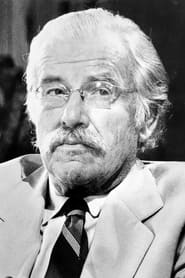
Bear Claw Chris Lapp

Swan
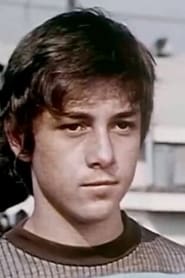
Caleb

Del Gue

Paints His Shirt Red
Main Cast & Characters
Jeremiah Johnson
Played by Robert Redford
A Mexican-American War veteran who becomes a mountain man, seeking solitude in the Rocky Mountains and unwittingly triggering a blood feud with the Crow tribe.
Bear Claw Chris Lapp
Played by Will Geer
A grizzled, experienced mountain man who becomes Jeremiah's mentor, teaching him survival skills and the ways of the wilderness.
Swan
Played by Delle Bolton
A Flathead Indian woman given to Jeremiah as a wife, who becomes his loyal companion and mother to his adopted son.
Caleb
Played by Josh Albee
A young boy rescued by Jeremiah from a Blackfoot raiding party, who becomes his adopted son and part of his mountain family.
Del Gue
Played by Stefan Gierasch
A mountain man who Jeremiah finds buried up to his neck by Blackfoot warriors, becoming an occasional companion and source of comic relief.
Paints His Shirt Red
Played by Joaquin Martinez
A Crow warrior chief who becomes Jeremiah's relentless nemesis after Jeremiah desecrates Crow burial grounds.
Structural Analysis
The Status Quo at 2 minutes (2% through the runtime) establishes Jeremiah Johnson rides alone into the Rocky Mountains, leaving civilization behind with nothing but his horse, rifle, and determination to become a mountain man.. Notably, this early placement immediately immerses viewers in the story world.
The inciting incident occurs at 14 minutes when Jeremiah is attacked by a Blackfoot warrior. The brutal fight shows him that survival requires not just wilderness skills but the ability to defend himself against human threats.. At 13% through the film, this Disruption is delayed, allowing extended setup of the story world. This beat shifts the emotional landscape, launching the protagonist into the central conflict.
The First Threshold at 27 minutes marks the transition into Act II, occurring at 25% of the runtime. This indicates the protagonist's commitment to Jeremiah parts ways with Bear Claw, choosing to venture out on his own as a fully capable mountain man. He actively embraces his new identity and the solitary life he sought., moving from reaction to action.
At 54 minutes, the Midpoint arrives at 50% of the runtime—precisely centered, creating perfect narrative symmetry. The analysis reveals that this crucial beat Jeremiah agrees to guide a cavalry rescue party through sacred Crow burial grounds. Though he protests, he chooses duty over wisdom, violating the sacred land to save lives. This decision will cost him everything., fundamentally raising what's at risk. The emotional intensity shifts, dividing the narrative into clear before-and-after phases.
The Collapse moment at 81 minutes (75% through) represents the emotional nadir. Here, Jeremiah buries his family. He finds Swan and Caleb's bodies in their destroyed cabin. Everything he built, all the connection he found despite his desire for isolation, dies. His dream of peaceful mountain life is shattered., illustrates the protagonist at their lowest point. This beat's placement in the final quarter sets up the climactic reversal.
The Second Threshold at 87 minutes initiates the final act resolution at 81% of the runtime. A young Crow warrior approaches Jeremiah but does not attack. In this moment, Jeremiah understands that the war may end—not through victory, but through mutual recognition of what has been lost on both sides., demonstrating the transformation achieved throughout the journey.
Emotional Journey
Jeremiah Johnson's emotional architecture traces a deliberate progression across 15 carefully calibrated beats.
Narrative Framework
This structural analysis employs proven narrative structure principles that track dramatic progression. By mapping Jeremiah Johnson against these established plot points, we can identify how Sydney Pollack utilizes or subverts traditional narrative conventions. The plot point approach reveals not only adherence to structural principles but also creative choices that distinguish Jeremiah Johnson within the adventure genre.
Sydney Pollack's Structural Approach
Among the 13 Sydney Pollack films analyzed on Arcplot, the average structural score is 7.0, reflecting strong command of classical structure. Jeremiah Johnson takes a more unconventional approach compared to the director's typical style. For comparative analysis, explore the complete Sydney Pollack filmography.
Comparative Analysis
Additional adventure films include The Black Stallion, The Bad Guys and Puss in Boots. For more Sydney Pollack analyses, see Bobby Deerfield, Sabrina and Three Days of the Condor.
Plot Points by Act
Act I
SetupStatus Quo
Jeremiah Johnson rides alone into the Rocky Mountains, leaving civilization behind with nothing but his horse, rifle, and determination to become a mountain man.
Theme
Bear Claw Chris Lapp warns Jeremiah: "You can't chew your way through winter in these mountains." The theme of man versus nature and the impossibility of complete isolation is introduced.
Worldbuilding
Jeremiah struggles to survive his first days in the mountains: his inexperience nearly kills him as he fails to hunt properly, build shelter, or understand the harsh realities of mountain life. He finds a frozen dead man and takes his gear.
Disruption
Jeremiah is attacked by a Blackfoot warrior. The brutal fight shows him that survival requires not just wilderness skills but the ability to defend himself against human threats.
Resistance
Bear Claw Chris Lapp takes Jeremiah under his wing, teaching him how to hunt, trap, survive winter, and understand the ways of the mountains. Jeremiah learns the skills he needs to become a true mountain man.
Act II
ConfrontationFirst Threshold
Jeremiah parts ways with Bear Claw, choosing to venture out on his own as a fully capable mountain man. He actively embraces his new identity and the solitary life he sought.
Mirror World
Jeremiah reluctantly acquires a family: he rescues Caleb, a traumatized boy, and is given Swan, a Flathead woman, as a wife. This relationship challenges his desire for complete isolation.
Premise
Jeremiah experiences unexpected happiness as a family man in the wilderness. Swan and Caleb bring warmth to his isolated existence. He builds a home, hunts successfully, and finds peace he didn't know he wanted.
Midpoint
Jeremiah agrees to guide a cavalry rescue party through sacred Crow burial grounds. Though he protests, he chooses duty over wisdom, violating the sacred land to save lives. This decision will cost him everything.
Opposition
The Crow begin their revenge. Jeremiah returns home to find his wife and adopted son murdered. The Crow launch an endless campaign of assassination attempts. Jeremiah becomes a ghost, killing Crow warriors one by one in grim, joyless survival.
Collapse
Jeremiah buries his family. He finds Swan and Caleb's bodies in their destroyed cabin. Everything he built, all the connection he found despite his desire for isolation, dies. His dream of peaceful mountain life is shattered.
Crisis
Jeremiah becomes a hollow man, mechanically surviving as the Crow continue their attacks. He is legendary, feared, but completely alone. He encounters Del Gue again, who tells him he's become a figure of myth—but at what cost?
Act III
ResolutionSecond Threshold
A young Crow warrior approaches Jeremiah but does not attack. In this moment, Jeremiah understands that the war may end—not through victory, but through mutual recognition of what has been lost on both sides.
Synthesis
Jeremiah continues living in the mountains, no longer fighting, no longer hiding. He has become part of the landscape, legendary but no longer seeking either complete isolation or human connection. He simply exists.
Transformation
A Crow warrior raises his hand in a gesture of respect across a snowy distance. Jeremiah returns the salute. The war is over. He remains in the mountains—transformed from a man fleeing civilization into a legend who belongs neither to civilization nor wilderness, but to himself.